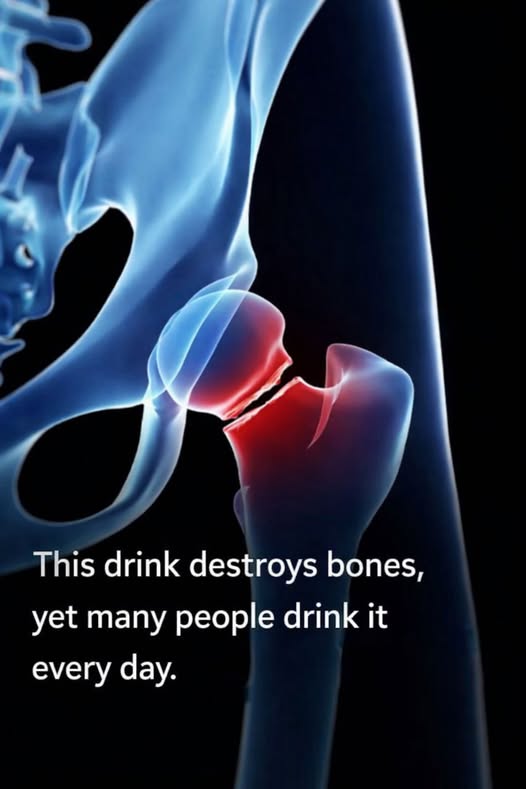
Strong bones are built throughout life, not just during childhood. While most people know that calcium and vitamin D are important for bone health, fewer realize that certain beverages can work against the body’s ability to maintain strong bones. Bone tissue is constantly being broken down and rebuilt. When this balance is disrupted—whether through poor nutrition, aging, hormonal changes, or lifestyle habits—bones can gradually become weaker and more susceptible to fractures. Some drinks may contribute to this process by reducing calcium absorption, increasing calcium loss, or replacing more nutritious beverages in the diet. Here are five types of drinks that health experts commonly recommend limiting if you’re concerned about bone health.
1. Sugary Soft Drinks (Especially Cola Beverages)
Soft drinks, particularly cola-based sodas, are among the beverages most frequently linked to poorer bone health.
Why they may be harmful
Cola drinks contain phosphoric acid, which gives them their characteristic tangy flavor. While phosphorus itself is an essential mineral, consistently consuming large amounts relative to calcium may contribute to an imbalance that is unfavorable for bone maintenance.
Researchers have also observed that people who drink a lot of soda often consume less milk and other calcium-rich beverages. In this case, the problem isn’t just what’s in the soda—it’s what the soda replaces.
Additional concerns
- High sugar content may contribute to chronic inflammation.
- Excessive soda consumption is associated with poorer overall diet quality.
- Some studies have found lower bone mineral density among frequent cola drinkers, especially women.
Better alternatives
- Water
- Sparkling water without added sugar
- Milk or fortified plant-based milk
- Unsweetened herbal tea
2. Excessive Alcohol
Moderate alcohol consumption may not significantly affect bone health for most adults, but heavy or chronic drinking can be damaging.
Why it may be harmful
Excessive alcohol intake can:
- Interfere with calcium balance
- Reduce vitamin D production and activation
- Affect hormones involved in bone formation
- Decrease the activity of bone-building cells called osteoblasts
Over time, these effects can lead to reduced bone density and an increased risk of fractures.
Long-term consequences
People with alcohol use disorder often have a substantially higher risk of:
- Osteoporosis
- Falls and injuries
- Slow fracture healing
Better alternatives
- Water with fruit slices
- Non-alcoholic beverages
- Low-sugar mocktails
- Unsweetened sparkling drinks
3. Highly Sweetened Coffee Drinks
Coffee itself is not necessarily bad for bones. In fact, moderate coffee consumption can be part of a healthy lifestyle. The concern arises when caffeine intake becomes excessive or when coffee drinks are loaded with sugar and calories.
Why they may be harmful
Large amounts of caffeine can slightly increase calcium excretion through urine. While this effect is generally small, very high caffeine consumption combined with inadequate calcium intake may become problematic.
Popular coffee beverages may contain:
- Large amounts of added sugar
- Sweet syrups
- Whipped cream
- Hundreds of extra calories
These drinks can indirectly contribute to nutritional imbalances if consumed frequently.
How much caffeine is too much?
Most healthy adults can safely consume moderate amounts of caffeine, but drinking several large coffees or energy drinks daily may increase concern for bone health, particularly in older adults and postmenopausal women.
Better alternatives
- Regular coffee in moderation
- Coffee with milk
- Reduced-sugar lattes
- Green tea
4. Energy Drinks
Energy drinks combine high levels of caffeine with sugar and various stimulants.
Why they may be harmful
Potential concerns include:
- Very high caffeine content
- Increased calcium loss through urine
- High sugar levels
- Displacement of healthier beverages
Some energy drinks contain caffeine levels equivalent to multiple cups of coffee in a single serving.
Special concern for teenagers
Adolescence is one of the most important periods for building peak bone mass. Excessive consumption of energy drinks among teenagers may interfere with healthy dietary habits and calcium intake during a critical stage of bone development.
Better alternatives
- Water
- Low-sugar electrolyte drinks when needed
- Milk
- Natural fruit-infused water
5. Sugar-Sweetened Fruit Drinks and Processed Beverages
Many beverages marketed as fruit drinks contain surprisingly little actual fruit juice and significant amounts of added sugar.
Why they may be harmful
Frequent consumption of sugary drinks has been associated with:
- Lower intake of nutrient-dense foods
- Higher risk of obesity
- Increased inflammation
- Reduced consumption of calcium-rich beverages
Although 100% fruit juice can provide vitamins and minerals, heavily sweetened fruit cocktails and fruit-flavored drinks often deliver large amounts of sugar without substantial nutritional benefits.
Watch out for
- Fruit punches
- Sweetened iced teas
- Fruit cocktails
- Flavored drinks with added sugars
Better alternatives
- Whole fruits
- Water
- Unsweetened tea
- 100% fruit juice in moderation
What Drinks Help Build Strong Bones?
Limiting potentially harmful beverages is only part of the equation. Experts generally recommend including beverages that support bone health, such as:
- Milk
- Fortified soy milk
- Fortified almond milk
- Kefir
- Yogurt-based drinks
- Calcium-fortified beverages
- Water
These options can help provide calcium, vitamin D, protein, and other nutrients that support healthy bones.
Key Takeaways
The drinks most commonly associated with negative effects on bone health are:
- Sugary soft drinks, especially colas
- Excessive alcohol
- Highly sweetened or excessively caffeinated coffee drinks
- Energy drinks
- Sugar-sweetened fruit beverages
It’s important to remember that no single drink will automatically cause osteoporosis or weak bones. Bone health depends on the overall pattern of nutrition, physical activity, age, genetics, hormone levels, and lifestyle habits. A diet rich in calcium and vitamin D, combined with regular weight-bearing exercise and moderate beverage choices, provides the strongest foundation for lifelong bone health.
Note: This article is for educational purposes and is not a substitute for personalized medical advice. Individuals with osteoporosis, kidney disease, or other health conditions should consult a healthcare professional regarding their specific dietary needs.