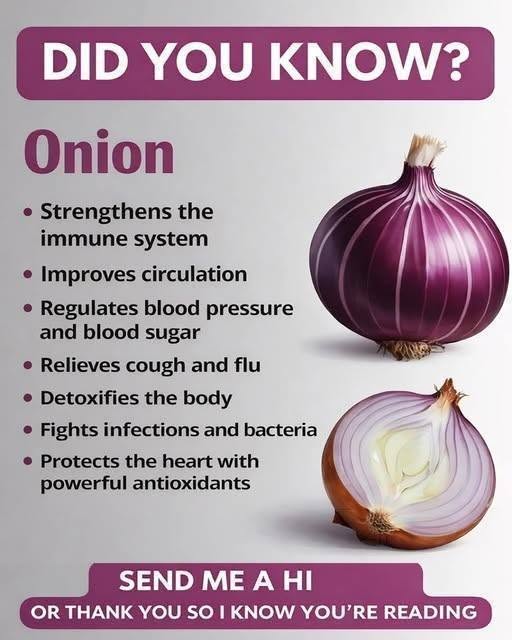
Discover the powerful health benefits of onions, including their antioxidants, vitamins, and plant compounds that may support heart health, immunity, digestion, and overall wellness. Learn how to include onions in your daily diet safely and effectively.
Introduction
Onions are one of the most widely used vegetables in kitchens around the world. Beyond their strong flavor and culinary versatility, onions are packed with nutrients and plant compounds that have been studied for their potential health benefits.
From supporting heart health to boosting immunity, onions can be a valuable part of a balanced diet. While they are not a cure for any disease, regular consumption may contribute to overall wellness.
Nutritional Profile of Onions
Onions are low in calories but rich in beneficial nutrients, including:
- Vitamin C
- B vitamins (B6, folate)
- Potassium
- Manganese
- Antioxidants
- Dietary fiber
They also contain powerful plant compounds such as quercetin and sulfur compounds, which are responsible for many of their health-promoting properties.
Key Health Benefits of Onions
1. Rich in Antioxidants
Onions are high in antioxidants, especially quercetin, which may help protect the body from oxidative stress caused by free radicals.
2. May Support Heart Health
The compounds in onions may help:
- Support healthy blood pressure levels
- Improve circulation
- Reduce oxidative stress in blood vessels
These effects contribute to overall cardiovascular wellness when combined with a healthy lifestyle.
3. Supports Immune Function
Onions contain vitamin C and other compounds that may help support the immune system and the body’s natural defense mechanisms.
4. May Help with Blood Sugar Balance
Some studies suggest that onion compounds may help support healthy blood sugar levels, especially when included as part of a balanced diet.
5. Supports Digestive Health
Onions contain prebiotic fibers, which help feed beneficial gut bacteria. A healthy gut microbiome plays a key role in digestion and overall health.
6. Anti-Inflammatory Properties
Certain compounds in onions may help the body manage inflammation, which is linked to many chronic health conditions.
7. May Support Bone Health
Some research suggests that onion compounds may help support bone density and overall skeletal strength, especially in aging populations.
How to Include Onions in Your Diet
Raw Onions
- Add to salads
- Use in sandwiches or wraps
- Mix into salsas
Cooked Onions
- Sauté with vegetables
- Add to soups and stews
- Caramelize for flavor in main dishes
Onion Juice (Traditional Use)
Some people use onion juice in traditional wellness practices, but it should be used carefully due to its strong flavor and potential irritation.
Tips for Maximum Benefits
- Use a mix of raw and cooked onions
- Combine with other vegetables for balanced nutrition
- Store in a cool, dry place to preserve freshness
- Avoid overcooking to retain nutrients
Possible Side Effects
While onions are healthy for most people, they may cause:
- Bloating or gas
- Heartburn in sensitive individuals
- Eye irritation during preparation
People with digestive sensitivities may need to moderate intake.
Important Reality Check
Onions are highly nutritious, but:
- They do not cure diseases
- They do not replace medical treatment
- Their benefits are supportive, not therapeutic
They work best as part of a balanced diet and healthy lifestyle.
Conclusion
Onions are a powerful and versatile vegetable that can support overall health through their antioxidants, vitamins, and beneficial plant compounds. When eaten regularly as part of a varied diet, they may contribute to heart health, immune support, and general well-being.
Simple, affordable, and widely available, onions remain one of the most valuable everyday foods for promoting long-term health.