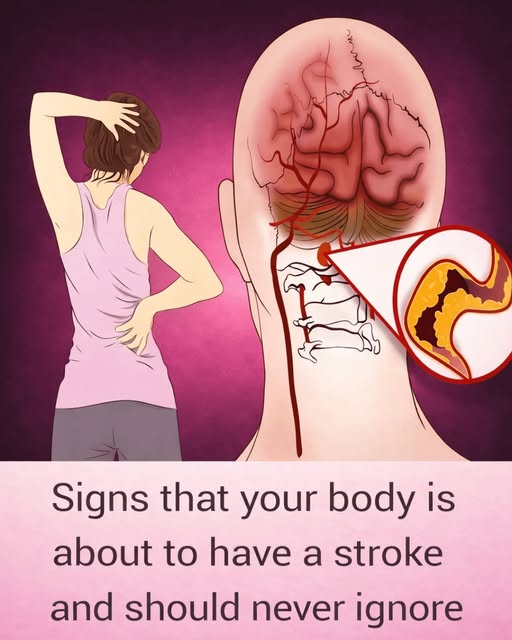
A stroke is a medical emergency where blood flow to part of the brain is interrupted or reduced. Quick recognition and treatment can significantly reduce brain damage and disability.
The most reliable way to identify stroke symptoms is the FAST method, but there are several early warning signs everyone should know.
10 Early Warning Signs of a Stroke Everyone Should Know
1. Sudden numbness or weakness (especially one side)
One of the most common signs is sudden weakness or numbness in:
- Face
- Arm
- Leg
Usually affects one side of the body.
2. Facial drooping
One side of the face may:
- Look uneven
- Droop when smiling
- Feel numb or weak
Ask the person to smile—this is a key FAST test.
3. Trouble speaking or understanding speech
The person may:
- Speak slurred or confused words
- Have difficulty forming sentences
- Not understand simple speech
4. Sudden confusion
This may appear as:
- Disorientation
- Difficulty thinking clearly
- Trouble responding appropriately
5. Vision problems
Sudden changes such as:
- Blurred vision
- Double vision
- Loss of vision in one or both eyes
6. Severe sudden headache
A sudden, intense headache with no known cause may signal:
- Bleeding in the brain (hemorrhagic stroke)
It is often described as the “worst headache of life.”
7. Dizziness or loss of balance
The person may experience:
- Loss of coordination
- Trouble walking
- Feeling unsteady or dizzy
8. Trouble walking
This may include:
- Staggering
- Falling
- Lack of coordination
Often linked with brain areas controlling movement.
9. Sudden numbness in the face
Unlike general weakness, localized facial numbness can be an early sign, especially if it appears suddenly.
10. Difficulty swallowing
Some people may:
- Choke easily
- Have trouble swallowing liquids or food
- Feel throat weakness
FAST Stroke Test (Important to remember)
- F – Face: Does one side droop?
- A – Arms: Can both arms be raised evenly?
- S – Speech: Is speech slurred or strange?
- T – Time: Call emergency services immediately
Why quick action matters
A stroke is extremely time-sensitive. Brain cells begin to die within minutes due to lack of oxygen. Early treatment can:
- Reduce brain damage
- Improve recovery chances
- Save life
Types of stroke (basic understanding)
- Ischemic stroke – most common type
- Hemorrhagic stroke – caused by ruptured blood vessels
When to seek emergency help
Call emergency services immediately if ANY of these appear suddenly, even if symptoms go away quickly (possible mini-stroke or TIA).
Final takeaway
Stroke symptoms are usually:
- Sudden
- One-sided
- Noticeable change in speech, movement, or vision
Recognizing these signs early can save a life and prevent permanent disability.