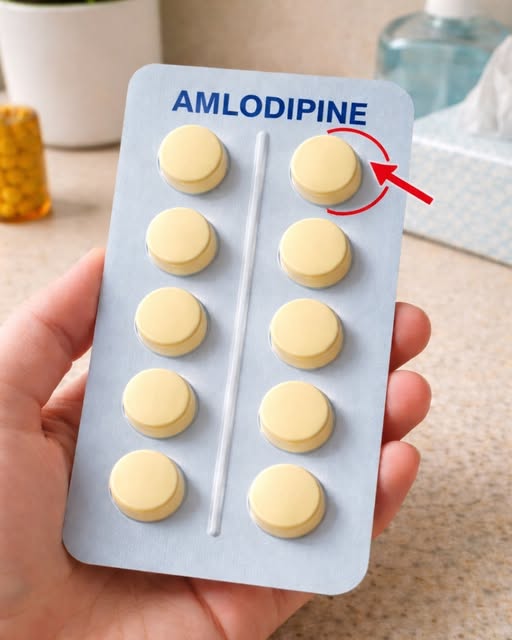
If you’re taking Amlodipine, the goal is to keep your blood pressure stable and avoid things that reduce the medicine’s effectiveness or worsen side effects like swelling, dizziness, or low blood pressure.
Below are 8 habits you should avoid or correct, and why they matter.
8 Habits to Stop If You Are Taking Amlodipine (and Why)
1. Stopping your medication on your own
Why it’s risky:
Amlodipine works by keeping blood vessels relaxed. Suddenly stopping it can cause:
- Blood pressure spikes
- Chest pain in some people
- Increased stroke/heart risk
Never stop without medical advice.
2. Eating too much salty food
Why it matters:
High sodium intake causes the body to retain water and increases blood pressure, which works against the medication.
Common high-salt foods:
- Processed snacks
- Pickles
- Fast food
- Instant noodles
3. Drinking excessive alcohol
Why it matters:
Alcohol can:
- Increase dizziness
- Lower blood pressure too much suddenly
- Stress the heart
- Reduce medication stability
Even moderate alcohol may worsen side effects in some people.
4. Sitting or standing up too quickly
Why it matters:
Amlodipine can cause blood pressure drops, leading to:
- Dizziness
- Lightheadedness
- Risk of falls
Slow movements reduce this risk.
5. Smoking
Why it matters:
Smoking damages blood vessels and:
- Raises blood pressure
- Reduces oxygen delivery
- Increases heart disease risk
It directly opposes the benefits of amlodipine.
6. Eating grapefruit or drinking grapefruit juice frequently
Why it matters:
Grapefruit can interfere with how some blood pressure medications are metabolized, potentially increasing side effects like:
- Excessive lowering of blood pressure
- Dizziness
- Flushing
(Interaction risk is lower than with some other drugs, but still often advised to avoid.)
7. Skipping exercise or leading a very sedentary lifestyle
Why it matters:
A lack of movement can:
- Keep blood pressure elevated
- Worsen heart health
- Reduce medication effectiveness in long term control
Light regular activity helps amlodipine work better.
8. Ignoring swelling in feet or ankles
Why it matters:
Amlodipine can cause peripheral edema (fluid buildup). Ignoring it may:
- Make walking uncomfortable
- Indicate dose issues
- Signal need for medication adjustment
Report persistent swelling to a doctor.
Extra important notes
Amlodipine works best when combined with:
- Low-salt diet
- Regular walking
- Weight control
- Stress management
Warning signs to seek medical help
Contact a doctor if you experience:
- Severe dizziness or fainting
- Chest pain
- Fast or irregular heartbeat
- Sudden swelling in legs
- Very low blood pressure symptoms
Bottom line
Amlodipine is effective, but lifestyle habits strongly affect how well it works. The biggest issues are salt intake, alcohol, smoking, and poor lifestyle control, not the medication itself.
If you want, I can also give you:
- A food list safe for amlodipine users
- Or a 7-day heart-friendly diet plan for high blood pressure