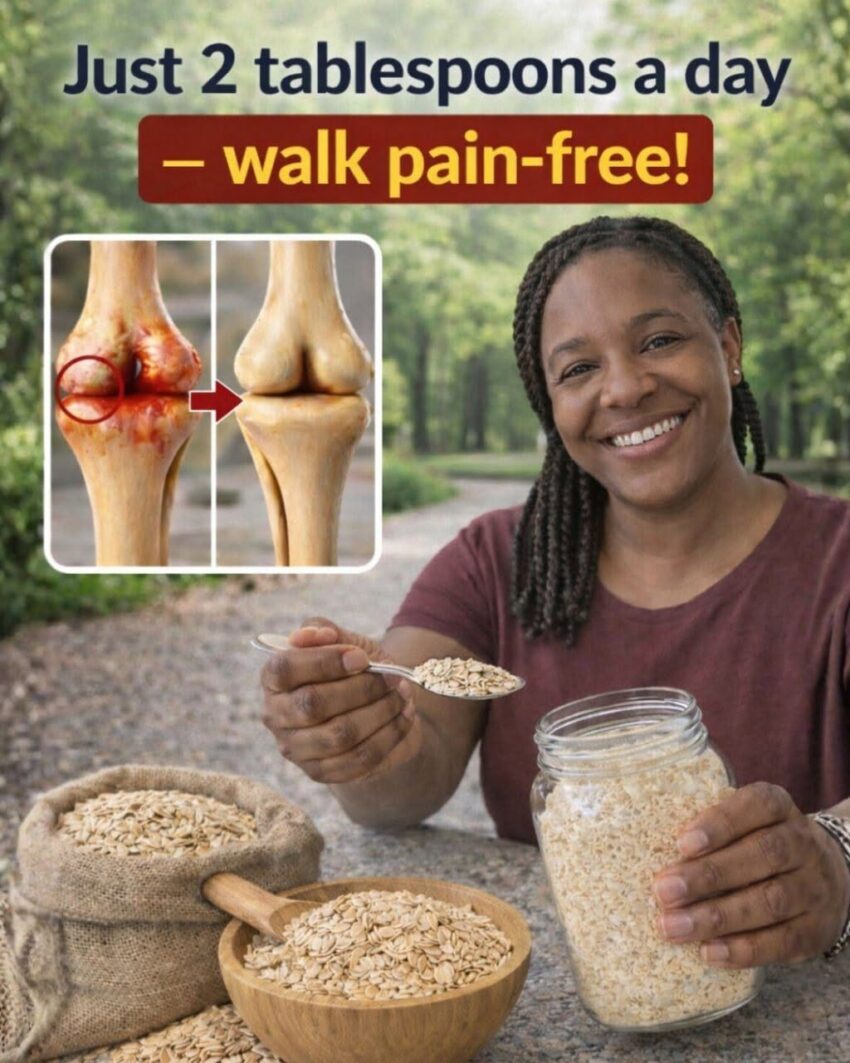
If you’ve come across the headline “97-year-old orthopedic doctor reveals: This food can help restore knee cartilage in just 24 hours!”, you’re not alone. Such claims spread quickly online because many people are searching for natural ways to relieve knee pain and improve mobility.
However, it’s important to know that no food has been scientifically proven to rebuild knee cartilage in just 24 hours. Cartilage is a specialized tissue that has a very limited ability to repair itself. While certain nutrients can support joint health and help reduce inflammation, they are not instant cures.
The good news is that a balanced diet rich in anti-inflammatory foods can be part of a healthy lifestyle that supports your joints over time.
Why Knee Cartilage Matters
Cartilage is the smooth, flexible tissue that cushions the ends of your bones. Healthy cartilage allows your knees to move comfortably without bones rubbing against one another.
As we age or after injuries, cartilage may gradually wear down, increasing the risk of stiffness, discomfort, and osteoarthritis.
Supporting joint health involves a combination of healthy eating, regular movement, maintaining a healthy weight, and following medical advice when needed.
Nutrients That May Support Healthy Joints
Although they cannot regenerate cartilage overnight, these nutrients play important roles in joint health.
Vitamin C
Vitamin C helps your body produce collagen, an important protein found in cartilage, tendons, and ligaments.
Natural sources include:
- Oranges
- Lemons
- Strawberries
- Kiwi
- Bell peppers
Omega-3 Fatty Acids
Omega-3 fats may help reduce inflammation associated with joint discomfort.
Good sources include:
- Salmon
- Sardines
- Chia seeds
- Flaxseeds
- Walnuts
Turmeric
Turmeric contains curcumin, a natural compound with antioxidant and anti-inflammatory properties. While promising, it should not be considered a replacement for medical treatment.
Ginger
Ginger has traditionally been used to help reduce occasional inflammation and support overall wellness.
Leafy Green Vegetables
Spinach, kale, and other greens provide vitamins, minerals, and antioxidants that contribute to overall health.
Organic Golden Joint Support Smoothie
This nourishing smoothie combines several wholesome ingredients commonly associated with joint-friendly nutrition.
Ingredients
- 1 cup unsweetened almond milk or oat milk
- ½ teaspoon organic turmeric powder
- ½ teaspoon freshly grated ginger
- 1 small banana
- ½ cup pineapple chunks
- Juice of ½ lemon
- 1 tablespoon chia seeds
- 1 teaspoon flaxseed meal
- A pinch of black pepper
- Ice cubes (optional)
Directions
- Add all ingredients to a blender.
- Blend until smooth and creamy.
- Pour into a glass.
- Drink immediately for the freshest flavor.
Why These Ingredients?
Turmeric provides curcumin, a plant compound being studied for its anti-inflammatory effects.
Ginger adds flavor and has a long history of traditional use for digestive and general wellness.
Pineapple contains vitamin C and naturally occurring bromelain, an enzyme that has been studied for its potential role in inflammation.
Banana contributes potassium and a creamy texture.
Chia Seeds provide fiber, omega-3 fats, and plant protein.
Flaxseed offers additional omega-3 fatty acids and dietary fiber.
Black Pepper contains piperine, which may improve curcumin absorption.
Lifestyle Habits That Support Knee Health
Healthy joints benefit from more than diet alone. Consider these habits:
- Maintain a healthy body weight to reduce stress on the knees.
- Stay physically active with low-impact exercises such as walking, swimming, or cycling.
- Strengthen the muscles around your knees through appropriate exercise.
- Stretch regularly to maintain flexibility.
- Wear supportive footwear.
- Stay hydrated.
- Get enough sleep to support overall recovery.
Foods to Include More Often
A balanced eating pattern can support overall musculoskeletal health. Try including:
- Colorful fruits
- Leafy green vegetables
- Beans and lentils
- Whole grains
- Nuts and seeds
- Olive oil
- Fatty fish
- Yogurt or other calcium-rich foods (if suitable for you)
Frequently Asked Questions
Can food rebuild cartilage in one day?
No. There is no credible scientific evidence that any food can restore knee cartilage within 24 hours.
Can turmeric help knee pain?
Turmeric may help reduce inflammation in some people, but results vary and it does not regenerate cartilage.
Is collagen helpful?
Collagen supplements are being studied for joint health. Some people may notice modest benefits over time, but evidence is still evolving and effects are not immediate.
Should I stop my arthritis medication if I eat healthy?
No. Continue any prescribed treatment unless your healthcare provider advises otherwise.
Final Thoughts
Healthy foods can play an important role in supporting your joints, reducing inflammation, and promoting overall wellness. However, headlines promising that a single food can restore knee cartilage in 24 hours are not supported by current scientific evidence.
Instead, focus on a long-term approach that includes a nutrient-rich diet, regular physical activity, maintaining a healthy weight, and seeking medical care for persistent knee pain. This organic smoothie is a delicious addition to a balanced lifestyle—but it should be viewed as a supportive wellness choice rather than a cure.