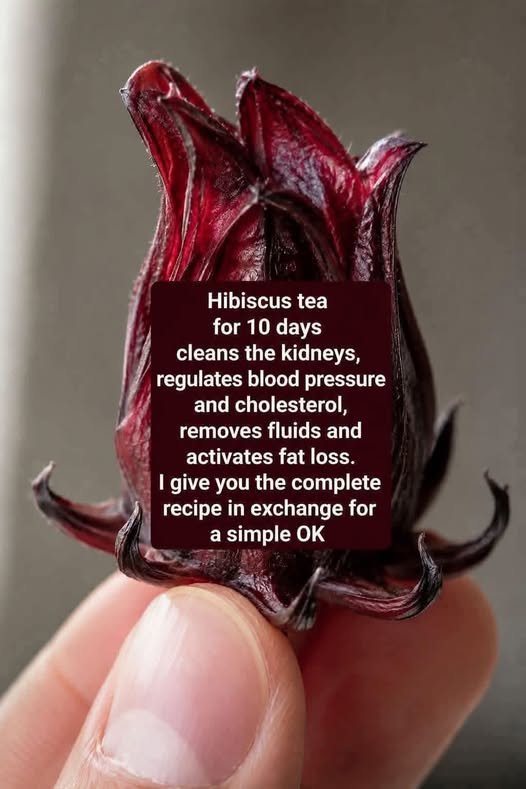
A drink made from hibiscus (“Jamaica”), bay leaves (“laurel”), and cinnamon, here’s a detailed look at what is known and what is not known.
What each ingredient contains
1. Hibiscus tea (Agua de Jamaica)
Hibiscus is rich in:
- Anthocyanins (red-purple antioxidants)
- Polyphenols
- Vitamin C (small amounts, depending on preparation)
Research suggests hibiscus may:
- Help lower blood pressure in some people
- Provide antioxidant effects
- Modestly improve some cardiovascular risk markers
There is no strong evidence that it rapidly improves eyesight.
2. Bay Leaf (Laurel)
Common culinary bay leaves contain:
- Polyphenols
- Essential oils
- Small amounts of vitamins and minerals
Research on bay leaves is limited. Some studies suggest:
- Antioxidant activity
- Possible effects on blood sugar regulation
Evidence for eye-health benefits is weak and indirect.
3. Cinnamon
Cinnamon contains:
- Cinnamaldehyde
- Polyphenols
- Antioxidants
Some evidence suggests cinnamon may:
- Improve insulin sensitivity
- Help control blood sugar in certain individuals
- Reduce inflammation markers
Again, this does not translate into immediate vision restoration.
Why people may think their vision improved
Several mechanisms can create the impression of sharper vision:
Better blood sugar control
When blood sugar is very high, the lens inside the eye can temporarily change shape, causing blurry vision.
If a person’s blood sugar improves over time, vision may feel clearer. However:
- This usually takes days or weeks, not two minutes.
- It is not the same as reversing aging.
Reduced eye dryness
Hydration and comfort can make vision seem sharper.
Dry eyes often cause:
- Blurring
- Fluctuating focus
- Eye strain
A person who is dehydrated may notice temporary improvement after drinking fluids.
Placebo and expectation effects
If someone strongly expects a remedy to work, subjective improvements can feel very real.
This doesn’t mean the person is imagining things; it means perception can be influenced by expectation.
What actually affects age-related vision
Common age-related vision changes include:
Presbyopia
Difficulty focusing on near objects after about age 40.
Cause:
- The eye’s lens becomes less flexible.
No tea or herbal drink has been shown to reverse this.
Cataracts
Clouding of the lens.
Cause:
- Structural changes in lens proteins.
Treatment:
- Cataract surgery.
Macular degeneration
Damage to the central retina.
Treatment depends on the type and severity.
Glaucoma
Damage to the optic nerve.
Requires medical management.
Could the drink still be healthy?
For many healthy adults, an unsweetened hibiscus-cinnamon drink can be a pleasant beverage that provides antioxidants.
Potential cautions:
- Hibiscus may lower blood pressure.
- Cinnamon in large amounts (especially Cassia cinnamon) contains coumarin, which can affect the liver.
- Bay leaves should be strained out before drinking.
Bottom line
A hibiscus (“Jamaica”), bay leaf, and cinnamon drink may be:
- Refreshing
- Low-calorie
- Rich in plant compounds
- Potentially helpful for some cardiovascular or metabolic markers
But there is no reliable scientific evidence that it can make your vision comparable to that of a 20-year-old, especially within two minutes. If someone experiences clearer vision after drinking it, the explanation is more likely to be hydration, temporary changes in comfort, blood sugar effects, or subjective perception rather than reversal of age-related changes in the eye.