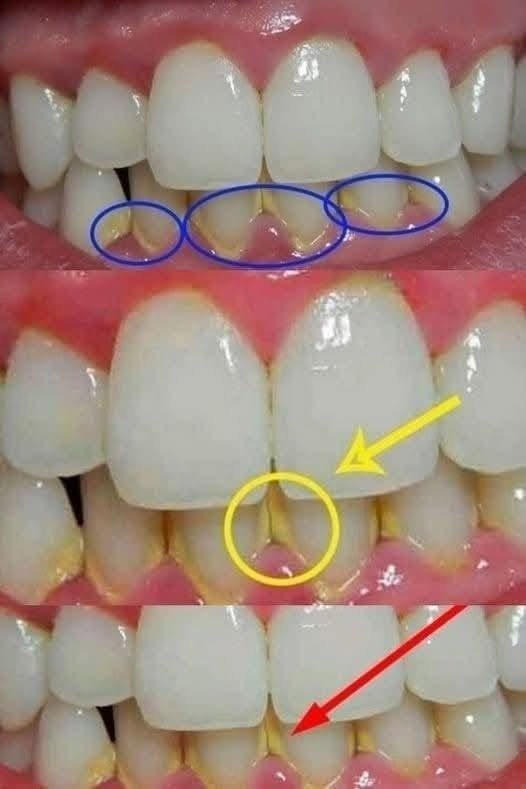
There’s a lot of misinformation online about “removing plaque in 5 minutes naturally,” so it helps to separate what’s possible instantly from what’s biologically not possible without tools.
First: what plaque actually is
Dental plaque is a soft, sticky biofilm made of:
- bacteria
- food particles
- saliva proteins
It constantly forms on teeth within hours after cleaning. At first, it’s soft and removable. If it sits too long (usually 24–72 hours), it starts mineralizing into tartar (calculus), which becomes hard like stone and bonds to the tooth surface.
👉 Key point:
- Soft plaque = removable at home
- Tartar = NOT removable at home (needs dentist tools)
Can you remove plaque in 5 minutes “naturally”?
Short answer:
You can reduce and remove fresh soft plaque in a few minutes, but only with mechanical cleaning (brushing + flossing). There is no natural liquid, powder, or hack that dissolves plaque instantly and safely.
The fastest effective at-home method (realistic “5–7 minute reset”)
1. Intensive brushing (2–3 minutes)
Use a soft-bristled toothbrush + fluoride toothpaste.
Focus technique:
- Hold brush at a 45° angle toward the gumline
- Use small circular motions (not hard scrubbing)
- Cover:
- outer surfaces
- inner surfaces
- chewing surfaces
Why this works:
- Physical friction disrupts plaque biofilm
- Fluoride helps slow bacterial regrowth
2. Flossing (2–3 minutes)
This is the most important step people skip.
Proper method:
- Use ~40 cm floss
- Slide gently between teeth (don’t snap)
- Curve around each tooth in a “C” shape
- Move up and down under gumline slightly
Why it matters:
- ~40% of tooth surfaces are between teeth
- Plaque there causes most cavities and gum inflammation
3. Rinse (30–60 seconds)
Options:
- Plain water (safe, immediate debris removal)
- Alcohol-free mouthwash (reduces bacteria load)
This does NOT remove plaque but:
- flushes loosened debris
- reduces bacterial activity temporarily
What people think “natural plaque removal” is (and why it’s misleading)
❌ Baking soda “instant plaque removal”
- Mild abrasive
- Can remove surface stains
- Does NOT remove tartar or deep plaque
- Overuse damages enamel
❌ Oil pulling (coconut oil)
- May reduce bacteria slightly over time
- No evidence it removes plaque in minutes
❌ Lemon, vinegar, charcoal hacks
- Acid damages enamel
- Charcoal is abrasive and can wear teeth
- None remove hardened plaque safely
What actually removes plaque vs tartar
| Condition | Can you remove at home? | How |
|---|---|---|
| Fresh plaque (hours old) | Yes | brushing + flossing |
| Thick plaque buildup | Partially | intensive cleaning |
| Tartar (hardened plaque) | No | dentist scaling tools |
If your goal is “clean teeth fast”
Here’s the most effective emergency routine:
- Brush 2–3 minutes thoroughly
- Floss all teeth
- Brush again quickly (30–60 sec)
- Rinse
Total time: ~5–7 minutes
Result: removes most soft plaque and improves breath and smoothness immediately
Important warning
If you feel:
- rough “buildup” near gums
- yellow/brown hard edges
- persistent bad breath despite brushing
That’s likely tartar, and no home method will remove it safely.
If you want, I can also show you:
- how to stop plaque turning into tartar in the first place
- or how to tell at home whether what you have is plaque or tartar in 10 seconds