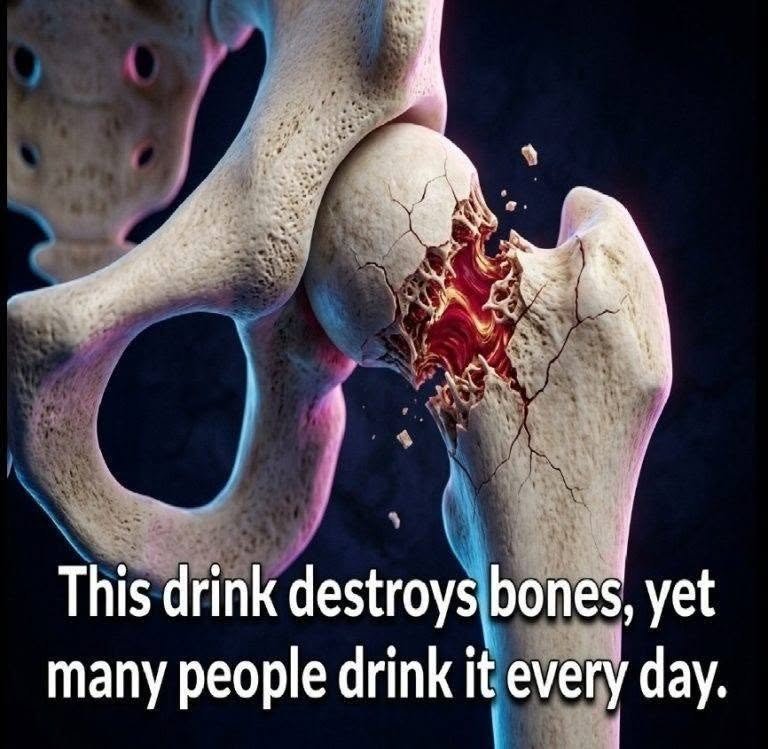
Strong bones are essential for living an active, healthy life. They support your body, protect vital organs, and allow you to move freely. While many people know that calcium and vitamin D are important for bone health, fewer realize that some beverages—especially when consumed in excess—may influence bone health over time.
It’s important to understand that no single drink automatically “damages” your bones. Bone health depends on many factors, including genetics, age, physical activity, hormone levels, overall diet, smoking, alcohol use, and certain medical conditions. However, regularly consuming certain drinks in large amounts may make it harder to maintain healthy bones or contribute indirectly to bone loss.
In this article, we’ll explore five types of beverages that health experts often recommend limiting, explain why moderation matters, and share healthier alternatives to help keep your bones strong for years to come.
Why Bone Health Matters
Bones are living tissues that are constantly being broken down and rebuilt. During childhood and early adulthood, your body builds bone faster than it loses it. Peak bone mass is usually reached by the early 30s.
As you age, particularly after age 50—and especially after menopause in women—bone loss can begin to outpace bone formation. This increases the risk of osteopenia, osteoporosis, and fractures.
Healthy lifestyle choices, including your beverage habits, can support stronger bones throughout life.
1. Sugary Soft Drinks
Sugary soft drinks are among the most commonly discussed beverages when it comes to bone health.
Many sodas contain:
- Large amounts of added sugar
- Phosphoric acid (especially cola drinks)
- Very little or no calcium or other beneficial nutrients
Some studies suggest that people who frequently drink cola beverages may have lower bone mineral density than those who consume them less often. One reason may be that these drinks replace healthier options such as milk or calcium-fortified beverages rather than directly damaging bones.
Potential Concerns
- May displace calcium-rich drinks
- High sugar intake may contribute to poorer overall health
- Excess calories can increase the risk of obesity
Better Alternatives
- Water
- Sparkling water without added sugar
- Milk or fortified plant-based milk
- Herbal tea
2. Excessive Alcohol
Alcohol affects many organs, including the bones.
Occasional or moderate alcohol consumption is different from heavy or long-term excessive drinking, which has been associated with reduced bone formation and an increased risk of fractures.
Heavy alcohol intake may also interfere with:
- Calcium balance
- Vitamin D metabolism
- Hormone levels involved in bone maintenance
Possible Effects
- Reduced bone density
- Increased fall risk
- Slower healing after fractures
If you drink alcohol, following your healthcare provider’s guidance and recommended limits is important.
3. Highly Sugary Energy Drinks
Energy drinks often contain combinations of:
- Large amounts of sugar
- High caffeine levels
- Stimulants
While research continues, consuming these beverages frequently may contribute to excessive caffeine intake and encourage unhealthy dietary patterns.
Additionally, replacing nutrient-rich beverages with energy drinks means missing opportunities to consume calcium and vitamin D.
Healthier Energy Boosts
Instead of relying on energy drinks, consider:
- Adequate sleep
- Regular physical activity
- Water
- Fresh fruit
- Balanced meals
4. Excessive Caffeinated Coffee
Coffee itself is not harmful for most healthy adults.
In fact, moderate coffee consumption has been linked to several health benefits.
However, very high caffeine intake may slightly reduce calcium absorption if calcium intake is already low.
Most experts agree that moderate coffee consumption can be part of a healthy diet, especially when accompanied by adequate calcium intake.
Tips
- Enjoy coffee in moderation.
- Avoid adding excessive sugar.
- Ensure your diet provides enough calcium.
5. Sweetened Specialty Coffee Drinks
Many coffee shop beverages contain:
- Large amounts of added sugar
- Whipped cream
- High-calorie syrups
- Saturated fat
While these ingredients don’t directly weaken bones, regularly consuming large amounts of added sugar may contribute to poorer overall nutrition and increase the likelihood of replacing healthier foods and drinks.
Choosing simpler coffee options may support a healthier overall diet.
Drinks That Support Bone Health
Instead of focusing only on what to avoid, it’s helpful to know which beverages may benefit your bones.
Milk
Milk naturally provides:
- Calcium
- Protein
- Vitamin B12
- Phosphorus
Many dairy products are also fortified with vitamin D.
Fortified Plant-Based Milk
Fortified soy, almond, oat, and pea milk may provide calcium and vitamin D similar to dairy milk. Always check the nutrition label to ensure they are fortified.
Water
Water supports every system in the body, including healthy circulation and overall physical function.
Staying hydrated also helps support muscles and joints, making it easier to stay physically active.
Smoothies Made With Whole Foods
Homemade smoothies containing:
- Yogurt
- Milk
- Leafy greens
- Fruit
can provide nutrients that support overall health.
Other Factors That Affect Bone Health
Your beverage choices are only one part of the picture.
Healthy bones also depend on:
Regular Weight-Bearing Exercise
Examples include:
- Walking
- Dancing
- Hiking
- Climbing stairs
These activities help stimulate bone strength.
Strength Training
Resistance exercises help maintain muscle mass and place healthy stress on bones, encouraging them to stay strong.
Vitamin D
Vitamin D helps your body absorb calcium effectively.
Sources include:
- Safe sunlight exposure
- Fatty fish
- Eggs
- Fortified foods
Your healthcare provider may recommend supplements if needed.
Calcium-Rich Foods
Excellent sources include:
- Milk
- Yogurt
- Cheese
- Tofu made with calcium
- Sardines with bones
- Kale
- Broccoli
Don’t Smoke
Smoking is associated with reduced bone density and slower healing after fractures.
Quitting smoking benefits both bone health and overall health.
Who Is Most at Risk for Weak Bones?
Bone health deserves extra attention if you are:
- Over age 50
- A postmenopausal woman
- Living with osteoporosis
- Underweight
- Physically inactive
- A smoker
- Taking long-term corticosteroid medications
- Living with certain hormone or digestive disorders
If you have risk factors, speak with your healthcare provider about bone density screening.
Frequently Asked Questions
Can one soft drink damage my bones?
No. An occasional soft drink is unlikely to harm healthy bones. Problems are more likely to arise from consistently replacing nutritious beverages with sugary drinks over time.
Is coffee bad for bones?
Moderate coffee consumption is generally considered safe for most adults. Very high caffeine intake may have a small effect on calcium balance if dietary calcium is insufficient.
What is the best drink for strong bones?
Milk and calcium-fortified plant-based beverages are excellent options because they provide nutrients that support bone health.
Can I prevent osteoporosis through diet alone?
Diet plays an important role, but exercise, adequate vitamin D, avoiding smoking, limiting excessive alcohol, and regular medical care are also important.
Simple Daily Habits for Stronger Bones
To support lifelong bone health:
- Eat calcium-rich foods daily.
- Include adequate protein in your meals.
- Stay physically active.
- Spend time outdoors safely for vitamin D.
- Maintain a healthy body weight.
- Avoid smoking.
- Limit excessive alcohol.
- Choose water more often than sugary drinks.
Small habits practiced consistently can have a significant impact over time.
Final Thoughts
There is no single beverage that automatically weakens your bones. However, regularly consuming large amounts of sugary soft drinks, excessive alcohol, highly caffeinated energy drinks, or high-sugar specialty beverages may contribute to poorer overall nutrition and indirectly affect bone health.
The good news is that protecting your bones doesn’t require drastic changes. By choosing nutritious beverages more often, eating a balanced diet, staying physically active, and getting enough calcium and vitamin D, you can help maintain stronger bones throughout life.
Remember, healthy bones are built through years of consistent habits—not by avoiding one specific drink. Making informed choices today can support your mobility, independence, and quality of life well into the future.