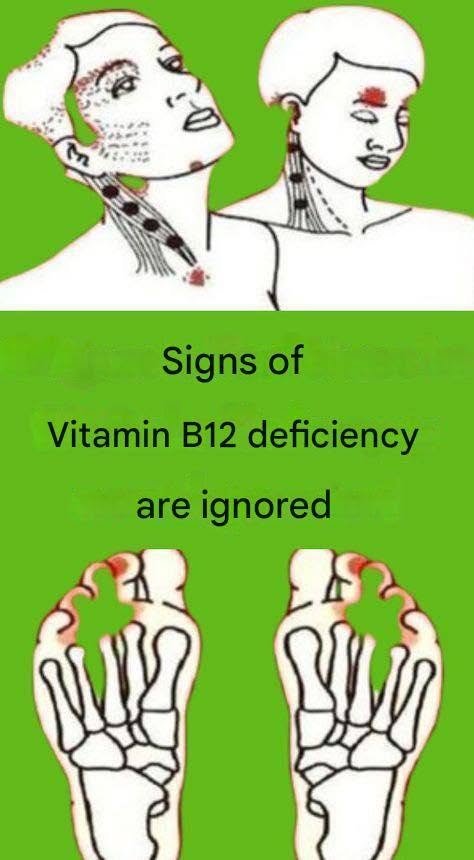
Vitamin B12 is an essential nutrient that plays a vital role in red blood cell production, nerve function, DNA synthesis, and brain health. Despite its importance, vitamin B12 deficiency is surprisingly common, particularly among older adults, people following strict vegan diets, and individuals with certain digestive conditions.
The challenge is that the symptoms often develop slowly. Many people mistake them for normal aging, stress, or fatigue, allowing the deficiency to worsen over time. Left untreated, a vitamin B12 deficiency can lead to serious complications, including permanent nerve damage in some cases.
Recognizing the early warning signs can help you seek medical advice before more severe problems develop.
What Is Vitamin B12?
Vitamin B12, also known as cobalamin, is a water-soluble vitamin that helps your body:
- Produce healthy red blood cells
- Keep nerves functioning properly
- Support brain health
- Create DNA
- Convert food into usable energy
Because your body cannot produce vitamin B12 on its own, it must come from food or supplements when needed.
1. Persistent Fatigue and Weakness
One of the earliest and most common signs of vitamin B12 deficiency is ongoing fatigue.
When your body doesn’t have enough vitamin B12, it cannot produce healthy red blood cells efficiently. This may reduce the amount of oxygen delivered throughout the body, leaving you feeling:
- Constantly tired
- Weak
- Low on energy
- Easily exhausted
Fatigue has many possible causes, so it should not automatically be attributed to vitamin B12 deficiency.
2. Tingling or Numbness in the Hands and Feet
Vitamin B12 is essential for maintaining the protective covering around nerves.
A deficiency may lead to:
- Tingling sensations
- Pins-and-needles feelings
- Numbness
- Burning sensations
These symptoms usually begin gradually and may worsen if the deficiency is not treated.
3. Difficulty Walking or Poor Balance
Because vitamin B12 affects nerve function, some people experience problems with balance and coordination.
You may notice:
- Feeling unsteady
- Frequent stumbling
- Difficulty walking normally
Older adults sometimes mistake these symptoms for natural aging when they may deserve medical evaluation.
4. Memory Problems and Difficulty Concentrating
Low vitamin B12 levels may affect cognitive function in some individuals.
Possible symptoms include:
- Forgetfulness
- Trouble concentrating
- Mental fog
- Difficulty completing familiar tasks
These symptoms can have many causes, so proper evaluation is important.
5. Pale or Slightly Yellow Skin
Vitamin B12 deficiency may contribute to a form of anemia, which can make the skin appear unusually pale.
In some cases, mild yellowing of the skin or eyes may occur due to the breakdown of fragile red blood cells.
6. A Smooth, Sore, or Red Tongue
Some people develop inflammation of the tongue, known as glossitis.
Symptoms may include:
- A smooth appearance
- Redness
- Tenderness
- Burning sensations
You may also notice mouth ulcers or changes in taste.
7. Shortness of Breath
Because anemia reduces oxygen delivery, some people experience:
- Breathlessness during activity
- Rapid heartbeat
- Feeling winded more easily than usual
These symptoms should always be evaluated by a healthcare professional.
8. Mood Changes
Vitamin B12 plays an important role in nervous system function.
Some people with deficiency report:
- Irritability
- Depression
- Low mood
- Increased anxiety
These symptoms are not unique to vitamin B12 deficiency but may improve when an underlying deficiency is treated.
9. Vision Changes
Although uncommon, severe vitamin B12 deficiency can affect the optic nerve.
Possible symptoms include:
- Blurred vision
- Reduced visual clarity
- Difficulty focusing
Vision changes should always receive prompt medical attention.
10. Heart Palpitations
Anemia caused by vitamin B12 deficiency may make the heart work harder to deliver oxygen throughout the body.
Some people notice:
- Racing heartbeat
- Heart palpitations
- Feeling their heart beating unusually fast
Because heart symptoms can have many causes, they should never be ignored.
Who Is Most at Risk?
Vitamin B12 deficiency is more common in:
- Adults over age 60
- Vegans and strict vegetarians
- People with pernicious anemia
- Individuals with Crohn’s disease or celiac disease
- People who have had stomach or intestinal surgery
- Long-term users of certain medications, such as metformin or acid-reducing medicines
Foods Rich in Vitamin B12
Natural sources include:
- Beef
- Chicken
- Fish
- Salmon
- Tuna
- Eggs
- Milk
- Cheese
- Yogurt
People following plant-based diets may need fortified foods or supplements after discussing their needs with a healthcare professional.
How Is Vitamin B12 Deficiency Diagnosed?
If your doctor suspects vitamin B12 deficiency, they may recommend:
- Blood tests to measure vitamin B12 levels
- Complete blood count (CBC)
- Additional tests if necessary to determine the underlying cause
Self-diagnosing based on symptoms alone is not recommended.
Treatment
Treatment depends on the cause and severity of the deficiency.
Your healthcare provider may recommend:
- Oral vitamin B12 supplements
- Vitamin B12 injections
- Dietary changes
- Treatment of any underlying digestive condition affecting absorption
Most people improve significantly when deficiency is identified and treated early.
Frequently Asked Questions
Can vitamin B12 deficiency cause permanent nerve damage?
Yes. If left untreated for a long time, severe deficiency may cause nerve damage that can become permanent. Early diagnosis greatly improves the chance of recovery.
Is fatigue always caused by low vitamin B12?
No. Fatigue has many possible causes, including poor sleep, thyroid disorders, anemia from other causes, depression, and chronic illnesses.
Can I get enough vitamin B12 from food?
Most people who eat animal-based foods regularly obtain adequate vitamin B12. People following vegan diets often require fortified foods or supplements.
Should I take vitamin B12 supplements without testing?
Not necessarily. It’s best to speak with a healthcare professional, especially if you have symptoms or belong to a higher-risk group.
Tips for Maintaining Healthy Vitamin B12 Levels
- Eat a balanced diet that includes vitamin B12-rich foods.
- If you follow a vegan diet, choose fortified foods or supplements as advised.
- Attend regular health checkups, especially after age 50.
- Discuss medications that may affect vitamin B12 absorption with your healthcare provider.
- Seek medical advice if symptoms persist.
Final Thoughts
Vitamin B12 deficiency often develops slowly, making it easy to overlook the early warning signs. Persistent fatigue, numbness, balance problems, memory changes, and a sore tongue are just a few symptoms that deserve attention.
Fortunately, vitamin B12 deficiency is often treatable once identified. If you notice ongoing symptoms or belong to a higher-risk group, don’t assume they’re simply part of aging. A simple medical evaluation can help determine whether low vitamin B12 is the cause and ensure you receive the right treatment.
Protecting your nerve health, energy levels, and overall well-being starts with recognizing the signs early and seeking appropriate medical care.