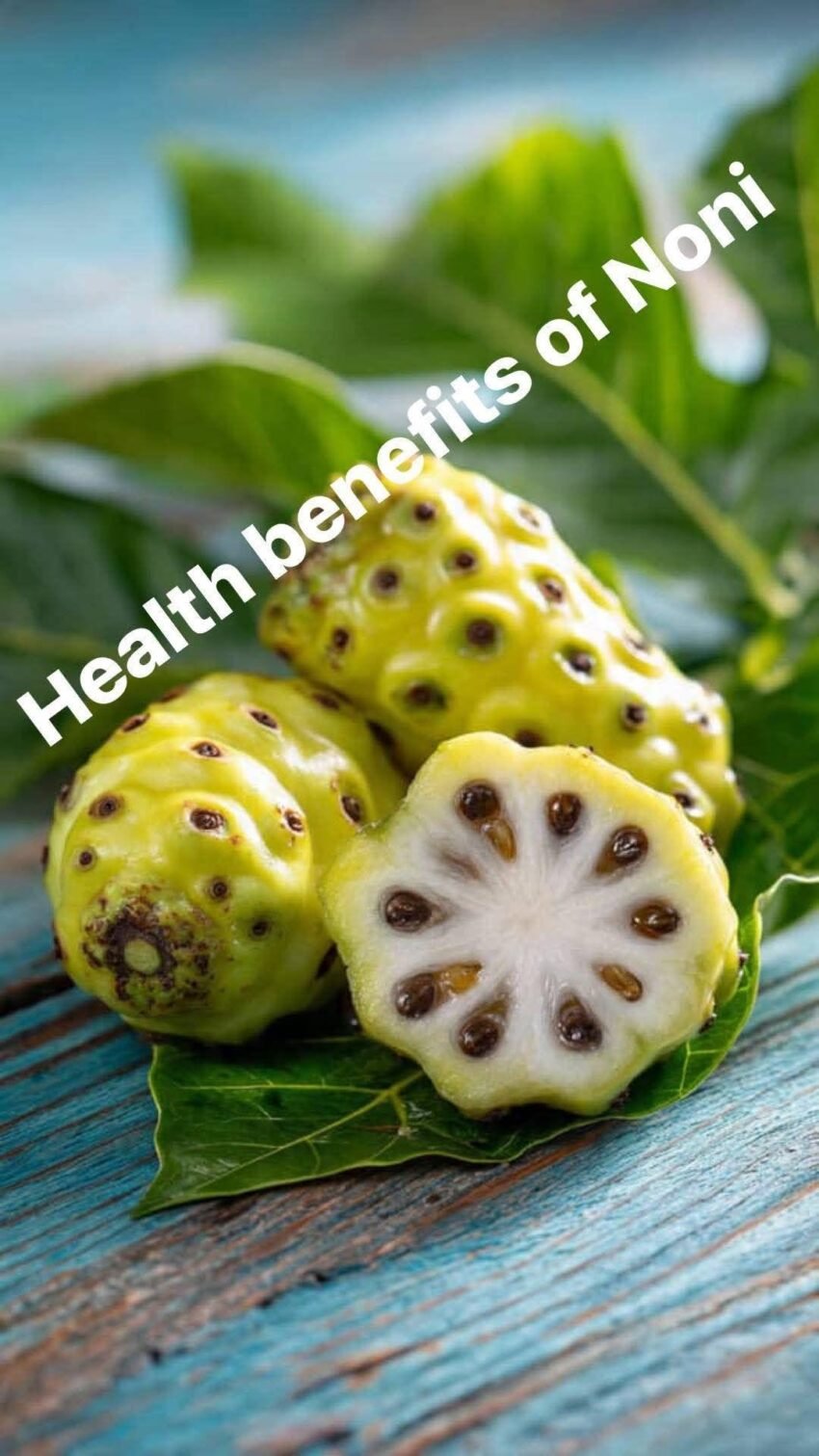
🥭 Noni: The “Miracle Fruit” of the Tropics
Noni fruit
Noni is a tropical fruit that grows on the small evergreen tree Morinda citrifolia, found across Southeast Asia, Polynesia, and parts of Australia. It has gained attention in traditional medicine circles and modern wellness trends, often being called a “miracle fruit”—though that name is more cultural than scientific.
🌿 What it looks and tastes like
- Green when unripe, turning yellowish-white as it matures
- Soft, bumpy skin with a strong, pungent smell (often compared to rotten cheese)
- Bitter, sharp taste—most people don’t eat it fresh
- Usually consumed as juice, powder, or fermented drink
🧪 Traditional uses
In Polynesian and Southeast Asian traditional medicine, noni has been used for:
- General fatigue and energy support
- Skin conditions (applied as poultice)
- Digestive discomfort
- Fever and minor infections
Leaves, roots, and fruit were all used in herbal preparations.
🧬 What modern science says
Research on noni is still limited, but it contains:
- Antioxidants (which help reduce oxidative stress)
- Vitamin C
- Plant compounds like iridoids and flavonoids
Some early studies suggest potential effects on inflammation and immune response, but:
- Evidence in humans is not strong enough to confirm medical benefits
- It should not be treated as a cure for disease
⚠️ Important safety notes
While generally considered safe in small amounts, there are cautions:
- High potassium levels → not ideal for people with kidney disease
- Some noni juices are very concentrated
- Rare reports of liver issues linked to excessive consumption
- May interact with medications (especially diuretics or blood pressure drugs)
🥤 How it’s commonly consumed
- Fermented noni juice (most popular form)
- Mixed with other fruit juices to mask bitterness
- Capsules or powdered supplements
- Herbal teas using leaves
🌺 Bottom line
Noni is a culturally important tropical fruit with interesting plant compounds, but the “miracle cure” reputation is mostly traditional belief and marketing, not confirmed medical science.
It may have some health-supporting properties, but it’s best viewed as a supplemental food, not a treatment.
If you want, I can also compare noni with other “superfruits” like moringa, acai, or guava so you can see what actually has stronger evidence behind it.