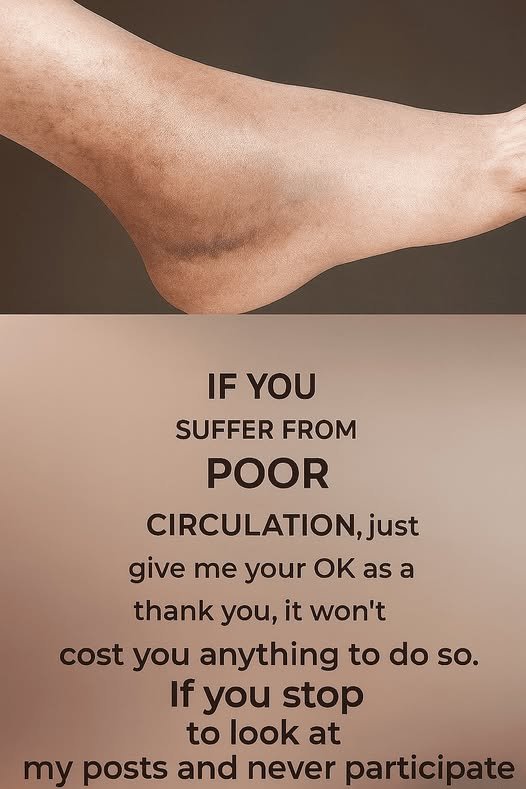
Poor circulation occurs when blood does not flow efficiently through the body’s blood vessels, particularly to the hands and feet. Reduced blood flow can cause discomfort, affect mobility, and sometimes signal an underlying health condition that requires medical attention.
Common Signs of Poor Circulation in the Legs
1. Cold Feet and Legs
If your feet or lower legs often feel cold even in warm environments, reduced blood flow may be limiting the delivery of warm, oxygen-rich blood to these areas.
2. Numbness or Tingling
A “pins and needles” sensation can occur when nerves do not receive adequate oxygen and nutrients due to decreased circulation.
3. Swelling
Fluid may accumulate in the lower legs, ankles, and feet when circulation is impaired, causing noticeable swelling and discomfort.
4. Leg Pain or Cramping
Pain during walking or physical activity that improves with rest may be a sign of reduced blood flow to the muscles.
5. Heavy or Tired Legs
Many people with circulation problems describe their legs as feeling unusually heavy, fatigued, or weak, especially after standing or sitting for long periods.
6. Changes in Skin Color
Poor circulation can cause the skin to appear pale, bluish, or purplish due to reduced oxygen delivery.
7. Slow-Healing Wounds
Cuts, scrapes, or ulcers on the feet and legs may heal more slowly when blood flow is inadequate.
Common Causes of Poor Circulation
Several conditions can contribute to circulation problems, including:
- Peripheral Artery Disease
- Diabetes
- High Blood Pressure
- Obesity
- Smoking
- Prolonged sitting or inactivity
- Varicose veins
- Heart-related conditions
What May Help Improve Circulation
Stay Physically Active
Regular movement encourages healthy blood flow. Activities such as:
- Walking
- Cycling
- Swimming
- Gentle stretching
can help improve circulation in the lower extremities.
Avoid Sitting for Long Periods
If you work at a desk or travel frequently:
- Stand up every 30–60 minutes
- Stretch your legs
- Take short walks whenever possible
Maintain a Healthy Weight
Excess weight places additional strain on the circulatory system. Gradual weight management may improve blood flow and overall cardiovascular health.
Stay Hydrated
Proper hydration helps maintain healthy blood volume and circulation.
Elevate Your Legs
Raising your legs above heart level for short periods may help reduce swelling and encourage blood return to the heart.
Consider Compression Stockings
Compression stockings can help improve blood flow and reduce swelling in some individuals. They should be used according to a healthcare professional’s recommendations.
Eat a Heart-Healthy Diet
Focus on:
- Fruits and vegetables
- Whole grains
- Lean proteins
- Healthy fats such as olive oil, nuts, and fish
Reducing excessive salt, sugar, and processed foods may also support vascular health.
Avoid Smoking
Smoking damages blood vessels and significantly impairs circulation. Quitting can lead to substantial improvements in vascular function over time.
When to Seek Medical Attention
Consult a healthcare professional if you experience:
- Persistent leg pain
- Severe swelling
- Skin discoloration
- Non-healing wounds
- Sudden numbness or weakness
- Chest pain or shortness of breath
These symptoms may indicate a more serious circulatory or cardiovascular condition requiring prompt evaluation.
The Bottom Line
Poor circulation can cause cold feet, tingling, swelling, leg cramps, fatigue, and slow-healing wounds. While lifestyle measures such as regular exercise, staying hydrated, maintaining a healthy weight, and avoiding smoking can often improve circulation, persistent or worsening symptoms should be evaluated by a healthcare professional to identify and treat any underlying causes.