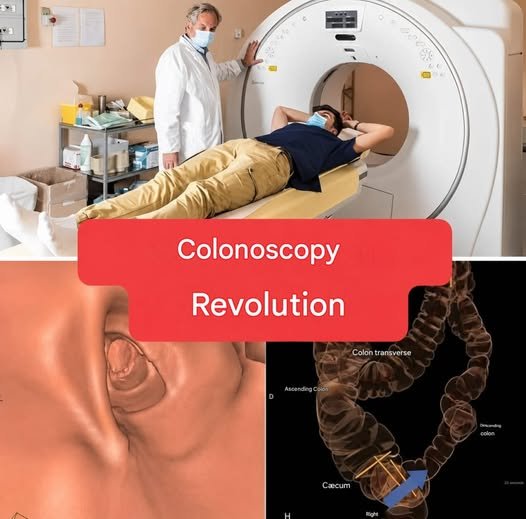
For many people, the thought of having a colonoscopy can be intimidating. Concerns about discomfort, bowel preparation, and the invasive nature of the procedure often lead people to delay this important screening test. Fortunately, researchers are developing new technologies that could make colorectal cancer screening easier and more comfortable in the future.
While traditional colonoscopy remains the gold standard for detecting and removing precancerous polyps, several less-invasive alternatives are showing promising results.
Why Is Colonoscopy Important?
A colonoscopy allows doctors to examine the inside of the large intestine using a thin, flexible tube with a tiny camera attached. During the procedure, they can detect and remove polyps before they become cancerous, making it one of the most effective tools for preventing colorectal cancer.
Although the procedure is highly effective, many people avoid it because they worry about pain or embarrassment.
New Technologies on the Horizon
Scientists and medical engineers are developing innovative methods that aim to reduce discomfort while maintaining high accuracy.
1. Colon Capsule Endoscopy
One of the most exciting developments is the colon capsule endoscopy, often called the “camera pill.”
Instead of inserting a flexible scope into the colon, the patient swallows a capsule about the size of a large vitamin. As it travels naturally through the digestive tract, it captures thousands of images that are transmitted to a recording device worn by the patient.
Potential advantages include:
- No sedation required
- No insertion of a scope
- Minimal discomfort
- Patients can continue many normal activities during the examination
However, if the capsule detects suspicious polyps or abnormalities, a standard colonoscopy is still needed to remove tissue or take biopsies.
2. Artificial Intelligence (AI)
Artificial intelligence is transforming colonoscopy by helping doctors identify small polyps that might otherwise be missed. AI-assisted systems analyse the video feed in real time, highlighting areas that deserve closer inspection.
Although AI does not make colonoscopy non-invasive, it may improve detection rates and help doctors identify precancerous changes more accurately.
Is Traditional Colonoscopy Becoming Obsolete?
Not yet. Despite these exciting advances, traditional colonoscopy remains the most comprehensive test because it allows doctors to:
- View the entire colon directly.
- Remove polyps during the same procedure.
- Take tissue samples (biopsies) for laboratory analysis.
For now, newer technologies are best viewed as complementary options for selected patients rather than complete replacements.
Coming in Part 2
In the second part, we’ll explore other emerging technologies, including robotic devices, advanced imaging techniques, and blood-based screening tests, and discuss how they may shape the future of colorectal cancer screening.
Disclaimer: This article is for educational purposes only and should not replace professional medical advice. If you have symptoms such as rectal bleeding, persistent changes in bowel habits, unexplained weight loss, or a family history of colorectal cancer, consult your healthcare provider about the most appropriate screening test for you.