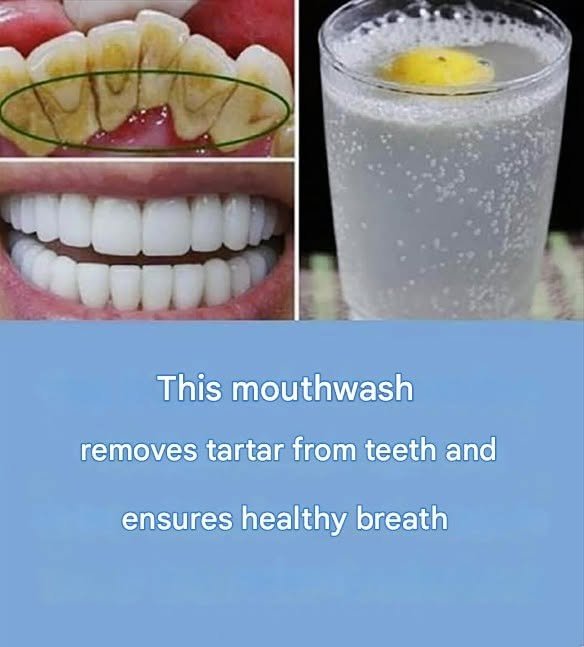
Dreaming of a Radiant Smile? Here’s the Truth About Removing Tartar Naturally
A bright, healthy smile is something many people aspire to have. It’s no surprise that the internet is filled with articles and videos promising easy, at-home solutions for removing tartar and achieving sparkling teeth without a trip to the dentist. But can tartar really be removed naturally?
The answer may not be what many people want to hear, but understanding the facts can help protect your oral health and keep your smile looking its best.
What Is Tartar?
Tartar, also known as dental calculus, is hardened plaque that forms on the teeth over time. Plaque is a sticky film of bacteria that constantly develops on the surfaces of your teeth. When plaque isn’t removed through regular brushing and flossing, it can combine with minerals in your saliva and harden into tartar.
Unlike plaque, tartar is firmly attached to the teeth and cannot be brushed away once it has formed. It often appears as yellow, brown, or even black deposits near the gumline and can contribute to bad breath, tooth discoloration, cavities, and gum disease.
Why Natural Tartar Removal Claims Are So Popular
Many online remedies claim that common household ingredients can dissolve or remove tartar. Some of the most popular suggestions include:
- Baking soda
- Vinegar
- Lemon juice
- Coconut oil pulling
- Activated charcoal
- Hydrogen peroxide mixtures
These methods are attractive because they are inexpensive and readily available. However, there is little scientific evidence showing that they can safely remove hardened tartar.
The Reality: Can Tartar Be Removed Naturally?
Once plaque has hardened into tartar, it generally cannot be removed at home. Tartar bonds tightly to the tooth surface and usually requires specialized dental instruments for safe and effective removal.
While some natural ingredients may help reduce plaque buildup or improve oral hygiene, they do not eliminate existing tartar deposits. Attempting to scrape tartar off yourself can damage tooth enamel and injure your gums, potentially leading to more serious dental problems.
Natural Ways to Prevent Tartar Buildup
Although natural remedies cannot remove tartar once it has formed, they can help reduce plaque accumulation and lower the risk of future tartar development.
1. Brush Properly Twice a Day
Brushing your teeth for at least two minutes twice daily helps remove plaque before it hardens. Use a soft-bristled toothbrush and fluoride toothpaste, paying special attention to the gumline.
2. Floss Every Day
Many areas between teeth cannot be reached by a toothbrush. Daily flossing removes plaque and food particles from these hard-to-reach spaces, reducing the chance of tartar formation.
3. Stay Hydrated
Drinking plenty of water helps wash away food debris and bacteria while supporting healthy saliva production. Saliva naturally helps protect teeth by neutralizing acids and reducing plaque buildup.
4. Limit Sugary and Starchy Foods
Bacteria thrive on sugars and carbohydrates. Reducing the consumption of sugary snacks, soft drinks, and processed foods can decrease plaque formation and improve overall oral health.
5. Eat Crunchy Fruits and Vegetables
Foods such as apples, carrots, and celery can help stimulate saliva production and provide a mild cleaning effect on tooth surfaces during chewing.
6. Use Antibacterial Mouthwash
An antibacterial mouthwash can help reduce the bacteria responsible for plaque formation, complementing your daily brushing and flossing routine.
Common Mistakes to Avoid
When searching for DIY dental solutions, it’s important to avoid practices that may harm your teeth.
Using Acidic Ingredients
Lemon juice and vinegar are highly acidic. Frequent exposure can erode tooth enamel, making teeth more sensitive and vulnerable to decay.
Scraping Teeth at Home
Using metal tools or sharp objects to remove tartar can scratch enamel and damage gum tissue, increasing the risk of infection and gum recession.
Overusing Abrasive Products
Activated charcoal and excessive baking soda use may wear down enamel over time if used too aggressively.
When Should You See a Dentist?
If you notice any of the following signs, it’s a good idea to schedule a dental examination:
- Yellow or brown deposits near the gumline
- Bleeding gums
- Persistent bad breath
- Swollen or tender gums
- Increased tooth sensitivity
Professional dental cleanings remove tartar safely and help prevent complications such as gingivitis and periodontal disease.
The Secret to a Naturally Beautiful Smile
The real secret isn’t a miracle ingredient or viral internet hack. A healthy smile comes from consistent oral hygiene, smart dietary choices, and regular dental care. While natural habits can help prevent tartar from forming, existing tartar typically requires professional removal.
By focusing on prevention rather than quick fixes, you can maintain cleaner teeth, healthier gums, and a brighter smile for years to come.
Final Thoughts
Everyone loves the idea of an easy, natural shortcut to perfect teeth. However, when it comes to tartar removal, the safest and most effective approach combines daily oral hygiene with professional dental cleanings when needed. Natural methods can support oral health and help prevent future buildup, but they should not replace evidence-based dental care.
A radiant smile is absolutely achievable—just remember that the healthiest path is often the simplest: brush, floss, eat well, stay hydrated, and take care of your teeth every day.