3 Exercises to Help Fight Leg Pain Caused by Sciatica: Effective Practices for Daily Relief
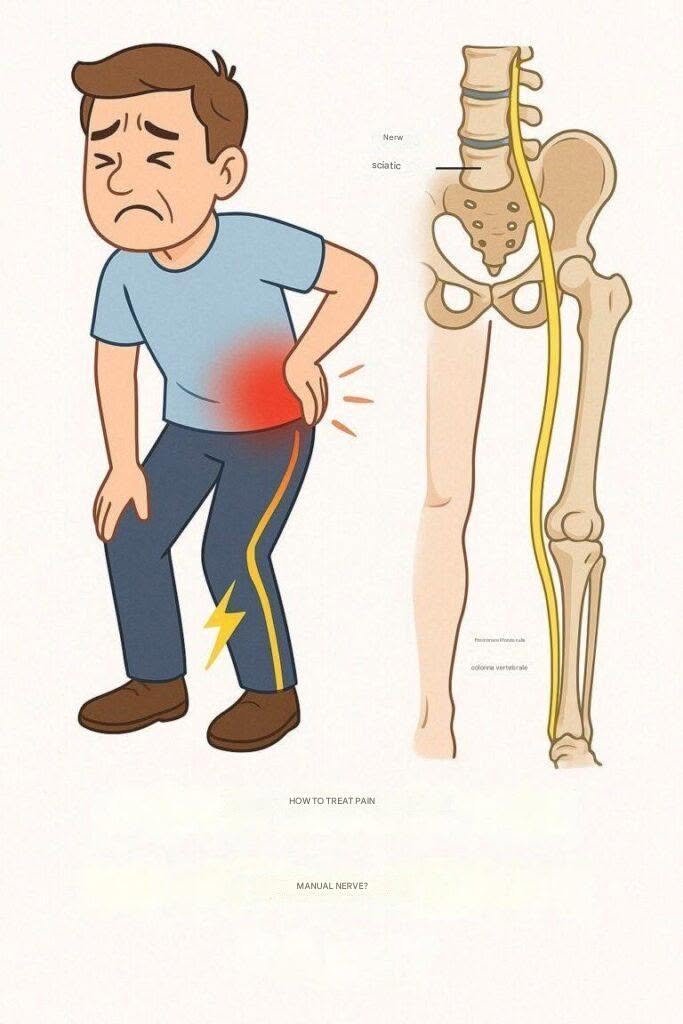
Sciatica is one of the most common causes of leg pain, affecting millions of people worldwide. The condition occurs when the sciatic nerve—the largest nerve in the body—becomes irritated or compressed. This often leads to symptoms such as pain radiating from the lower back into the buttocks, thigh, calf, or even the foot. Some people also experience numbness, tingling, or muscle weakness.
While severe or persistent sciatica should be evaluated by a healthcare professional, many people find relief through gentle stretching and mobility exercises. The key is to perform movements that reduce pressure on the sciatic nerve while improving flexibility and supporting healthy posture.
Here are three effective exercises that can help manage sciatica-related leg pain.
Understanding Why Exercise Helps Sciatica
When the sciatic nerve becomes compressed, surrounding muscles often tighten in response to pain. This can create a cycle of stiffness, reduced mobility, and increased discomfort. Carefully selected stretches can:
- Improve flexibility in the hips and lower back
- Reduce muscle tension around the sciatic nerve
- Increase blood flow to affected areas
- Support better spinal alignment
- Enhance overall mobility and function
Consistency is more important than intensity. Gentle daily practice often provides better results than aggressive stretching.
1. Knee-to-Chest Stretch
The knee-to-chest stretch is a simple exercise that helps relieve tension in the lower back and gluteal muscles. It can also create a gentle opening in the lumbar spine, reducing stress on irritated nerves.
How to Perform It
- Lie comfortably on your back on a mat or carpeted surface.
- Bend both knees and place your feet flat on the floor.
- Slowly bring one knee toward your chest.
- Hold the knee with both hands and gently pull it closer until you feel a comfortable stretch.
- Keep your shoulders relaxed and your lower back in contact with the floor.
- Hold for 20 to 30 seconds.
- Return to the starting position and switch legs.
Recommended Repetitions
- 3 to 5 repetitions per leg
- Perform once or twice daily
Benefits
- Relieves lower back tightness
- Promotes spinal mobility
- Reduces pressure on the sciatic nerve
- Helps improve flexibility in the hips and buttocks
Common Mistakes to Avoid
- Pulling the knee too aggressively
- Lifting the head or shoulders off the floor
- Holding your breath during the stretch
2. Figure 4 Piriformis Stretch
The piriformis muscle is located deep within the buttock region. In some cases, a tight piriformis can irritate or compress the sciatic nerve, contributing to pain and discomfort.
The Figure 4 stretch specifically targets this area.
How to Perform It
- Lie on your back with both knees bent.
- Cross your right ankle over your left thigh, creating a figure “4” shape.
- Reach behind your left thigh and gently pull it toward your chest.
- Continue until you feel a stretch in the right buttock and hip.
- Hold for 20 to 30 seconds.
- Slowly release and repeat on the opposite side.
Recommended Repetitions
- 3 repetitions per side
- Once or twice daily
Benefits
- Stretches the piriformis muscle
- Improves hip mobility
- Reduces buttock tightness
- May decrease pressure on the sciatic nerve
Common Mistakes to Avoid
- Forcing the stretch beyond a comfortable range
- Rounding the lower back
- Holding the position while experiencing sharp pain
3. Standing Hamstring Stretch
Tight hamstrings can place additional stress on the pelvis and lower back, potentially worsening sciatic symptoms. Stretching these muscles can improve flexibility and reduce strain on the lower body.
How to Perform It
- Stand in front of a low step, bench, or sturdy platform.
- Place one heel on the elevated surface.
- Keep your knee slightly bent and your toes pointed upward.
- Maintain a straight back.
- Slowly lean forward from the hips until you feel a gentle stretch along the back of the thigh.
- Hold for 20 to 30 seconds.
- Return to the starting position and switch legs.
Recommended Repetitions
- 3 stretches per leg
- Daily or as tolerated
Benefits
- Increases hamstring flexibility
- Reduces stress on the lower back
- Supports proper posture and movement
- May lessen radiating leg pain
Common Mistakes to Avoid
- Bouncing during the stretch
- Rounding the spine
- Locking the knee completely
Additional Tips for Managing Sciatica
Exercise is only one part of an effective sciatica management plan. Consider these additional strategies:
Stay Active
Extended bed rest can actually worsen sciatica symptoms. Gentle walking and regular movement often help maintain flexibility and circulation.
Practice Good Posture
Poor sitting posture can increase pressure on the lower spine. Use supportive seating and avoid prolonged periods of sitting whenever possible.
Strengthen Core Muscles
A strong core helps stabilize the spine and may reduce the risk of recurring sciatic symptoms.
Use Heat or Cold Therapy
Cold packs may help reduce inflammation during flare-ups, while heat can relax tight muscles and improve blood flow.
When to Seek Medical Attention
Although many cases of sciatica improve with conservative care, certain symptoms require prompt medical evaluation:
- Severe or worsening pain
- Significant leg weakness
- Loss of balance or coordination
- Numbness in the groin or genital area
- Loss of bladder or bowel control
These symptoms may indicate a more serious condition that needs immediate treatment.
Final Thoughts
Sciatica-related leg pain can interfere with daily activities, exercise, and overall quality of life. Fortunately, gentle stretches such as the Knee-to-Chest Stretch, Figure 4 Piriformis Stretch, and Standing Hamstring Stretch can help reduce discomfort and improve mobility when practiced consistently.
The goal is not to push through pain but to gradually restore flexibility and reduce pressure on the sciatic nerve. Combined with good posture, regular movement, and proper self-care, these exercises can become valuable tools in managing sciatica and supporting long-term recovery.