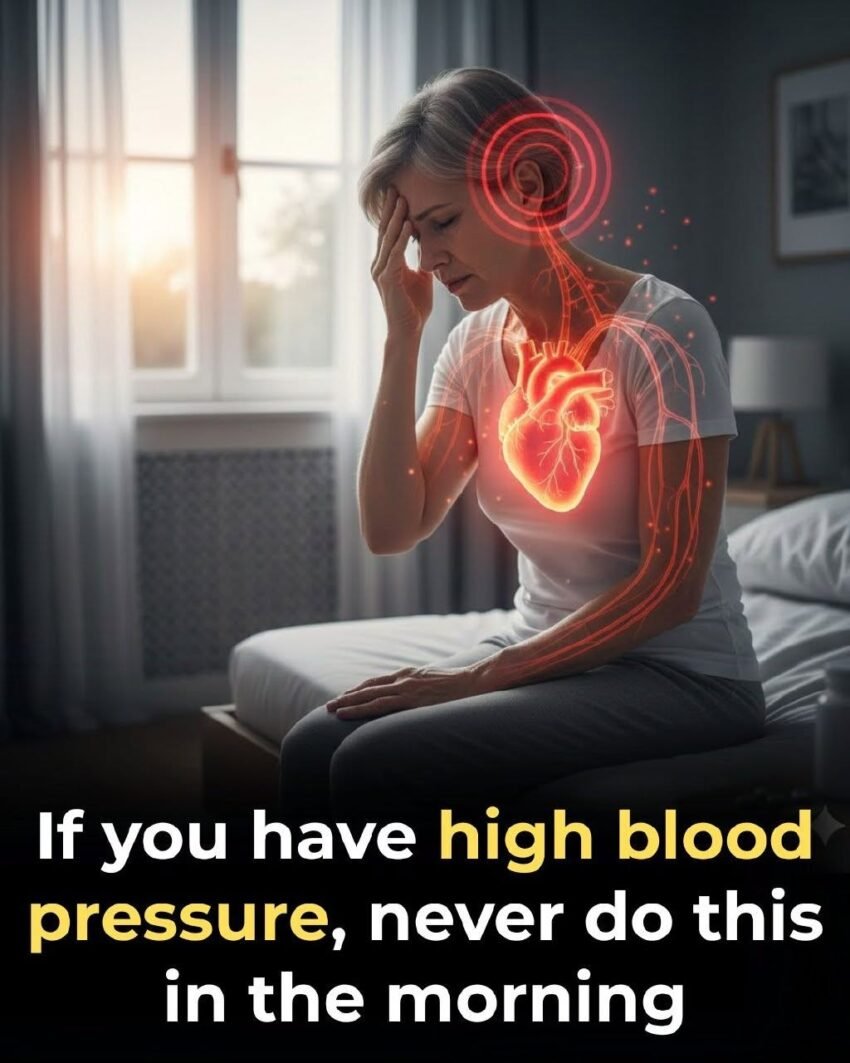
5 Signs Your Heart Is in Serious Danger – And What Your Body May Be Trying to Tell You Weeks in Advance
Heart problems often don’t appear out of nowhere. In many cases, the body sends warning signals days or even weeks before a major cardiac event. The challenge is that these symptoms can be subtle, easy to dismiss, or mistaken for something less serious like stress, indigestion, or fatigue.
While not everyone experiences early warning signs, research and clinical observations show that many people who later develop a heart attack report unusual symptoms beforehand.
The key condition people are usually concerned about here is Myocardial infarction, commonly known as a heart attack.
Below are five warning signs that may suggest your heart is under serious strain and should never be ignored.
1. Unusual Chest Pressure or Discomfort (Not Just Pain)
The most well-known warning sign is chest pain, but it’s often not as dramatic as people expect.
What it may feel like:
- Pressure, tightness, or squeezing in the chest
- A heavy or “weighted” feeling
- Discomfort that comes and goes
- Sensation may spread to shoulders, neck, jaw, or arms
Some people describe it as “an elephant sitting on the chest,” while others barely call it pain at all.
Why it matters
This can be a sign of reduced blood flow to the heart muscle (often called angina), which may precede a more serious blockage.
2. Shortness of Breath With Minimal Activity
If everyday activities suddenly leave you unusually breathless, it may be a red flag.
Possible signs:
- Getting winded while walking short distances
- Needing to stop and catch your breath more often
- Feeling like you can’t take a full breath even at rest
What’s happening
When the heart isn’t pumping efficiently, the body struggles to deliver oxygen properly, leading to breathlessness even without exertion.
3. Unexplained Fatigue That Feels “Different”
This isn’t ordinary tiredness after a long day. It’s a deeper, persistent exhaustion that doesn’t improve with rest.
Common descriptions:
- Feeling drained doing simple tasks
- Needing frequent naps or rest breaks
- Lack of energy that comes on suddenly
This symptom is especially common in women prior to heart events, though it can affect anyone.
4. Sleep Disturbances and Restlessness
Many people report changes in sleep patterns before a cardiac event.
Examples include:
- Trouble falling or staying asleep
- Waking up suddenly feeling anxious or breathless
- Restless, unrefreshing sleep
The body may already be under stress from reduced oxygen delivery or early circulatory issues.
5. Cold Sweats, Dizziness, or Nausea
These symptoms can appear days or weeks before a serious cardiac event and are often mistaken for flu, anxiety, or dehydration.
Watch for:
- Sudden cold sweats without exertion
- Lightheadedness or fainting spells
- Nausea or stomach discomfort
- Feeling “off” without a clear reason
These signs may indicate the heart is struggling to maintain proper circulation.
Important Reality Check: Symptoms Can Be Subtle—or Sudden
While some people experience early warning signs, others may have a Myocardial infarction with little to no prior symptoms. That’s why relying only on warning signs is not enough—risk factors matter just as much.
Who Is at Higher Risk?
Your chances increase if you have:
- High blood pressure
- High cholesterol
- Diabetes
- Smoking history
- Sedentary lifestyle
- Family history of heart disease
- Chronic stress
When to Seek Immediate Help
Do not wait if you experience:
- Chest pressure lasting more than a few minutes
- Shortness of breath at rest
- Pain spreading to arm, jaw, or back
- Sudden collapse or fainting
- Severe, unexplained weakness
These may indicate an emergency requiring immediate medical attention.
Final Thoughts
The body can sometimes signal heart trouble in advance, but these signs are not always obvious or consistent. Paying attention to unusual changes—especially in breathing, energy levels, chest sensations, and overall well-being—can make a real difference.
If something feels “off,” especially if it’s new or persistent, it’s worth getting checked rather than waiting for it to pass.