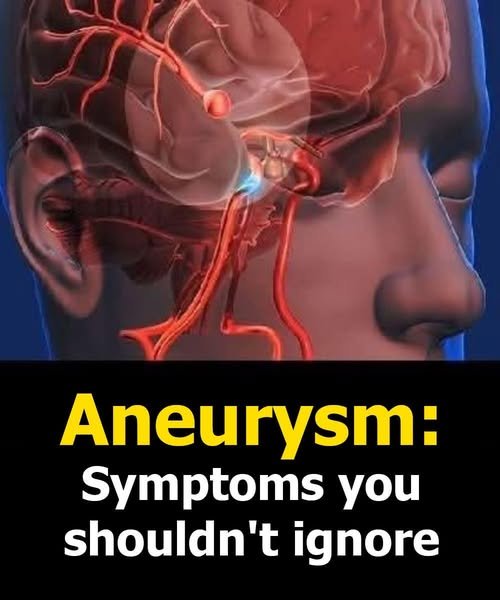
An aneurysm is a weakened area in the wall of a blood vessel that bulges outward, much like a balloon. Many aneurysms develop silently and cause no symptoms until they become large, leak, or rupture. Because a ruptured aneurysm can be life-threatening, recognizing potential warning signs is important.
What Is an Aneurysm?
An aneurysm can occur in different parts of the body, but the most common locations include:
- The brain (cerebral aneurysm)
- The aorta, the body’s largest artery (aortic aneurysm)
- Other arteries throughout the body
Not every aneurysm ruptures, and many are discovered during imaging tests performed for unrelated reasons.
Warning Signs of a Brain Aneurysm
A brain aneurysm may cause symptoms if it presses on nearby nerves or begins leaking blood.
Possible warning signs include:
Sudden, Severe Headache
People often describe it as:
- The worst headache of their life
- An explosive or thunderclap headache
- A headache that reaches maximum intensity within seconds or minutes
This symptom requires immediate emergency evaluation.
Vision Problems
You may experience:
- Blurred vision
- Double vision
- Loss of vision in one eye
Pain Around the Eye
Some aneurysms can cause:
- Pain behind the eye
- Pain above the eye
- Eye movement problems
Drooping Eyelid
A drooping eyelid can occur if an aneurysm affects nearby nerves.
Numbness or Weakness
Symptoms may involve:
- One side of the face
- An arm or leg
- Difficulty speaking
These symptoms should never be ignored.
Warning Signs of an Abdominal Aortic Aneurysm
An abdominal aneurysm occurs in the section of the aorta that passes through the abdomen.
Possible symptoms include:
Deep Abdominal Pain
The pain may:
- Be persistent
- Feel throbbing
- Occur near the belly button
Back Pain
Some people experience:
- Lower back pain
- Pain that doesn’t improve with rest
- Pain that gradually worsens
Pulsating Sensation in the Abdomen
Some individuals notice a rhythmic pulsing feeling in the stomach area.
Warning Signs of a Thoracic Aortic Aneurysm
A thoracic aneurysm affects the portion of the aorta within the chest.
Symptoms may include:
- Chest pain
- Upper back pain
- Hoarseness
- Persistent cough
- Shortness of breath
- Difficulty swallowing
Because these symptoms overlap with many other conditions, medical evaluation is important.
Signs of a Ruptured Aneurysm
A ruptured aneurysm is a medical emergency.
Possible symptoms include:
- Sudden severe headache
- Loss of consciousness
- Seizures
- Sudden severe chest pain
- Sudden severe abdominal pain
- Rapid heartbeat
- Dizziness
- Shock
- Difficulty breathing
Call emergency services immediately if these symptoms occur.
Who Is at Higher Risk?
Risk factors can include:
- High blood pressure
- Smoking
- Older age
- Family history of aneurysms
- Certain inherited connective tissue disorders
- Atherosclerosis (hardening of the arteries)
When to Seek Medical Attention
Seek urgent medical care if you experience:
- A sudden severe headache
- New neurological symptoms
- Unexplained chest pain
- Sudden severe abdominal or back pain
- Loss of consciousness
Even if symptoms turn out to have another cause, prompt evaluation can be critical.
The Bottom Line
Many aneurysms cause no symptoms until they become dangerous. Sudden severe headache, unexplained neurological symptoms, persistent chest or abdominal pain, and signs of rupture should never be ignored. Early detection and treatment can significantly improve outcomes.
This article is for educational purposes only and is not a substitute for professional medical advice. If you think you may be experiencing symptoms of an aneurysm, seek immediate medical care.