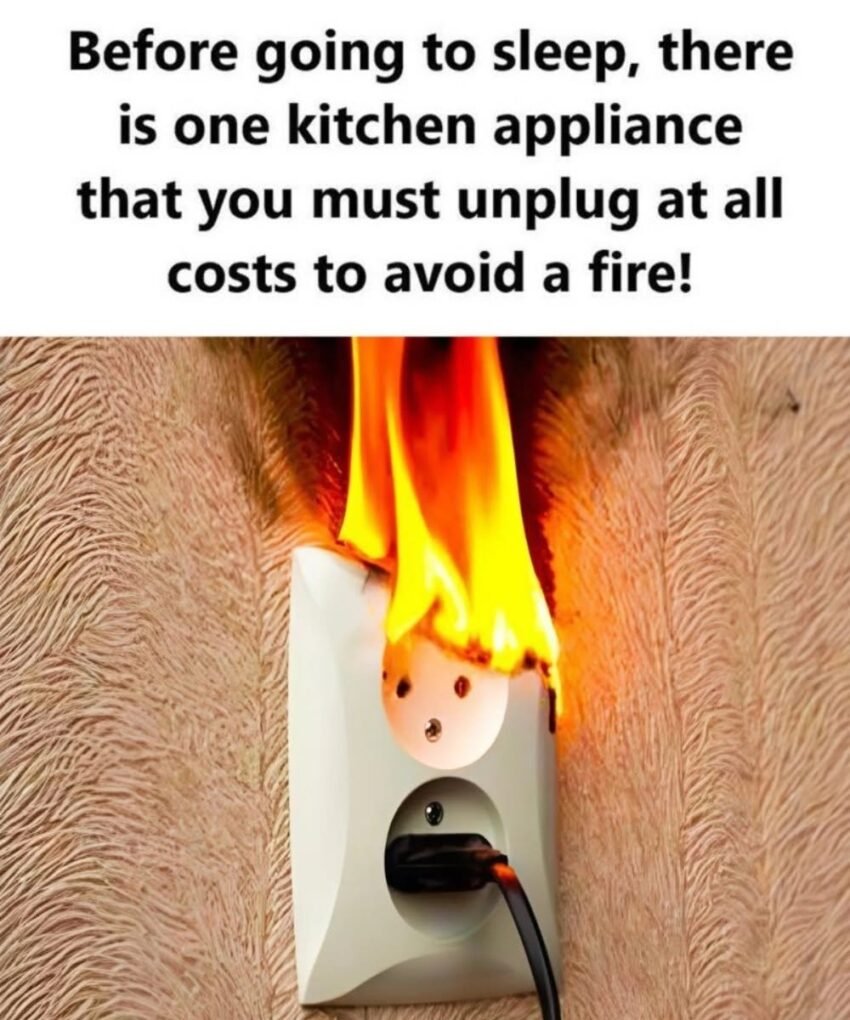
The Kitchen Appliance You Should Always Unplug at Night to Help Prevent House Fires
Modern kitchen appliances make daily life easier, but they also introduce potential fire hazards if not used and maintained properly. One appliance that safety experts often recommend paying special attention to is the toaster.
While most toasters operate safely for years, they contain heating elements that generate high temperatures and can become a fire risk under certain conditions, especially if crumbs accumulate or if the appliance develops an electrical fault.
Why Toasters Deserve Extra Attention
A toaster may seem harmless sitting on the counter, but it combines:
- High heat
- Electrical components
- Flammable food particles
Over time, crumbs can collect inside the appliance. If enough debris builds up and the toaster malfunctions, the risk of smoke or fire increases.
Reasons to Unplug a Toaster When Not in Use
1. Reduces Electrical Fault Risks
Like any electrical appliance, a toaster can experience:
- Internal wiring failures
- Short circuits
- Component degradation
Unplugging removes power completely, reducing the chance of an electrical malfunction while the appliance is unattended.
2. Prevents Accidental Activation
Although uncommon, accidental activation can occur through:
- Mechanical failure
- Curious children
- Pets interacting with controls
Removing the plug eliminates this possibility.
3. Protects Against Power Surges
Electrical surges can damage appliances and, in rare cases, contribute to overheating or electrical problems.
4. Encourages Better Maintenance
People who unplug and store or inspect their toaster regularly are more likely to notice:
- Crumb buildup
- Damaged cords
- Burn marks
- Signs of wear
Other Kitchen Appliances Worth Monitoring
While toasters often receive attention, other appliances can also pose risks if damaged or improperly used:
- Air fryers
- Toaster ovens
- Coffee makers
- Electric kettles
- Slow cookers
- Microwave ovens
Always follow the manufacturer’s safety instructions.
Fire Prevention Tips for the Kitchen
Clean Appliances Regularly
Remove:
- Crumbs
- Grease
- Food residue
Built-up debris can increase fire risk.
Inspect Power Cords
Replace or stop using appliances with:
- Frayed wires
- Cracked insulation
- Loose connections
Avoid Overloaded Outlets
Plug high-power appliances directly into properly rated outlets whenever possible.
Keep Flammable Items Away
Never place:
- Paper towels
- Dishcloths
- Packaging
- Curtains
Near heating appliances.
Replace Damaged Appliances
If an appliance sparks, smells like burning plastic, or repeatedly trips breakers, have it inspected or replaced.
Is the Toaster the Only Appliance You Should Unplug?
Not necessarily. There is no single appliance that guarantees fire prevention simply by unplugging it. However, appliances that generate heat—such as toasters, toaster ovens, and air fryers—generally deserve extra caution when not in use.
The Bottom Line
The toaster is often cited as a kitchen appliance worth unplugging when not in use because it combines high heat, electrical components, and combustible crumbs. While modern appliances are designed with safety features, unplugging heat-producing appliances when practical, keeping them clean, and maintaining them properly can help reduce fire risks and provide additional peace of mind.
No single safety tip can eliminate all fire hazards, but good appliance maintenance and safe electrical practices