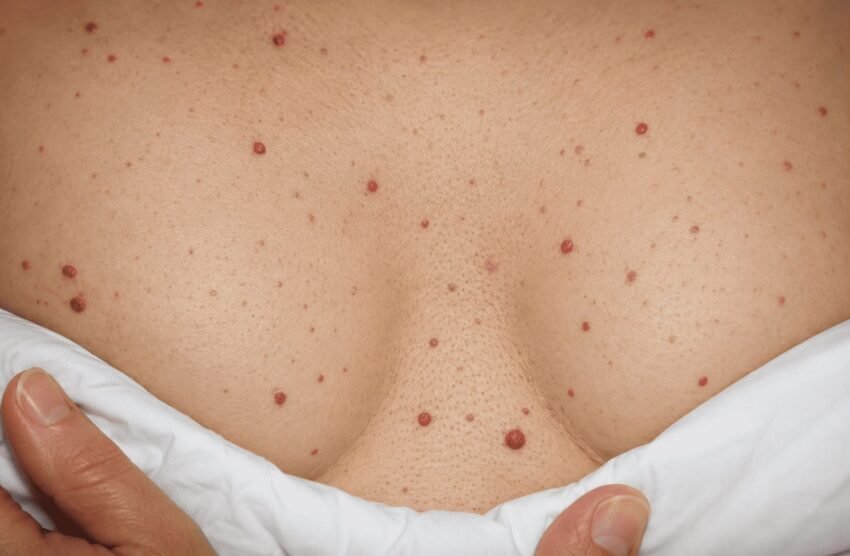
Have you ever noticed a tiny red spot on your skin that seemed to appear out of nowhere?
At first, it may look harmless—a small red dot on your arm, chest, back, or legs. You might assume it’s a pimple, an insect bite, or a minor skin irritation. But then weeks pass, and it’s still there. Sometimes more spots appear, leaving you wondering whether it’s something normal or a sign of an underlying health issue.
The truth is that mysterious red spots on the skin can have many different causes. Some are completely harmless, while others may signal an infection, allergic reaction, or medical condition that deserves attention.
Understanding the difference can help you make informed decisions about your health and know when it’s time to seek professional medical advice.
Why Do Red Spots Appear on the Skin?
Your skin is the body’s largest organ and often acts as a window into what’s happening internally. Red spots typically develop when blood vessels become more visible, inflammation occurs, or the skin reacts to an external or internal trigger.
The appearance of these spots can vary significantly:
- Tiny pin-sized dots
- Raised red bumps
- Flat patches
- Bright cherry-red spots
- Clusters of small red marks
The cause often depends on the size, shape, texture, and location of the spots.
Common Causes of Red Spots
1. Cherry Angiomas
One of the most common causes of small bright-red spots is a condition known as a cherry angioma.
These are tiny growths made up of small blood vessels that gather near the surface of the skin.
Characteristics
- Bright red or dark red color
- Usually round in shape
- Often appear on the chest, abdomen, back, or arms
- Common after age 30
- Typically painless
Many people become concerned when they notice these spots, but cherry angiomas are generally harmless and do not require treatment unless they bleed frequently or cause cosmetic concerns.
2. Petechiae
Petechiae are very small red, purple, or brown spots caused by bleeding under the skin.
Unlike many rashes, these spots usually do not fade or turn white when pressed.
Possible Causes
- Intense coughing
- Vomiting
- Physical strain
- Certain infections
- Blood-clotting disorders
- Some medications
While occasional petechiae may not be serious, sudden widespread petechiae should be evaluated by a healthcare professional.
3. Heat Rash
Heat rash occurs when sweat becomes trapped beneath the skin.
It is especially common during:
- Hot weather
- High humidity
- Intense exercise
- Wearing tight clothing
Symptoms
- Small red bumps
- Itching
- Mild burning sensation
- Skin irritation
Heat rash often improves once the skin cools and remains dry.
4. Allergic Reactions
The immune system can react to various substances, resulting in red spots or rashes.
Common triggers include:
- Foods
- Medications
- Cosmetics
- Soaps
- Laundry detergents
- Plants
- Insect bites
The skin may become:
- Red
- Itchy
- Swollen
- Inflamed
In severe cases, allergic reactions may require immediate medical attention.
5. Folliculitis
Hair follicles can become irritated or infected, resulting in small red bumps.
This condition often develops due to:
- Shaving
- Friction
- Excessive sweating
- Bacterial infection
Folliculitis commonly appears on:
- Legs
- Face
- Scalp
- Chest
- Back
Most mild cases resolve on their own with proper hygiene.
6. Eczema and Dermatitis
Inflammatory skin conditions frequently cause red patches and spots.
Common Symptoms
- Dry skin
- Itching
- Flaking
- Cracking
- Redness
Triggers vary from person to person and may include stress, allergens, weather changes, or skin irritants.
7. Psoriasis
Psoriasis is a chronic autoimmune condition that accelerates skin-cell production.
It often causes:
- Red patches
- Silvery scales
- Dry skin
- Itching
Although there is no cure, treatment can help manage symptoms effectively.
Could Red Spots Be Related to Aging?
Yes.
As people age, various skin changes naturally occur.
Blood vessels become more visible, collagen production decreases, and benign skin growths become more common.
Cherry angiomas, for example, affect a large percentage of adults and are often considered a normal part of aging.
Lifestyle Factors That May Contribute
Several everyday habits may influence skin health.
Excessive Sun Exposure
Ultraviolet radiation can damage blood vessels and skin tissue over time.
Poor Nutrition
Deficiencies in certain vitamins and minerals may affect skin integrity and healing.
Stress
Chronic stress can worsen inflammatory skin conditions and trigger flare-ups.
Smoking
Smoking reduces circulation and accelerates skin aging.
Lack of Sleep
Poor sleep may contribute to inflammation and slower skin repair.
When Should You See a Doctor?
Most red spots are harmless, but certain warning signs should never be ignored.
Seek medical evaluation if red spots:
- Appear suddenly and spread rapidly
- Are accompanied by fever
- Cause significant pain
- Bleed repeatedly
- Change shape or color
- Persist without explanation
- Occur with unexplained bruising
- Are associated with difficulty breathing or severe swelling
These symptoms may indicate a condition requiring prompt medical attention.
How Are Red Spots Diagnosed?
Healthcare providers typically begin with a physical examination.
They may ask questions about:
- Recent illnesses
- Medications
- Allergies
- Family medical history
- Lifestyle factors
In some cases, additional testing may include:
- Blood tests
- Allergy testing
- Skin biopsy
- Imaging studies
The specific evaluation depends on the suspected cause.
Treatment Options
Treatment varies according to the underlying condition.
Possible approaches include:
For Allergic Reactions
- Avoiding triggers
- Antihistamines
- Prescription medications
For Skin Infections
- Antibiotic creams
- Antifungal treatments
- Improved hygiene measures
For Inflammatory Conditions
- Moisturizers
- Topical corticosteroids
- Specialized prescription therapies
For Cherry Angiomas
Treatment is usually unnecessary, though cosmetic removal options may include:
- Laser therapy
- Electrocautery
- Cryotherapy
Protecting Your Skin
Healthy skin habits can reduce irritation and support overall skin health.
Consider:
✓ Wearing sunscreen daily
✓ Staying hydrated
✓ Eating a balanced diet
✓ Managing stress
✓ Using gentle skincare products
✓ Avoiding excessive scratching
✓ Scheduling routine health checkups
Final Thoughts
Finding mysterious red spots on your skin can be concerning, especially when they appear unexpectedly. Fortunately, many causes—from cherry angiomas to heat rash and mild irritation—are harmless and easily managed.
However, your skin often provides important clues about your overall health. Paying attention to changes, monitoring symptoms, and seeking medical advice when necessary can help identify potential problems early.
The key is not to panic—but not to ignore persistent or unusual changes either.
Understanding what these red spots may represent is the first step toward protecting your skin and maintaining your long-term health.
When in doubt, a professional medical evaluation is always the safest way to determine exactly what’s causing changes in your skin.