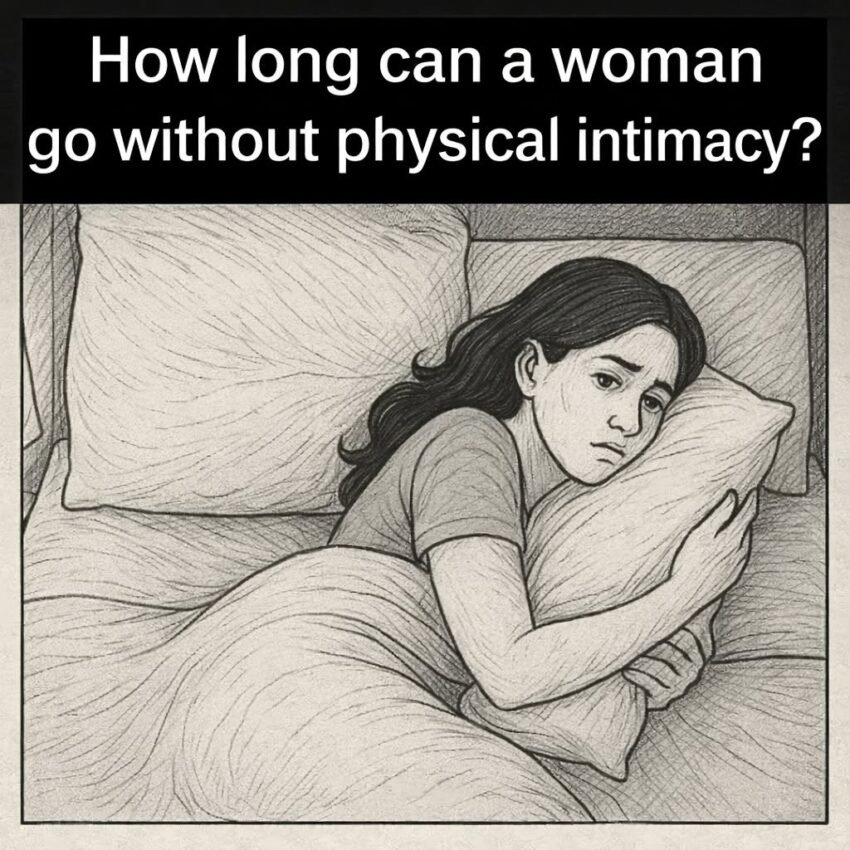
There isn’t a biological “expiration limit” for how long a woman can live without physical intimacy. A woman can live her entire life without sexual or physical intimacy and still be completely healthy in a physical sense. The more meaningful question isn’t “how long can she live?” but rather “how might the absence of intimacy affect her body, mind, and emotional well-being?”—and the answer varies widely from person to person.
Below is a blog-style breakdown to make it clearer.
Living Without Physical Intimacy: What It Really Means
Physical intimacy can include sex, touch, hugging, kissing, cuddling, or any form of affectionate human contact. For some people it’s a core emotional need; for others, it’s less important or even unwanted at certain life stages.
So the impact of not having it depends less on gender and more on:
- personality
- relationship status
- emotional support system
- physical health
- libido (sexual desire level)
- cultural and personal values
Can a Woman Physically Survive Without Intimacy?
Yes. Absolutely.
From a medical standpoint:
- There is no requirement for sexual activity to maintain life.
- Hormonal systems continue functioning without sex.
- Reproductive organs do not “shut down” from lack of use.
Even long-term abstinence does not cause illness by itself.
However, the body and mind are deeply connected, so indirect effects can appear depending on the individual.
Emotional and Psychological Effects
This is where the topic becomes more nuanced.
For some women, a lack of physical intimacy may lead to:
- feelings of loneliness
- emotional distance from partners (if in a relationship)
- lower mood or increased stress
- reduced self-esteem or feeling “unwanted”
- increased craving for affection or touch
But for others:
- it may feel completely neutral
- it may bring relief (especially after trauma or stressful relationships)
- it may support focus on personal goals, career, or healing
- it may align with asexual identity or personal choice
So there is no universal emotional outcome.
Physical Health Considerations (Indirect Effects)
While sex itself is not required for health, certain related factors can influence well-being:
1. Stress and Hormones
Intimacy can temporarily reduce stress hormones and increase bonding hormones like oxytocin. Without it, a person may need other stress-relief tools like exercise, social bonding, or relaxation practices.
2. Sleep and Mood
Some people experience better sleep and mood after physical closeness. Without intimacy, those benefits may need to come from other routines.
3. Pelvic Health
Sex is not required for pelvic health. However, in some cases, sexual activity can support comfort or circulation—but it is not essential, and there are alternative medical approaches if needed.
Relationships Matter More Than Sex Alone
A key point often overlooked is this:
A woman can be in a sexless phase but still feel deeply fulfilled if she has:
- emotional connection
- friendship and support
- affection (non-sexual touch)
- meaningful communication
- a sense of belonging
Conversely, a person can have sexual activity but still feel emotionally lonely.
Why Some Women Go Long Periods Without Intimacy
This can happen for many normal reasons:
- being single by choice or circumstance
- focus on career or education
- postpartum or caregiving responsibilities
- health conditions
- grief, trauma recovery, or emotional healing
- long-distance relationships
- low or changing libido with age or stress
None of these automatically indicate a problem.
When It Might Become a Concern
It may be worth paying attention if lack of intimacy is accompanied by:
- persistent sadness or depression
- feeling unwanted or emotionally disconnected
- anxiety or irritability linked to loneliness
- loss of confidence in relationships
In such cases, the issue is usually not “lack of sex” itself, but unmet emotional needs.
Healthy Ways to Cope Without Physical Intimacy
If someone is in a long period without intimacy, well-being can still be supported through:
- close friendships and social interaction
- regular exercise (boosts mood hormones)
- therapy or emotional support if needed
- affectionate non-sexual touch (hugging, pets, family bonds)
- hobbies and meaningful goals
- mindfulness or stress-reduction practices
Bottom Line
A woman can live indefinitely without physical intimacy and remain physically healthy. The real impact depends on how important intimacy is to her emotionally and whether her other needs for connection, affection, and support are being met.
In short:
It’s not about survival—it’s about quality of life, and that varies widely from person to person.
If you want, I can also explain how long-term absence of intimacy affects libido, hormones, or relationships in more scientific detail.