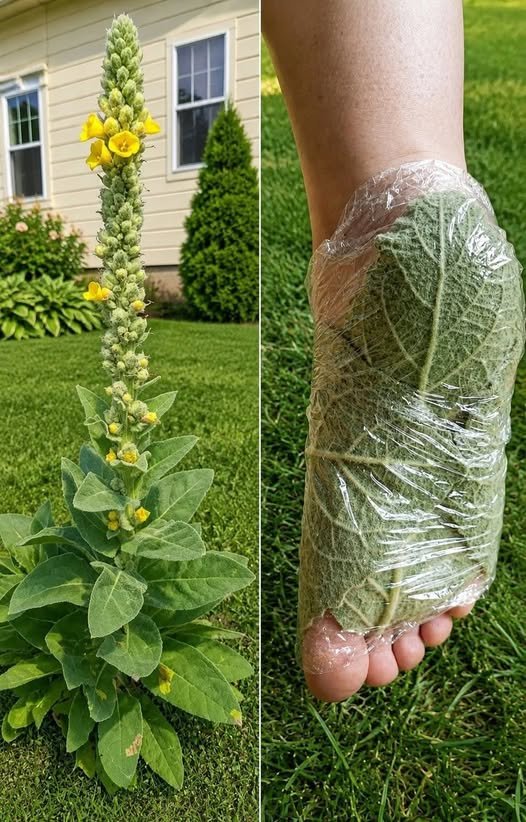
“Everybody Has This Plant, But Most People Don’t Know Its Secret Power” — The Truth Behind the Viral Claim
It’s a familiar headline: a common plant, sitting quietly in homes everywhere, supposedly hiding a “secret power” that most people don’t know about. The phrasing is designed to spark curiosity immediately—because it makes you feel like you’ve been overlooking something important in your own house.
But once you strip away the hype, these claims almost always follow the same pattern: a simple plant is given exaggerated abilities that don’t hold up under real evidence.
The “mystery plant” formula
These posts rarely start with science or specifics. Instead, they rely on suspense:
- “Everybody has this plant…”
- “Ancient secret…”
- “Doctors don’t tell you this…”
- “One leaf can change everything…”
But they often avoid clearly naming the plant until later—because the mystery is part of the engagement strategy.
Once revealed, it’s usually something common like aloe vera, mint, basil, or a household decorative plant.
What these plants actually can do
Common household plants are genuinely useful—but in realistic, grounded ways:
🌿 Aloe vera
- Soothing gel for minor skin irritation or burns
- Moisturizing properties
- Widely used in skincare products
🌿 Mint
- Helps with digestion and flavoring food
- Contains aromatic compounds that can feel refreshing
🌿 Basil
- Culinary herb with antioxidants
- Used in traditional cooking and herbal remedies
These are practical, modest benefits—not hidden “miracle powers.”
Where the “secret power” idea goes wrong
Viral claims usually exaggerate in three ways:
1. Turning traditional use into medical cures
Just because a plant is used in folk remedies doesn’t mean it cures diseases.
2. Oversimplifying biology
One plant cannot “detox the body,” “reverse illness overnight,” or “replace medical treatment.”
3. Using dramatic before-and-after storytelling
A small natural benefit gets stretched into life-changing transformation.
Why these claims spread so easily
There’s a reason these posts perform well online:
- People like simple solutions
- Natural remedies feel safer than medicine
- “Hidden knowledge” feels exciting
- The claims are easy to understand and share
But popularity doesn’t equal accuracy.
The real “secret” of most houseplants
If there is a real takeaway, it’s much less dramatic but still valuable:
Plants can improve:
- Indoor air feel and humidity balance (slightly)
- Mental well-being and relaxation
- Aesthetic environment and stress levels
In other words, their “power” is subtle, environmental, and psychological—not magical or medical.
Bottom line
The idea that a common household plant has a hidden, extraordinary healing power is almost always marketing dressed up as mystery.
The truth is simpler: plants are useful, calming, and beneficial in everyday ways—but they don’t perform miracles.