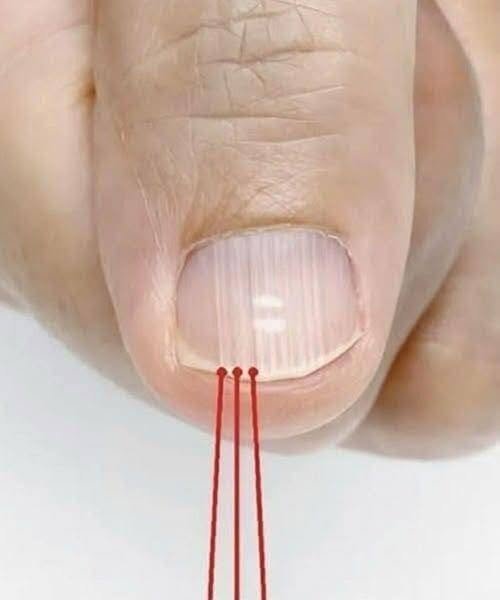
Noticed lines on your nails after age 40? Learn the common causes of vertical and horizontal nail ridges, when they’re normal, and when you should consult a healthcare professional.
If You Have These Lines on Your Nails After 40: What They Could Mean
As we get older, our bodies go through many natural changes—including changes in our nails. One of the most common concerns people notice after the age of 40 is the appearance of lines or ridges on their fingernails. While these changes are often harmless and simply part of the aging process, certain types of nail lines can sometimes signal an underlying health issue.
Understanding the difference between normal age-related nail changes and signs that require medical attention can help you take better care of your overall health.
In this article, we’ll explain the different types of nail lines, their possible causes, and when it’s a good idea to consult a healthcare professional.
Why Do Nails Change with Age?
Your fingernails are made of keratin, the same protein found in your hair and the outer layer of your skin. As you age, nail growth slows, moisture decreases, and the nail plate may become thinner or more brittle.
These natural changes can lead to:
- Vertical ridges
- Dry or brittle nails
- Slight discoloration
- Slower nail growth
- Increased splitting or peeling
For many adults over 40, these changes are a normal part of aging.
1. Vertical Ridges (The Most Common Type)
Vertical ridges run from the base of the nail to the tip.
They are very common in adults over 40 and usually aren’t a cause for concern.
Possible causes include:
- Natural aging
- Mild dehydration of the nail
- Dry skin
- Minor nail trauma
- Genetics
Keeping your nails moisturized and protecting them from harsh chemicals may improve their appearance, though they often cannot be completely eliminated.
2. Horizontal Lines (Beau’s Lines)
Horizontal grooves that stretch across the nail are known as Beau’s lines.
These grooves may appear after the nail temporarily stops growing due to:
- A severe illness
- High fever
- Major surgery
- Significant physical stress
- Certain medications
- Injury to the nail
If multiple nails develop Beau’s lines without an obvious reason, it’s a good idea to discuss this with a healthcare provider.
3. White Lines or Spots
Small white spots are usually harmless.
They are often caused by:
- Minor nail injuries
- Manicures
- Pressure on the nail
Persistent white lines across several nails may occasionally be associated with certain medical conditions, though many benign causes are more common.
4. Dark Lines Under the Nail
A single dark brown or black line running lengthwise under a nail should not be ignored, especially if:
- It is new.
- It becomes wider over time.
- It has irregular borders.
- The pigment extends onto the surrounding skin.
Although many dark streaks are harmless, they can occasionally be a sign of subungual melanoma, a rare form of skin cancer. Prompt medical evaluation is important if you notice these changes.
5. Yellow Nails
Yellow nails may result from:
- Aging
- Nail polish staining
- Fungal nail infections
- Smoking
In some cases, persistent yellow nails may be associated with certain medical conditions and should be evaluated if they don’t improve.
Could Nail Lines Be Linked to Nutritional Deficiencies?
Healthy nails require a balanced diet.
In some people, brittle nails or changes in nail appearance may be associated with inadequate intake of nutrients such as:
- Iron
- Vitamin B12
- Zinc
- Protein
- Folate
However, nail changes alone cannot diagnose a vitamin deficiency. A healthcare provider may recommend testing if other symptoms are present.
When Should You See a Doctor?
Most nail ridges after age 40 are harmless.
However, seek medical advice if you notice:
- A new dark streak on one nail
- Rapid changes in nail color or shape
- Pain, swelling, or infection
- Nails separating from the nail bed
- Deep horizontal grooves affecting several nails
- Persistent nail changes accompanied by fatigue, weight loss, or other unexplained symptoms
A healthcare professional can determine whether further evaluation is needed.
Tips for Keeping Your Nails Healthy
Simple habits can help maintain healthy nails as you age:
- Eat a balanced diet rich in vitamins and minerals.
- Keep nails clean and dry.
- Moisturize your hands and cuticles regularly.
- Wear gloves when using cleaning products.
- Avoid biting or picking at your nails.
- Trim nails regularly.
- Avoid excessive use of harsh nail polish removers.
Frequently Asked Questions
Are vertical nail ridges normal after 40?
Yes. Vertical ridges are very common with aging and are usually considered a normal change.
Can dehydration cause nail ridges?
Dryness and reduced moisture may make existing ridges more noticeable, although aging remains the most common cause.
Should I worry about horizontal lines?
Horizontal grooves may develop after illness, injury, or significant physical stress. If they appear without a clear reason or affect several nails, consult a healthcare provider.
Can vitamins remove nail ridges?
If ridges are related to a nutritional deficiency, treating that deficiency may help. However, age-related ridges usually cannot be completely eliminated.
Final Thoughts
Seeing lines on your nails after age 40 can be surprising, but in most cases, vertical ridges are simply a normal part of aging. Healthy lifestyle habits, proper nail care, and good nutrition can help keep your nails strong and looking their best.
However, certain nail changes—such as new dark streaks, deep horizontal grooves, or rapidly changing nail appearance—should not be ignored. If you’re unsure about any nail changes, a healthcare professional can evaluate them and determine whether further testing or treatment is needed.
Medical Disclaimer: This article is for informational purposes only and is not a substitute for professional medical advice, diagnosis, or treatment. If you notice unusual nail changes or have concerns about your health, consult a qualified healthcare provider.