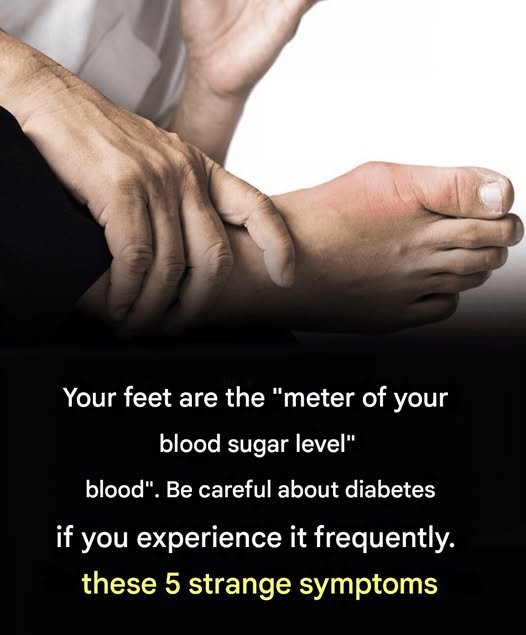
Night-time can make high blood sugar (hyperglycemia) feel more noticeable because your body is resting, distractions are gone, and hormone patterns shift. But it’s important to keep expectations realistic: diabetes doesn’t “suddenly change at 10pm”—what changes is how symptoms are felt and sometimes how glucose behaves overnight.
Here’s a clear blog-style breakdown of 7 common night-time signs of high blood sugar.
🌙 Diabetes Symptoms at Night: 7 Signs High Blood Sugar May Be Worse After 10pm
When blood sugar stays elevated, the body struggles to balance fluids, energy use, and sleep regulation. At night, these effects can feel stronger.
1. 🚽 Frequent nighttime urination (nocturia)
One of the most common night-time signs.
What happens:
High blood sugar makes the kidneys pull extra glucose into urine, dragging water with it.
You may notice:
- Waking up multiple times to urinate
- Larger-than-normal urine volume
- Disrupted sleep cycles
2. 💧 Excess thirst that wakes you up
This often goes hand-in-hand with frequent urination.
Why it happens:
Fluid loss from urination triggers strong thirst signals.
Signs:
- Dry mouth at night
- Waking up craving water
- Feeling “parched” even after drinking fluids
3. 😴 Restless or broken sleep
High glucose can interfere with sleep quality.
What you might feel:
- Difficulty staying asleep
- Light, shallow sleep
- Waking up feeling unrefreshed
Reason:
Blood sugar fluctuations can activate stress hormones like cortisol and adrenaline.
4. 🔥 Night sweats or overheating
Some people experience unusual warmth or sweating at night.
Possible cause:
The body’s attempt to regulate high glucose can affect the autonomic nervous system.
Symptoms:
- Damp sheets or pillow
- Sudden heat sensations
- Restlessness during sleep
5. 🦶 Tingling or burning in feet/hands
This is more common in long-standing or poorly controlled blood sugar.
Why it feels worse at night:
Less distraction = increased awareness of nerve irritation.
Sensations:
- Pins and needles
- Burning feeling in feet
- “Electric” discomfort when lying still
6. 🍽️ Late-night hunger or cravings
High blood sugar doesn’t always stop hunger signals properly.
What you might notice:
- Craving carbs or sweets at night
- Feeling hungry shortly after eating dinner
- Difficulty feeling “satisfied”
7. 😵 Headache or blurry vision at night
Fluid shifts and glucose changes can affect the brain and eyes.
Possible signs:
- Mild evening headaches
- Blurry or fluctuating vision
- Eye strain when using screens at night
⚠️ Important reality check
These symptoms do not automatically mean diabetes.
They can also be caused by:
- Too much fluid intake before bed
- Stress or anxiety
- Poor sleep habits
- Certain medications
- Caffeine or late meals
Diagnosis requires proper blood glucose testing, not symptoms alone.
🧠 Why symptoms feel worse at night
A few key reasons:
- Fewer distractions → you notice sensations more
- Hormones like cortisol change overnight
- Body is fasting for hours → glucose imbalances show more clearly
- Lying down can increase awareness of circulation and nerve symptoms
🧾 Bottom line
Night-time symptoms like thirst, frequent urination, restless sleep, and tingling can be warning signs of elevated blood sugar, especially if they happen regularly. But they are not a diagnosis by themselves.
If these symptoms are consistent or worsening, a simple blood sugar test (fasting or HbA1c) is the only reliable way to confirm what’s going on.