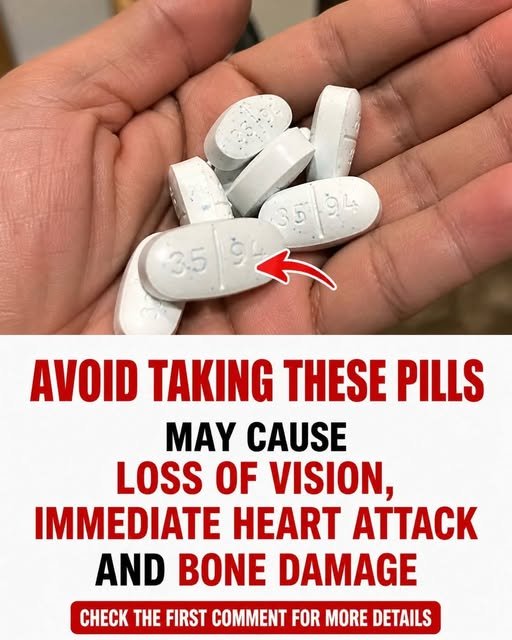
That claim certain tablets “cause blood clots and heart attacks” can be alarming, but the reality is often more nuanced. Some medications are associated with an increased risk of blood clots, heart attacks, or stroke in certain people, while others may be safe and beneficial when used appropriately under medical supervision.
Medications Commonly Associated With Increased Clotting Risk
Examples include:
Certain Birth Control Pills
Some combined oral contraceptives containing estrogen may increase the risk of blood clots, especially in people who:
- Smoke
- Are over age 35
- Have obesity
- Have a personal or family history of clotting disorders
Hormone Replacement Therapy (HRT)
Some forms of hormone therapy used during menopause can increase the risk of blood clots, particularly oral formulations.
Certain Pain Relievers (NSAIDs)
Some nonsteroidal anti-inflammatory drugs (NSAIDs), such as Ibuprofen and prescription NSAIDs, may slightly increase the risk of heart attack or stroke, particularly when used at high doses or for long periods.
What Is a Blood Clot?
A blood clot is a collection of blood that forms inside a blood vessel. Dangerous clots can occur in veins or arteries and may lead to serious conditions such as:
- Deep Vein Thrombosis (DVT)
- Pulmonary Embolism (PE)
- Heart attack
- Stroke
Warning Signs That Require Immediate Medical Attention
Seek emergency medical care if you experience symptoms such as:
- Sudden chest pain
- Shortness of breath
- Coughing up blood
- Sudden weakness on one side of the body
- Difficulty speaking
- Severe leg swelling, redness, or pain
These symptoms may indicate a medical emergency.
Important Context
A medication’s risks must always be weighed against its benefits. For example, birth control pills are highly effective for preventing pregnancy and treating certain medical conditions, despite their small increase in clotting risk for some users.
Never stop a prescribed medication solely because of a headline or social media post. Discuss concerns with your healthcare professional, who can help you understand your personal level of risk and whether alternative treatments are appropriate.
The Bottom Line
Some tablets can increase the risk of blood clots, heart attacks, or stroke in certain individuals, but risk varies depending on the medication, dosage, duration of use, and personal health factors. If you’re concerned about a specific medication, consult your healthcare professional or pharmacist for guidance tailored to your situation.