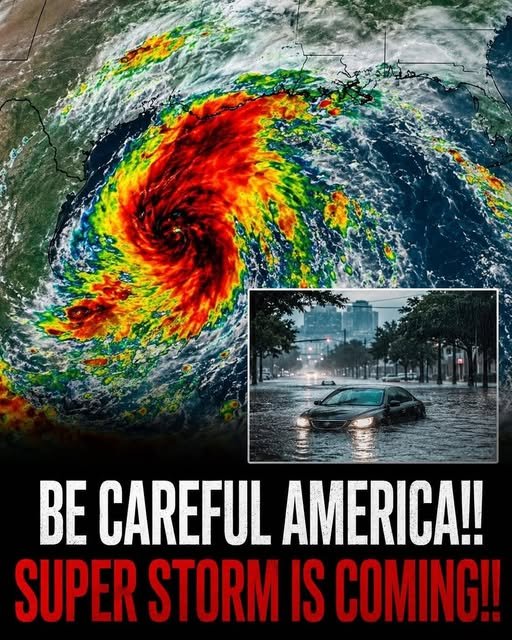
“BE CAREFUL AMERICA!!! Super Storm Is Coming!!” — What You Should Actually Know
Every time severe weather starts trending online, posts like “Super Storm is coming!! Floods all over America!!” begin spreading fast. They’re dramatic, attention-grabbing, and designed to trigger panic.
But here’s the important part: vague storm warnings on social media are not reliable weather forecasts.
Let’s break down what’s real, what’s exaggerated, and what you should actually do when you see posts like this.
The Truth About “Super Storm” Claims
There is no official weather classification called a “super storm” used by meteorological agencies. It’s a social media phrase, not a scientific one.
Real weather systems are named and categorized by official organizations such as:
- National Weather Service
- National Hurricane Center
These agencies do not issue warnings like “floods all over America.” Instead, they provide specific, location-based alerts.
What Real Storm Warnings Actually Look Like
When a serious weather event is approaching, official alerts include details such as:
- Exact regions affected (cities, counties, states)
- Type of hazard (flood, hurricane, tornado, blizzard)
- Timing (when it will start and end)
- Severity level (watch, warning, emergency)
- Safety instructions
For example:
- “Flash Flood Warning for Harris County until 6 PM”
- “Hurricane Warning issued for coastal Florida”
If a post doesn’t include this level of detail, it’s not a verified forecast.
Why Posts Like This Go Viral
Fear-based weather posts spread quickly for a few simple reasons:
1. Emotional Impact
Words like “super storm,” “danger,” and “floods everywhere” trigger immediate attention.
2. Lack of Specifics
Vague statements can be shared anywhere, so they feel “universal,” even when they are false.
3. Social Media Algorithms
Platforms often boost content that gets strong reactions—especially fear, shock, or urgency.
The Real Risk: Misinformation Panic
The biggest problem with exaggerated storm posts isn’t just that they’re inaccurate—it’s that they can cause unnecessary panic.
People may:
- Overreact without real danger
- Ignore actual local warnings later
- Share misinformation further
- Confuse real alerts with fake ones
How to Stay Safe and Informed
Instead of reacting to viral posts, always rely on trusted sources:
Official Weather Updates
- National Weather Service
- National Hurricane Center
What You Should Do
- Check your local weather forecast regularly
- Enable emergency alerts on your phone
- Follow official government weather pages
- Avoid sharing unverified storm warnings
A Simple Rule to Remember
If a storm warning:
- Doesn’t mention a specific location
- Doesn’t come from an official source
- Sounds overly dramatic or global
…it’s almost certainly not a real forecast.
Final Thoughts
Severe weather is real and should always be taken seriously—but only when it comes from credible, specific, and official warnings.
The internet often amplifies fear faster than facts. Staying calm, checking sources, and verifying information is the best way to stay truly safe during any weather event.