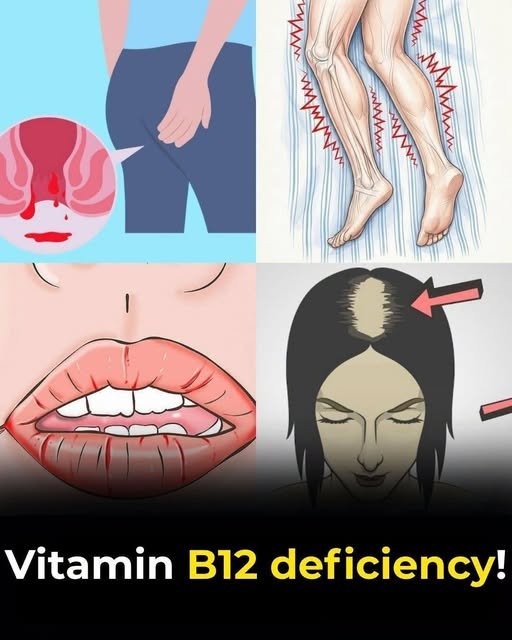
8 Strange Signs Your Body Is Begging for Vitamin B12
Vitamin B12 is one of the most important nutrients for maintaining healthy nerves, producing red blood cells, and supporting brain function. Yet millions of people—especially older adults, vegetarians, vegans, and those with certain digestive conditions—may not get enough of it.
What makes a vitamin B12 deficiency particularly tricky is that the symptoms often develop gradually and can be mistaken for normal aging, stress, or other health issues. In some cases, the warning signs can seem downright strange.
Here are eight unusual signs that may indicate your body is crying out for more vitamin B12.
1. Tingling or “Pins and Needles” in Your Hands and Feet
Do your fingers or toes sometimes feel numb, tingly, or as though they’re being lightly shocked?
Vitamin B12 helps maintain the protective covering around nerves, known as the myelin sheath. When B12 levels drop too low, nerve function can be affected, leading to unusual sensations in the extremities.
This symptom may come and go at first, but over time it can become more persistent if the deficiency is not addressed.
Watch for:
- Numbness in hands or feet
- Burning sensations
- Reduced sensitivity to touch
- Difficulty sensing temperature changes
2. You’re Constantly Exhausted—Even After Sleeping
Everyone feels tired occasionally, but vitamin B12 deficiency can cause a deep, lingering fatigue that doesn’t improve with rest.
B12 is essential for producing healthy red blood cells, which carry oxygen throughout the body. Without enough B12, your tissues may receive less oxygen, leaving you feeling drained and weak.
Common clues:
- Low energy throughout the day
- Shortness of breath during routine activities
- Weakness and reduced stamina
- Difficulty completing everyday tasks
3. Memory Problems and Brain Fog
Have you been forgetting names, misplacing items, or struggling to concentrate?
Low vitamin B12 levels can affect brain function and cognitive performance. Some people describe it as feeling mentally “foggy” or unable to think clearly.
Symptoms may include:
- Forgetfulness
- Difficulty focusing
- Slower thinking
- Increased confusion
Because these symptoms can resemble age-related cognitive decline, they’re sometimes overlooked.
4. Your Tongue Looks Smooth, Red, or Painful
One of the lesser-known signs of vitamin B12 deficiency can appear right inside your mouth.
A condition called glossitis may cause the tongue to become swollen, smooth, shiny, red, or tender.
You may notice:
- Burning sensations on the tongue
- Increased sensitivity to spicy foods
- Mouth discomfort
- Changes in taste perception
Sometimes oral symptoms appear before more obvious signs develop.
5. Unusual Mood Changes
Vitamin B12 doesn’t just affect your body—it can also influence your emotional well-being.
Researchers believe B12 plays a role in the production of brain chemicals involved in mood regulation.
Potential warning signs:
- Irritability
- Anxiety
- Low mood
- Increased emotional sensitivity
While mood changes can have many causes, a vitamin deficiency is one possibility worth investigating.
6. Pale or Slightly Yellow-Tinted Skin
A vitamin B12 deficiency may interfere with normal red blood cell production, which can affect skin appearance.
Some individuals develop a pale complexion, while others may notice a subtle yellow tint due to changes in the breakdown of red blood cells.
Look for:
- Unusual paleness
- Yellowish skin tone
- Reduced skin vibrancy
- General unhealthy appearance
These changes often occur gradually and may be difficult to recognize at first.
7. Dizziness and Balance Problems
If you frequently feel lightheaded or unsteady on your feet, vitamin B12 deficiency could be a contributing factor.
Nerve damage caused by low B12 levels can affect coordination and balance, increasing the risk of falls—especially in older adults.
Possible symptoms:
- Feeling off-balance
- Dizziness when standing
- Difficulty walking steadily
- Frequent stumbling
Because balance issues can have many causes, professional evaluation is important.
8. Changes in Vision
In severe or prolonged cases, vitamin B12 deficiency may affect the optic nerve, which transmits visual information from the eyes to the brain.
Although uncommon, some people experience:
- Blurred vision
- Double vision
- Difficulty focusing
- Visual disturbances
Any sudden or significant vision changes should be evaluated promptly by a healthcare professional.
Who Is Most at Risk?
Certain groups are more likely to develop vitamin B12 deficiency, including:
- Adults over age 60
- Vegetarians and vegans
- People with digestive disorders
- Individuals who have undergone stomach or intestinal surgery
- Long-term users of certain medications that affect nutrient absorption
Because B12 is found primarily in animal-based foods, dietary choices can also play a major role.
How to Get More Vitamin B12
Good dietary sources include:
- Fish
- Meat
- Poultry
- Eggs
- Milk and dairy products
- Fortified cereals and plant-based foods
For some individuals, supplements or B12 injections may be recommended by a healthcare provider.
The Bottom Line
Vitamin B12 deficiency can cause a surprisingly wide range of symptoms, from fatigue and memory problems to tingling hands, mood changes, and balance issues. Because these warning signs often develop slowly, many people dismiss them as part of aging or everyday stress.
If you recognize several of these symptoms, consider discussing them with a healthcare professional. A simple blood test can often help determine whether vitamin B12 deficiency may be playing a role.
Disclaimer: This article is for educational purposes only and is not a substitute for professional medical advice, diagnosis, or treatment. Always consult a qualified healthcare provider regarding health concerns or before starting supplements.