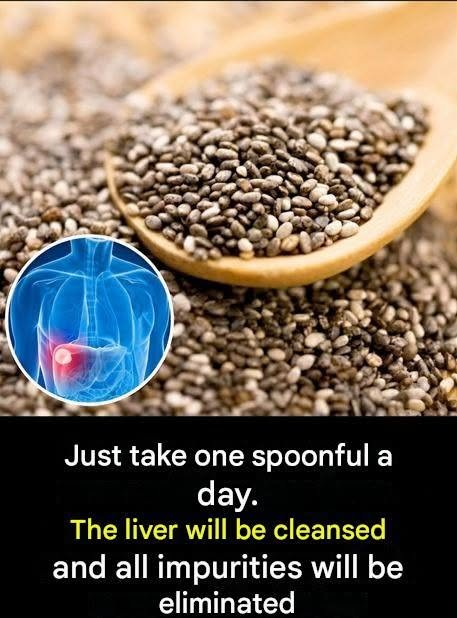
In today’s world, it’s easy to be drawn to headlines promising miracle foods and instant health transformations. One claim that frequently appears online is that just one spoonful of chia seeds a day can cleanse your liver and remove all impurities from your body. While this sounds appealing, the truth is more balanced—and still impressive.
Chia seeds are among the most nutrient-dense foods you can add to your diet. Although they won’t detoxify your liver, they provide essential nutrients that support overall health and can be a valuable part of a balanced eating pattern.
What Are Chia Seeds?
Chia seeds are tiny black and white seeds harvested from the Salvia hispanica plant, which is native to Central America. Once prized by ancient civilizations for their ability to provide lasting energy, chia seeds have become popular worldwide thanks to their impressive nutritional profile.
Despite their small size, they are packed with fiber, plant-based protein, healthy fats, vitamins, minerals, and antioxidants.
Nutritional Benefits of Chia Seeds
A single serving of chia seeds provides a variety of nutrients that help support the body’s normal functions.
Some of the key nutrients include:
- Dietary fiber for digestive health
- Omega-3 fatty acids that support heart health
- Plant-based protein for muscle maintenance
- Calcium for strong bones and teeth
- Magnesium for healthy muscle and nerve function
- Phosphorus for bone and cellular health
- Antioxidants that help protect cells from oxidative stress
These nutrients make chia seeds an easy way to improve the nutritional quality of your meals.
How Chia Seeds May Support Your Health
1. Promote Healthy Digestion
One of chia seeds’ greatest strengths is their high fiber content. Fiber helps maintain regular bowel movements, supports a healthy gut microbiome, and may help you feel full for longer after meals.
2. Support Heart Health
Chia seeds are rich in alpha-linolenic acid (ALA), a plant-based omega-3 fatty acid. Diets that include omega-3-rich foods may help support cardiovascular health as part of an overall healthy lifestyle.
3. Help with Weight Management
Because chia seeds absorb water and form a gel-like texture, they can increase feelings of fullness. Including them in meals may help reduce unnecessary snacking when combined with a balanced diet.
4. Support Healthy Blood Sugar Levels
The fiber in chia seeds slows digestion, which may help reduce rapid spikes in blood sugar after meals. However, chia seeds are not a treatment for diabetes and should not replace medical care.
5. Strengthen Bones
Chia seeds contain calcium, magnesium, and phosphorus—three important minerals involved in maintaining healthy bones and teeth.
Can Chia Seeds Cleanse the Liver?
This is one of the biggest myths surrounding chia seeds.
Your liver is already an efficient detoxification organ. It continuously filters blood, processes nutrients, breaks down medications, and removes waste products. There is no strong scientific evidence that eating chia seeds—or any single food—can “cleanse” the liver or eliminate toxins from the body.
However, a diet rich in fiber, healthy fats, fruits, vegetables, whole grains, and regular physical activity can support overall liver health.
Easy Ways to Eat Chia Seeds
Adding chia seeds to your daily routine is simple.
Try them by:
- Mixing them into smoothies
- Sprinkling them over yogurt
- Adding them to oatmeal
- Making chia pudding
- Stirring them into soups or salads
- Mixing them into homemade bread or muffins
Many people soak chia seeds before eating them, which gives them a soft, gel-like consistency.
How Much Should You Eat?
Most adults can enjoy 1–2 tablespoons (about 15–30 grams) of chia seeds per day as part of a balanced diet. If you’re new to high-fiber foods, start with a smaller amount and drink plenty of water to help prevent digestive discomfort.
Are There Any Side Effects?
Chia seeds are generally safe for most people. However, because they are high in fiber, eating large amounts too quickly may cause bloating or gas. People with swallowing difficulties should avoid consuming dry chia seeds by themselves, as they expand when they absorb liquid.
If you take blood-thinning medication or have a medical condition, consult your healthcare provider before making major dietary changes.
Final Thoughts
Chia seeds are a nutritional powerhouse that can support digestive health, heart health, and overall wellness. While they are not a miracle food and do not cleanse the liver, they are an excellent addition to a healthy, balanced diet.
Instead of looking for quick fixes, focus on consistent healthy habits. Eating nutrient-rich foods like chia seeds, staying physically active, getting enough sleep, and limiting excess alcohol can do far more for your long-term health than any so-called “detox” food ever could.