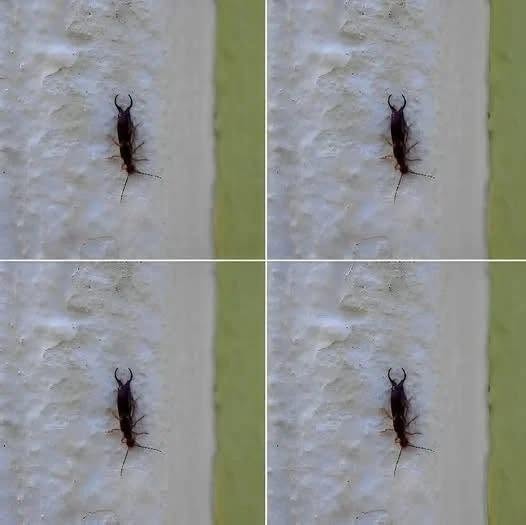
Seeing certain insects in your home doesn’t mean immediate danger—but it can be an early warning sign of hygiene, moisture, or structural issues that should be addressed.
Let’s break it down properly.
First: what “this insect” usually refers to
Viral warnings typically point to one of these common household pests:
- Cockroaches
- Termites
- Bed bugs
- Ant infestations
- Silverfish
Each one tells a different story about what might be happening in your home.
Why insects appear indoors in the first place
Insects don’t appear randomly. They are usually attracted by:
- Food crumbs or open food containers
- Moisture and leaks
- Warm, dark hiding places
- Cracks in walls or flooring
- Poor ventilation
So the insect is often a symptom, not the real problem.
The most concerning household invaders
🪳 Cockroaches
Cockroaches are among the most common “warning” insects.
They can indicate:
- Hidden food waste
- Moist environments (like under sinks)
- Poor sealing in kitchens or drains
They can carry bacteria, so their presence should be taken seriously if repeated.
🐜 Termites
Termite are more serious because they can damage your home structure silently.
Warning signs include:
- Small mud-like tunnels on walls
- Hollow-sounding wood
- Discarded wings near windows
They often go unnoticed until damage becomes significant.
🛏️ Bed bugs
Bed bug usually appear in sleeping areas.
Signs include:
- Small itchy bites in a line or cluster
- Dark spots on mattresses
- Musty odor in severe cases
They do not spread disease, but they are extremely persistent.
🪶 Silverfish
Silverfish are harmless to humans but indicate humidity issues.
They feed on:
- Paper
- Clothing
- Starch-based materials
Their presence often signals damp conditions.
What you should do immediately
If you notice any of these insects:
1. Don’t ignore repeated sightings
One insect can be accidental. Multiple sightings suggest an infestation.
2. Check moisture sources
Look for:
- Leaky pipes
- Damp corners
- Poor ventilation in bathrooms or kitchens
3. Clean food sources
- Store food in sealed containers
- Avoid leaving crumbs overnight
- Clean drains regularly
4. Seal entry points
- Close wall cracks
- Fix gaps around doors and windows
- Install mesh screens if needed
When to call a professional
You should contact pest control if:
- Insects keep returning after cleaning
- You see them during the day (often a sign of heavy infestation)
- You notice structural signs (especially in the case of termites)
Final takeaway
Seeing an insect in your home is not automatically an emergency—but it is a signal worth paying attention to. Most infestations start small and become serious only when ignored.
The key is simple: observe, identify, and act early.
If you want, I can turn this into:
- a viral “warning post” for social media
- a checklist for pest prevention
- or a detailed guide on identifying different household insects quickly