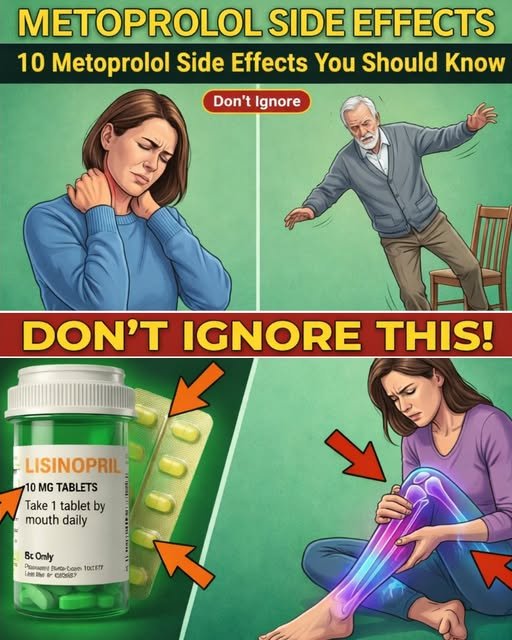
Metoprolol is one of the most commonly prescribed medications for treating high blood pressure, chest pain (angina), heart failure, and certain abnormal heart rhythms. It belongs to a class of drugs called beta-blockers, which work by slowing the heart rate and reducing the heart’s workload.
For many people, metoprolol is both safe and effective. However, like all medications, it can cause side effects. Most are mild and improve as your body adjusts to the medicine, while others may require prompt medical attention.
Here are 10 important metoprolol side effects you should know about.
1. Fatigue and Tiredness
Feeling unusually tired is one of the most common side effects when starting metoprolol.
Because the medication slows your heart rate and lowers blood pressure, some people experience:
- Low energy
- Daytime sleepiness
- Reduced exercise tolerance
- General weakness
These symptoms often improve after a few weeks as your body adapts.
When to call your doctor: If fatigue is severe, persistent, or interferes with daily activities.
2. Dizziness or Lightheadedness
Metoprolol lowers blood pressure, which can sometimes cause dizziness—especially when standing up quickly.
You may notice:
- Feeling faint
- Lightheadedness
- Unsteadiness
- Blurred vision when standing
To reduce this risk:
- Stand up slowly.
- Stay well hydrated unless you’ve been told to limit fluids.
- Sit or lie down if you feel faint.
3. Slow Heart Rate (Bradycardia)
Since metoprolol is designed to slow the heart, it can occasionally reduce the heart rate too much.
Symptoms may include:
- Extreme fatigue
- Dizziness
- Fainting
- Shortness of breath
- Chest discomfort
A significantly slow heart rate should be evaluated by a healthcare professional.
4. Cold Hands and Feet
Reduced blood flow to the extremities can make your hands and feet feel:
- Cold
- Numb
- Tingling
This side effect is usually mild but may be more noticeable during cold weather.
5. Digestive Problems
Some people experience mild gastrointestinal symptoms, including:
- Nausea
- Diarrhea
- Constipation
- Stomach discomfort
Taking metoprolol with food, if recommended by your healthcare provider, may help reduce stomach upset.
6. Shortness of Breath or Wheezing
Although metoprolol is relatively selective for the heart, it can sometimes affect the airways, particularly at higher doses or in people with asthma or chronic lung disease.
Seek medical advice if you develop:
- Wheezing
- Persistent cough
- Difficulty breathing
- Chest tightness
Do not stop the medication suddenly without medical guidance.
7. Sleep Changes
Some people report:
- Trouble sleeping
- Vivid dreams
- Nightmares
- Restless sleep
These effects are generally uncommon and may improve over time.
8. Depression or Mood Changes
Mood changes have been reported by some people taking beta-blockers, although research has not consistently shown that metoprolol directly causes depression.
If you notice:
- Persistent sadness
- Loss of interest in activities
- Significant mood changes
Discuss these symptoms with your healthcare provider, as they may have multiple possible causes.
9. Sexual Side Effects
Some people may experience:
- Reduced libido
- Difficulty achieving or maintaining an erection
- Sexual performance concerns
These symptoms are not experienced by everyone and may also be influenced by underlying cardiovascular disease or other medications.
If sexual side effects become troublesome, your healthcare provider can discuss possible treatment options or medication adjustments.
10. Low Blood Pressure (Hypotension)
Metoprolol can lower blood pressure more than intended in some individuals.
Symptoms include:
- Dizziness
- Fainting
- Blurred vision
- Weakness
- Confusion
Severe or persistent symptoms should be evaluated promptly.
Rare but Serious Side Effects
Although uncommon, seek immediate medical care if you experience:
- Fainting
- Severe shortness of breath
- Chest pain
- Swelling of the face, lips, tongue, or throat
- Signs of a severe allergic reaction
- New or worsening heart failure symptoms, such as increasing leg swelling or sudden weight gain
Important Safety Tips
To use metoprolol safely:
- Take it exactly as prescribed.
- Do not stop taking it suddenly unless instructed by your healthcare provider. Abrupt discontinuation can increase the risk of chest pain, heart attack, or abnormal heart rhythms in some people.
- Keep follow-up appointments so your blood pressure and heart rate can be monitored.
- Tell your healthcare provider about all prescription medications, over-the-counter medicines, and supplements you take, as some can interact with metoprolol.
Frequently Asked Questions
How long do metoprolol side effects last?
Many common side effects, such as fatigue or dizziness, improve within a few days to several weeks after starting treatment. If symptoms persist or worsen, consult your healthcare provider.
Can I drink alcohol while taking metoprolol?
Alcohol may increase dizziness or lightheadedness because it can also lower blood pressure. Ask your healthcare provider whether alcohol is appropriate for your specific situation.
Is metoprolol safe for long-term use?
Yes. Many people take metoprolol safely for years under medical supervision. Regular checkups help ensure the medication continues to be effective and well tolerated.
Should I stop metoprolol if I have side effects?
No. Never stop metoprolol abruptly without medical advice. If you’re experiencing bothersome side effects, contact your healthcare provider to discuss whether a dose adjustment or a different medication may be appropriate.
Final Thoughts
Metoprolol has helped millions of people manage high blood pressure and heart disease while reducing the risk of serious cardiovascular complications. Although side effects can occur, most are mild and manageable, and serious reactions are uncommon.
The key is to understand what to expect, monitor for symptoms that need medical attention, and maintain regular communication with your healthcare provider. If you have concerns about how metoprolol is affecting you, don’t stop taking it on your own—speak with your clinician to determine the safest course of action.