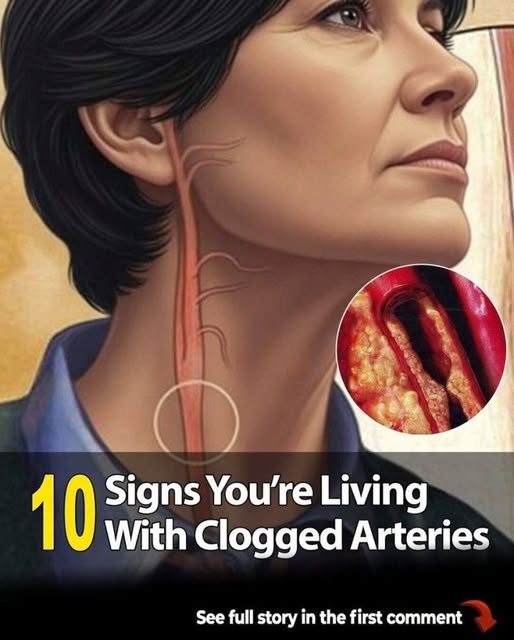
Your arteries play a vital role in keeping your body healthy by carrying oxygen-rich blood from your heart to your organs, muscles, and tissues. Over time, however, fatty deposits known as plaque can build up inside the arteries, causing them to narrow and harden—a condition called atherosclerosis. As blood flow becomes restricted, your risk of heart attack, stroke, and other serious cardiovascular problems increases.
The challenge is that blocked arteries often develop gradually, and many people don’t realize there’s a problem until symptoms become severe. Recognizing the warning signs early can help you seek medical attention before a life-threatening event occurs.
Here are 10 common indicators of blocked arteries you shouldn’t ignore.
1. Chest Pain or Discomfort (Angina)
One of the most recognizable symptoms of blocked arteries is chest pain, also known as angina. This discomfort may feel like pressure, tightness, heaviness, squeezing, or burning in the chest. It often occurs during physical activity or emotional stress when the heart requires more oxygen than narrowed arteries can provide.
The pain may spread to the shoulders, arms, neck, jaw, or back and usually improves with rest. Persistent or severe chest pain requires immediate medical evaluation.
2. Shortness of Breath
If your heart isn’t receiving enough oxygen-rich blood, it may struggle to pump effectively. This can leave you feeling unusually short of breath, even during activities that once felt easy.
Some people also experience difficulty breathing while lying flat or wake up gasping for air during the night. Shortness of breath, especially when accompanied by chest discomfort, should never be ignored.
3. Pain in the Legs While Walking
Blocked arteries don’t only affect the heart. Reduced blood flow to the legs can cause a condition called peripheral artery disease (PAD).
A common symptom is cramping, aching, or fatigue in the calves, thighs, or hips while walking. The discomfort usually improves after resting but returns with activity. This symptom deserves medical attention because PAD also increases the risk of heart attack and stroke.
4. Persistent Fatigue
Feeling constantly tired without a clear explanation may sometimes be related to reduced blood flow. When your heart has to work harder to pump blood through narrowed arteries, your body may receive less oxygen and energy than it needs.
Although fatigue has many possible causes, persistent or unexplained exhaustion—especially when combined with other symptoms—should be evaluated by a healthcare professional.
5. Pain in the Neck, Jaw, Shoulder, or Arm
Heart-related pain isn’t always limited to the chest. Some people experience discomfort in the left arm, both arms, shoulders, neck, jaw, or upper back.
These symptoms may occur during activity or even at rest. In women, older adults, and people with diabetes, these less typical symptoms can be more common than classic chest pain.
6. Dizziness or Lightheadedness
Reduced blood flow can sometimes affect the brain, causing dizziness, faintness, or episodes of lightheadedness.
If these symptoms occur suddenly, especially alongside chest pain, weakness, trouble speaking, or vision changes, seek emergency medical care immediately.
7. Cold or Numb Extremities
Poor circulation caused by narrowed arteries may reduce blood flow to the hands and feet.
You may notice:
- Cold feet or hands
- Numbness or tingling
- Slow-healing cuts or sores
- Weak pulse in the legs or feet
These symptoms may indicate circulation problems that deserve medical evaluation.
8. Erectile Dysfunction
In some men, erectile dysfunction can be an early warning sign of cardiovascular disease.
Healthy blood flow is necessary to achieve and maintain an erection. Narrowed arteries may reduce circulation long before heart-related symptoms become obvious.
Discussing this symptom with a healthcare provider can help identify underlying causes and guide appropriate treatment.
9. Sudden Weakness or Difficulty Speaking
If plaque blocks blood flow to the brain or a clot forms, it can trigger a stroke.
Warning signs include:
- Sudden weakness or numbness, especially on one side of the body
- Difficulty speaking or understanding speech
- Vision changes
- Loss of balance or coordination
- Severe sudden headache
These symptoms require emergency medical attention. Time is critical.
10. Heart Palpitations or Irregular Heartbeat
Some people with heart disease notice fluttering, pounding, racing, or skipped heartbeats.
While palpitations are often harmless, they can sometimes signal underlying heart conditions, especially if accompanied by dizziness, chest pain, or fainting.
Who Is Most at Risk?
Several factors increase the likelihood of developing blocked arteries, including:
- High blood pressure
- High cholesterol
- Smoking or tobacco use
- Diabetes
- Obesity
- Physical inactivity
- Family history of heart disease
- Older age
- An unhealthy diet high in saturated and trans fats
Managing these risk factors can significantly reduce the chances of developing cardiovascular disease.
How to Help Protect Your Arteries
Although some risk factors cannot be changed, many healthy habits support cardiovascular health:
- Eat a balanced diet rich in fruits, vegetables, whole grains, legumes, lean proteins, and healthy fats.
- Exercise regularly, aiming for at least 150 minutes of moderate activity each week, if appropriate for you.
- Maintain a healthy weight.
- Avoid smoking and limit alcohol intake.
- Manage blood pressure, cholesterol, and blood sugar with lifestyle changes and prescribed medications when needed.
- Get regular medical checkups, especially if you have risk factors or a family history of heart disease.
Final Thoughts
Blocked arteries often develop silently over many years. Paying attention to symptoms such as chest pain, shortness of breath, leg pain while walking, unexplained fatigue, or sudden neurological symptoms can help identify problems before they become life-threatening.
While these signs don’t always mean you have blocked arteries, they should never be dismissed. If you experience persistent symptoms—or sudden symptoms such as chest pain or signs of a stroke—seek medical care promptly. Early diagnosis and treatment can greatly improve outcomes.