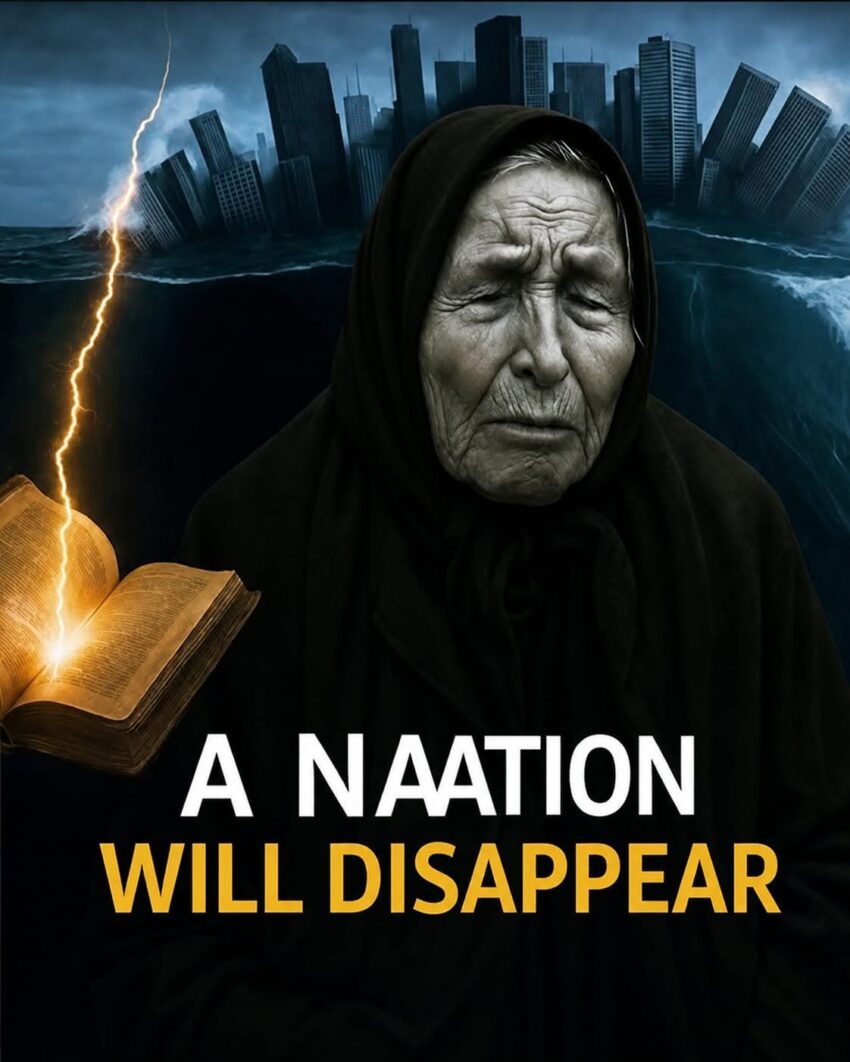
For decades, the name Baba Vanga has fascinated people around the world. Every year, social media lights up with posts claiming that one of her predictions has “finally come true.” Whether it’s global conflicts, technological breakthroughs, or natural disasters, many believe her prophecies are unfolding before our eyes.
But how much of this is fact, and how much is hindsight? Let’s explore the mystery.
Who Was Baba Vanga?
Born in 1911 in what is now North Macedonia, Baba Vanga, whose real name was Vangeliya Pandeva Gushterova, reportedly lost her eyesight during childhood after a violent storm. She later became known as a mystic who claimed to receive visions about the future.
Throughout her lifetime, thousands of people—including politicians and ordinary citizens—visited her seeking guidance. After her death in 1996, interest in her predictions only grew stronger.
Why Are People Saying Her Prophecy Makes Sense Now?
Recent global events have prompted many people to revisit her alleged predictions. Supporters often point to themes such as:
- Rising geopolitical tensions.
- Rapid advances in artificial intelligence.
- Climate-related disasters.
- Economic uncertainty.
- Major shifts in global power.
Because these topics dominate today’s headlines, some believe they align with prophecies attributed to Baba Vanga.
However, it’s important to note that many of the predictions circulating online were never published in verified records during her lifetime. They are often shared years later through secondary sources, making their authenticity difficult to confirm.
The Power of Vague Predictions
One reason Baba Vanga’s prophecies continue to attract attention is their broad wording.
For example, statements such as:
- “A great conflict will change the world.”
- “Technology will transform humanity.”
- “Nature will strike unexpectedly.”
can potentially fit many different events across decades.
Psychologists refer to this tendency as people finding personal or specific meaning in general statements, especially after major events have occurred.
Predictions Commonly Shared Online
Several predictions are repeatedly linked to Baba Vanga, including claims about:
Artificial Intelligence
With AI becoming part of everyday life—from virtual assistants to advanced research—many believe this matches stories attributed to Baba Vanga about machines becoming increasingly influential.
Climate Change
Record-breaking temperatures, floods, droughts, and storms have fueled claims that her warnings about Earth’s changing climate were prophetic.
Global Conflicts
Whenever international tensions increase, social media users frequently resurface alleged predictions about wars and political instability.
Again, most of these claims cannot be independently verified as authentic statements she actually made.
Why Do These Stories Spread So Quickly?
There are several reasons:
- People naturally search for patterns during uncertain times.
- Prophecies provide dramatic narratives that are easy to share.
- Social media algorithms amplify sensational content.
- Many websites repeat unverified claims without citing original evidence.
As a result, the same prediction may appear on hundreds of websites, giving the impression that it has been confirmed even when it hasn’t.
Did Baba Vanga Really Predict the Future?
This remains a matter of personal belief.
Supporters argue that some attributed predictions appear remarkably accurate.
Skeptics point out that:
- Many alleged prophecies lack reliable documentation.
- Numerous predictions are too vague to test objectively.
- Some forecasts attributed to her have not come true.
There is no scientific evidence demonstrating that Baba Vanga could reliably foresee future events.
Final Thoughts
The enduring fascination with Baba Vanga lies less in proven predictions and more in humanity’s desire to understand an uncertain future. As new events unfold, older statements are often reinterpreted in light of current circumstances, making them seem more relevant than they may have originally been.
Whether you see Baba Vanga as a genuine visionary or as the subject of modern folklore, her story continues to spark discussion around the world. When evaluating any prophecy, it’s worth asking not only what was predicted, but also when, where, and how reliably it was documented. A healthy dose of curiosity—along with careful attention to evidence—helps separate intriguing stories from verifiable history.