Understanding the facts, the risks, and what older adults should know before stopping or starting any medication.
Introduction
As we age, our hearts become more sensitive to changes in blood pressure, hydration, and the effects of medications. A pill that seems harmless for a younger adult can sometimes create significant health risks for seniors.
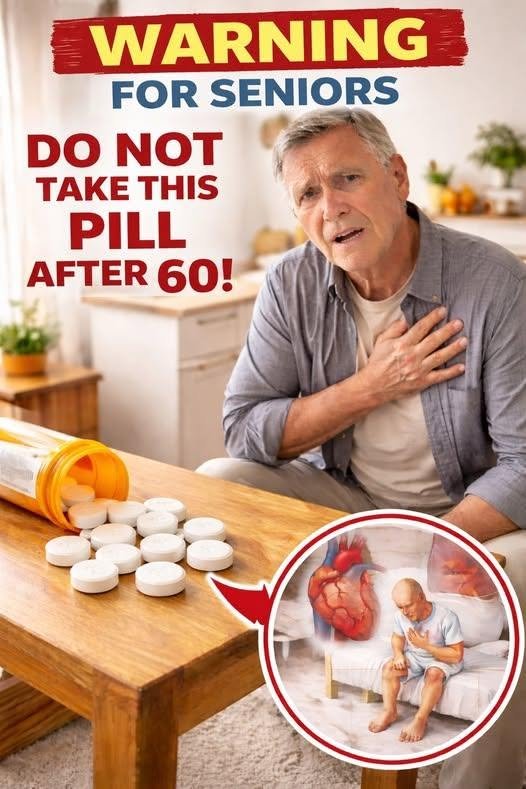
You’ve probably seen dramatic headlines claiming, “This Common Pill Weakens Senior Hearts!” While attention-grabbing, the reality is more nuanced. There isn’t one single medication that weakens every older person’s heart. However, several commonly used medications can increase the risk of heart complications in older adults when used incorrectly or without proper medical supervision.
Here’s what the evidence actually shows.
Why Seniors Are More Vulnerable
After age 65, the body processes medications differently.
Changes include:
- Slower kidney function
- Reduced liver metabolism
- Less muscle mass
- Greater sensitivity to medication side effects
- Multiple chronic illnesses requiring several prescriptions
Because of these changes, medications that are generally safe for younger adults may have stronger or more dangerous effects in seniors.
One Common Concern: NSAID Pain Relievers
Among the medications that heart specialists frequently discuss are nonsteroidal anti-inflammatory drugs (NSAIDs).
These include:
- Ibuprofen
- Naproxen
- Diclofenac
Millions of older adults take these medications for:
- Arthritis
- Back pain
- Joint pain
- Muscle injuries
Although effective for pain relief, prolonged or frequent use can increase cardiovascular risks in some people.
How These Pain Relievers Affect the Heart
NSAIDs can:
Increase Blood Pressure
Even a modest increase in blood pressure places extra strain on the heart.
Cause Fluid Retention
The body may retain extra sodium and water, leading to swelling and increasing the workload on the heart.
Worsen Heart Failure
People with existing heart failure may notice:
- Shortness of breath
- Leg swelling
- Rapid weight gain
- Fatigue
Raise Heart Attack Risk
Research has found that some NSAIDs may slightly increase the risk of:
- Heart attack
- Stroke
The risk tends to be higher:
- At higher doses
- With long-term use
- In individuals who already have cardiovascular disease
Seniors Most at Risk
Extra caution is recommended for people who have:
- High blood pressure
- Heart failure
- Coronary artery disease
- Kidney disease
- Diabetes
- Previous heart attack
- Previous stroke
These individuals should speak with their healthcare provider before using NSAIDs regularly.
Other Medications That Can Affect Heart Health
NSAIDs aren’t the only medications worth monitoring.
Some Decongestants
Cold and flu medications containing ingredients such as pseudoephedrine may:
- Raise blood pressure
- Increase heart rate
- Trigger palpitations in susceptible individuals
Certain Steroids
Long-term corticosteroid use may contribute to:
- High blood pressure
- Fluid retention
- Elevated blood sugar
- Increased cardiovascular strain
Some Diabetes Medications
While many newer diabetes medications actually protect the heart, treatment should always be individualized based on:
- Kidney function
- Heart health
- Overall medical history
Warning Signs to Watch For
If an older adult begins a new medication and develops any of the following symptoms, medical advice should be sought promptly:
- Chest pain
- Difficulty breathing
- Rapid heartbeat
- Severe swelling in the legs
- Sudden weight gain
- Persistent dizziness
- Fainting
These symptoms require prompt evaluation and should not be ignored.
How Seniors Can Protect Their Hearts
Heart specialists often recommend several simple strategies.
1. Review Medications Regularly
Have all prescription drugs, over-the-counter medications, vitamins, and supplements reviewed by a healthcare professional at least once a year.
2. Avoid Self-Medicating
Even common pain relievers can interact with medications for:
- Blood pressure
- Heart disease
- Blood thinners
- Kidney disease
3. Use the Lowest Effective Dose
When pain medication is necessary, use the smallest effective dose for the shortest appropriate duration, following medical advice.
4. Monitor Blood Pressure
Some medications can silently increase blood pressure without causing noticeable symptoms.
Regular monitoring helps detect problems early.
5. Stay Hydrated
Adequate hydration supports healthy circulation and kidney function, especially during hot weather or illness. Some people with heart failure may have individualized fluid restrictions, so follow your healthcare provider’s guidance.
Don’t Stop Medications Without Medical Advice
One of the biggest mistakes people make after reading alarming headlines is suddenly stopping their medications.
This can sometimes be more dangerous than continuing them.
Always discuss concerns with your healthcare provider before:
- Stopping a medication
- Changing the dose
- Switching to another drug
- Trying herbal alternatives
The Bottom Line
The headline “This Common Pill Weakens Senior Hearts!” oversimplifies a complex issue.
While some commonly used medications—particularly long-term or high-dose NSAID pain relievers—can increase cardiovascular risks in certain older adults, these medications are not inherently unsafe for everyone. The actual risk depends on factors such as age, medical history, dosage, duration of use, and other medications.
The safest approach is informed use: understand why you’re taking a medication, use it as directed, and review it regularly with your healthcare provider. If you have heart disease, high blood pressure, kidney disease, or other chronic conditions, ask whether any over-the-counter medications could affect your heart.
Disclaimer: This article is for educational purposes only and should not be considered medical advice. Always consult a qualified healthcare professional before starting, stopping, or changing any medication.