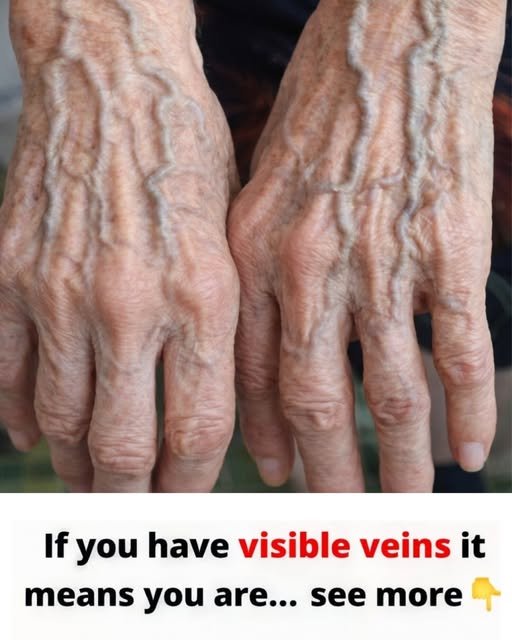
Visible veins on the arms or legs are something many people notice at some point and wonder about. In most cases, they are completely normal and not a sign of a health problem. However, in some situations, they can point to underlying factors such as body composition, lifestyle, or circulation issues.
Understanding why veins become more visible can help you tell the difference between normal variations and signs that may need attention.
Why Veins Become Visible
Veins appear closer to the skin’s surface than arteries, and they carry blood back toward the heart. Their visibility depends on several factors:
1. Low body fat percentage
One of the most common reasons is having less subcutaneous fat (fat under the skin). When this layer is thinner, veins naturally become more noticeable, especially in the arms, hands, and legs.
This is often seen in:
- Athletes
- People who exercise regularly
- Individuals who have recently lost weight
2. Exercise and muscle pump
During or after exercise, muscles demand more oxygen. Blood flow increases, and veins expand to help transport blood more efficiently. This temporary swelling is often called a “pump.”
Regular strength training can also make veins more visible over time because:
- Muscles grow and push veins closer to the skin
- Blood flow capacity improves
- Veins adapt to increased demand
3. Heat and temperature changes
Hot weather causes blood vessels to dilate (expand) to help the body cool down. This makes veins look larger and more prominent, especially in the arms and legs.
You may notice this:
- After a hot shower
- In summer heat
- After exercise
4. Aging and skin changes
As people age, skin naturally becomes thinner and loses elasticity. This makes underlying veins more visible even without changes in weight or activity level.
5. Genetics
Some people naturally have more visible veins due to inherited traits such as:
- Thinner skin
- Naturally lower fat distribution in limbs
- Stronger superficial vein patterns
If your parents or siblings have visible veins, you may simply share the same trait.
6. Pregnancy
During pregnancy, blood volume increases significantly to support the growing baby. This can cause:
- More prominent veins in legs and abdomen
- Increased pressure on leg veins
In most cases, this improves after delivery.
When Visible Veins Are Completely Normal
Visible veins are usually harmless if:
- They are not painful
- There is no swelling
- Skin color is normal
- They appear more during heat or exercise and reduce afterward
In many cases, visible veins are actually a sign of good circulation and fitness.
When It Might Signal a Problem
Sometimes visible veins—especially in the legs—can be related to circulation issues. One common condition is Varicose veins, where veins become enlarged, twisted, and weakened.
Possible warning signs include:
- Aching or heaviness in the legs
- Swelling around ankles or calves
- Veins that are bulging, twisted, or dark blue/purple
- Itching or skin discoloration near veins
- Pain after long periods of standing
These symptoms suggest blood may not be flowing efficiently back to the heart.
Risk Factors for Problematic Veins
You may be more likely to develop vein-related issues if you:
- Stand or sit for long periods
- Are overweight
- Have a family history of vein problems
- Are pregnant or have been pregnant
- Have had previous leg injuries or blood clots
How to Support Healthy Veins
Simple habits can help improve circulation and reduce vein strain:
- Regular walking or movement breaks
- Elevating legs when resting
- Staying hydrated
- Maintaining a healthy weight
- Wearing compression stockings if recommended
- Avoiding prolonged sitting or standing
Bottom Line
Visible veins on arms or legs are usually normal and influenced by factors like body fat, exercise, heat, aging, and genetics. In many cases, they reflect healthy blood flow and active muscles.
However, if visible veins are accompanied by pain, swelling, or significant changes in appearance—especially in the legs—it’s worth getting checked for possible vein conditions such as varicose veins.
If you want, I can turn this into an SEO-optimized blog post (with title tags, meta description, and keywords) or simplify it for social media.