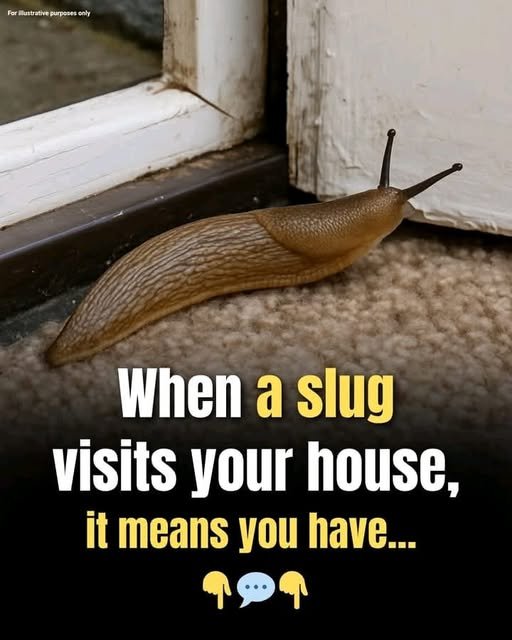
Most people’s relationship with slugs begins and ends in the garden. You step outside after rain, spot a slow, glistening trail across a leaf, and your first instinct is usually annoyance—or mild disgust. The Slug rarely gets framed as anything other than a pest.
But that reaction misses a bigger story. Slugs are not just survivors of damp corners and vegetable patches—they’re quiet workers in ecosystems, tiny recyclers, and unexpectedly important players in science and nature. Once you look closer, they stop being “gross garden intruders” and start looking more like unsung ecological engineers.
The hidden job of a slug: nature’s cleanup crew
In nature, nothing truly goes to waste. Fallen leaves, decaying plants, fungi, and organic debris all need to be broken down and returned to the soil. Slugs play a direct role in that process.
Instead of competing for fresh, healthy plant matter like many herbivores, slugs often feed on softer, decaying material. This makes them part of the decomposition chain—helping shred organic matter into smaller pieces that microbes can process more efficiently.
In other words, they don’t just “eat plants.” They help turn yesterday’s waste into tomorrow’s soil.
Without organisms like slugs, forest floors and damp ecosystems would accumulate far more dead material, slowing nutrient cycling and affecting plant growth. It’s not glamorous work, but it’s foundational.
A key link in the food chain
Slugs also sit in a very important middle position in food webs. They are prey for a wide range of animals, including birds, frogs, beetles, hedgehogs, and small mammals.
This makes them a dependable, energy-rich food source in environments where other prey might be seasonal or harder to find. Especially in wet climates or dense vegetation, slugs help stabilize predator populations by being available almost year-round.
So even if they seem insignificant on their own, slugs help support entire communities of animals above them in the food chain.
Their slime is more impressive than it looks
If there’s one thing slugs are known for, it’s mucus. Most people see it as a slimy inconvenience. But biologically, slug slime is a remarkable material.
It serves multiple purposes at once:
- Movement support: Slugs don’t have legs, so they glide on a layer of mucus that reduces friction and protects their soft bodies from rough surfaces.
- Moisture control: Their slime helps prevent dehydration, which is critical since they are highly vulnerable to drying out.
- Defense system: The mucus can contain compounds that deter predators or inhibit bacteria.
- Structural strength: Some slug mucus behaves like a temporary adhesive that is both flexible and surprisingly strong.
This last property has caught the attention of scientists. Researchers are studying slug mucus for inspiration in developing medical adhesives and wound dressings that can stick to wet tissue—something conventional glues struggle with.
So what looks like a slimy trail on a sidewalk is actually a sophisticated biological material system.
Surprisingly adaptable little creatures
Slugs are often underestimated when it comes to behavior. While they don’t have complex brains, they are far from passive.
They can:
- Respond strongly to humidity and temperature changes
- Navigate toward food sources using chemical cues
- Avoid harmful conditions like dry or exposed areas
- Learn simple associations between environments and outcomes
These abilities help them survive in environments that change rapidly, especially in climates where moisture levels fluctuate.
Their “strategy” is not intelligence in a human sense—it’s efficiency. Slugs are finely tuned to respond to environmental signals in ways that maximize survival with minimal energy.
The misunderstood role in gardens and agriculture
In agriculture, slugs are usually labeled as pests because some species feed on living crops. But the full picture is more nuanced.
Not all slugs behave the same way. Some prefer decaying matter and fungi, while others will target fresh seedlings under the right conditions. Often, their behavior reflects environmental imbalance—such as overly wet conditions, lack of predators, or excess plant debris.
In a balanced ecosystem, slugs are just one part of a larger recycling system. Problems arise when that balance is disrupted, not because slugs are inherently destructive.
Why they actually matter
It’s easy to overlook slugs because they don’t have the charm of birds or the charisma of mammals. They move slowly, lack visible defenses, and rarely interact with humans in ways we appreciate.
But ecology isn’t about charm—it’s about function.
Slugs:
- Recycle nutrients
- Support food chains
- Help maintain soil health
- Inspire biomaterials research
- Thrive in environments others cannot fully exploit
They are, in their own understated way, part of the maintenance system that keeps ecosystems running.
A different way to see the “slimy”
Next time you see a slug on a wet wall or garden path, it’s worth reconsidering the instinct to dismiss it. That small creature is participating in processes that shape soil, support wildlife, and even influence scientific innovation.
Slugs may never become beloved animals, but they don’t need to be. They just need to be understood a little better.
And once they are, they stop looking like pests—and start looking like quiet specialists doing a job most of us never notice.