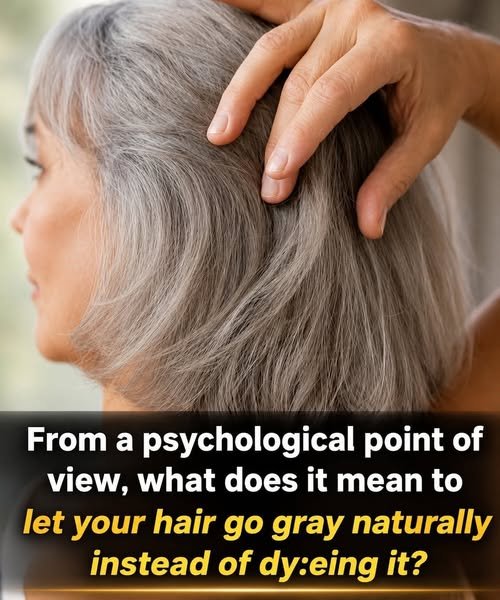
For generations, gray hair has been associated with aging, retirement, and the passage of time. As a result, many people have felt pressure to cover every silver strand with hair dye in an effort to maintain a youthful appearance. Yet in recent years, more individuals have chosen to embrace their natural gray hair—and their decision has sparked surprisingly strong reactions.
Why does something as natural as gray hair make some people uncomfortable? The answer has less to do with hair itself and more to do with the beliefs, expectations, and cultural messages we’ve absorbed over time.
Gray Hair Challenges Society’s Beauty Standards
For decades, advertisements, movies, and magazines have promoted youth as the ideal standard of beauty. Wrinkle creams, anti-aging treatments, and hair dyes have become billion-dollar industries built on the idea that looking younger is always better.
When someone proudly wears their gray hair, they challenge that long-standing message. Instead of hiding the signs of aging, they openly accept them. For some observers, this can feel unfamiliar because it goes against what they’ve been taught to expect.
It Reminds People That Aging Is Inevitable
One reason gray hair can provoke discomfort is that it serves as a visible reminder that everyone grows older. While many people avoid thinking about aging, seeing someone confidently embrace their gray hair can bring those thoughts to the surface.
It’s not necessarily the gray hair itself that causes discomfort—it’s what it symbolizes: the passage of time, changing priorities, and life’s natural progression.
Confidence Can Defy Expectations
Many people expect gray hair to signal a desire to “give up” on appearance. In reality, the opposite is often true.
Those who choose to stop coloring their hair frequently invest in healthy hair care, flattering hairstyles, and personal style that complements their natural color. Their confidence can challenge assumptions about what beauty should look like at different ages.
Rather than signaling neglect, gray hair can reflect self-acceptance and authenticity.
Workplace and Social Biases Still Exist
Although attitudes are changing, age-related stereotypes remain common. Some people unconsciously associate gray hair with reduced energy, outdated skills, or retirement—even though hair color says nothing about a person’s abilities, intelligence, or enthusiasm.
These assumptions can influence hiring decisions, workplace interactions, and even social relationships. Fortunately, many organizations are becoming more aware of age bias and working to create more inclusive environments.
The Rise of the “Silver Hair” Movement
In recent years, celebrities, influencers, and everyday people have helped normalize natural gray hair. Social media has become filled with stories of individuals who decided to stop coloring their hair and discovered a renewed sense of freedom and confidence.
For many, embracing gray isn’t about giving up—it’s about letting go of the pressure to constantly fight the aging process.
Gray Hair Is a Personal Choice
Whether someone colors their hair or lets it turn naturally gray is a deeply personal decision. Neither choice is inherently better than the other.
Some people enjoy experimenting with color because it allows them to express their personality. Others find liberation in embracing their natural appearance. Both choices deserve respect rather than judgment.
Changing the Conversation About Aging
As more people embrace their natural gray hair, society has an opportunity to rethink how it views aging. Instead of treating gray hair as something to hide, we can recognize it as one of many normal changes that come with life.
Confidence, kindness, wisdom, and experience are qualities that don’t fade with age. In many cases, they grow stronger.
Final Thoughts
If gray hair makes people uncomfortable, it may say more about cultural expectations than about the person wearing it. Choosing to let hair go gray is simply one way of expressing authenticity and self-acceptance.
Ultimately, beauty isn’t defined by the absence of gray hair. It’s reflected in the confidence to make choices that feel right for you, whether that means embracing your natural silver strands or continuing to enjoy coloring your hair. The most important thing is that the decision belongs to the individual—not to society’s expectations.