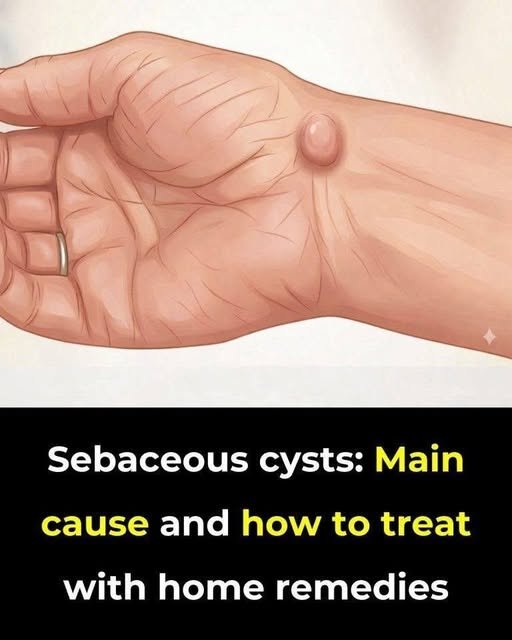
Have you ever noticed a small, round lump beneath your skin that feels smooth and moves slightly when touched? In many cases, it could be a sebaceous cyst—a common, usually harmless growth that develops just beneath the skin.
Although the term “sebaceous cyst” is widely used, many of these lumps are actually epidermoid cysts, which form when skin cells become trapped beneath the surface. Most are non-cancerous and grow slowly over time. While they often don’t require treatment, they can become uncomfortable, inflamed, or infected if irritated.
In this article, we’ll explain what sebaceous cysts are, what causes them, how to recognize the symptoms, safe home care tips, and when it’s time to see a doctor.
What Is a Sebaceous Cyst?
A sebaceous cyst is a closed sac beneath the skin filled with a thick, oily, or cheese-like material called keratin. These cysts usually develop on areas of the body with hair follicles, including:
- Face
- Neck
- Scalp
- Back
- Chest
- Shoulders
- Groin
They typically grow slowly, are painless, and can range in size from a pea to several centimeters across.
What Causes Sebaceous Cysts?
Sebaceous cysts can develop for several reasons, including:
1. Blocked Oil Glands
When an oil-producing gland or hair follicle becomes blocked, dead skin cells and natural oils can build up beneath the skin, forming a cyst.
2. Skin Injury
Cuts, surgical wounds, or trauma to the skin may trap skin cells beneath the surface, leading to cyst formation.
3. Damaged Hair Follicles
Acne, chronic irritation, or inflammation can damage hair follicles and increase the risk of developing cysts.
4. Genetic Conditions
Certain inherited disorders can make some people more likely to develop multiple skin cysts.
5. Hormonal Changes
Hormonal fluctuations that increase oil production may contribute to cyst development in some individuals.
Common Symptoms
Most sebaceous cysts have similar characteristics:
- A small, round lump beneath the skin
- Slow growth over weeks or months
- Smooth surface
- Moves slightly when touched
- Usually painless
- A small dark opening (called a punctum) may be visible in the center
If a cyst becomes infected, you may notice:
- Redness
- Swelling
- Warmth
- Pain or tenderness
- Pus or foul-smelling drainage
- Fever (in more serious infections)
Can You Treat a Sebaceous Cyst at Home?
Most cysts don’t require treatment unless they become painful, infected, or bothersome. While home care may help reduce discomfort, it will not remove the cyst itself.
1. Apply a Warm Compress
Place a clean, warm (not hot) compress on the cyst for 10–15 minutes, three to four times a day.
This may:
- Encourage natural drainage if the cyst is close to the surface
- Reduce discomfort
- Improve blood circulation to the area
2. Keep the Area Clean
Wash the skin gently with mild soap and water.
Keeping the area clean may help reduce the risk of infection, especially if the cyst begins to drain on its own.
3. Avoid Friction
If the cyst is in an area where clothing rubs against it, wear loose-fitting clothes to minimize irritation.
What You Should Never Do
Many people are tempted to squeeze or pop a cyst at home, but this is not recommended.
Avoid:
- Squeezing the cyst
- Cutting it open with needles or blades
- Picking at it repeatedly
- Attempting to drain it yourself
Doing so can increase the risk of:
- Infection
- Bleeding
- Scarring
- The cyst returning
When Should You See a Doctor?
Seek medical attention if the cyst:
- Becomes very painful
- Grows rapidly
- Turns red, swollen, or warm
- Leaks pus or foul-smelling fluid
- Keeps coming back
- Interferes with movement or daily activities
- Changes in appearance unexpectedly
A healthcare provider may recommend:
- Draining the cyst if it’s infected
- Antibiotics if there is a bacterial infection
- Surgical removal of the entire cyst wall, which is the most effective way to prevent recurrence
Can Sebaceous Cysts Be Prevented?
Not all cysts can be prevented, but these habits may help lower the risk:
- Practice good skin hygiene.
- Avoid picking at acne or skin lesions.
- Protect your skin from unnecessary injury.
- Treat persistent acne with appropriate medical advice.
Final Thoughts
Sebaceous cysts are common, slow-growing skin lumps that are usually harmless. In many cases, they don’t require treatment and can simply be monitored. Applying warm compresses and keeping the area clean may help relieve discomfort, but home remedies cannot remove the cyst completely.
If a cyst becomes painful, infected, rapidly enlarges, or repeatedly returns, it’s important to consult a healthcare professional. Prompt medical evaluation can help prevent complications and ensure you receive the most appropriate treatment.
Disclaimer: This article is for educational purposes only and should not replace professional medical advice. Always consult a qualified healthcare provider for diagnosis or treatment of any skin condition.