Diabetes affects millions of people worldwide, and one of the earliest warning signs can appear during the night. While high blood sugar can cause symptoms at any time of day, some people notice that these symptoms become more obvious in the evening or overnight, especially if blood glucose levels remain elevated after dinner.
It’s important to remember that there is nothing medically significant about 10 PM itself. However, nighttime symptoms may become more noticeable because of evening meals, reduced physical activity, hormonal changes during sleep, or prolonged periods without checking blood sugar.
Here are seven nighttime symptoms that may indicate high blood sugar.
1. Frequent Urination During the Night (Nocturia)
One of the most common signs of elevated blood sugar is waking up several times to urinate.
When blood glucose levels become too high, the kidneys work harder to remove excess sugar through urine. This process pulls extra water from the body, increasing urine production and disrupting sleep.
2. Excessive Thirst
If you wake up with an unusually dry mouth or find yourself constantly reaching for a glass of water during the night, high blood sugar may be the reason.
Frequent urination causes fluid loss, leading to dehydration and persistent thirst.
3. Night Sweats
Some people with diabetes experience sweating during sleep. While high blood sugar itself is not a typical direct cause of night sweats, they can occur for other reasons, including low blood sugar (especially in people taking insulin or certain diabetes medications), infections, or other medical conditions.
If night sweats are frequent, discuss them with your healthcare provider.
4. Blurred Vision
High blood sugar can temporarily affect the shape of the eye’s lens, making vision appear blurry.
Although this symptom is more noticeable during the day, some people report difficulty focusing when they wake during the night or first thing in the morning.
5. Restless Sleep
Poorly controlled blood sugar may interfere with restful sleep due to thirst, frequent urination, discomfort, or other diabetes-related symptoms.
Consistently poor sleep can also make blood sugar management more difficult.
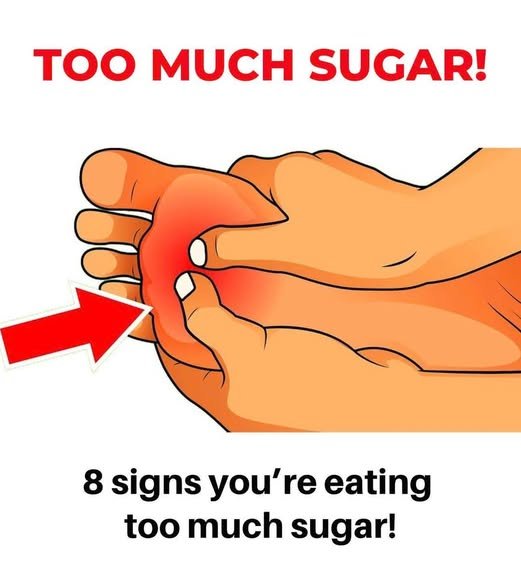
6. Tingling or Numbness in the Hands and Feet
Persistently high blood sugar over months or years can damage nerves, a condition known as diabetic neuropathy.
Many people notice burning, tingling, numbness, or “pins and needles” sensations more when lying quietly in bed at night.
7. Fatigue Upon Waking
Even after a full night’s sleep, uncontrolled blood sugar can leave you feeling tired or sluggish the next morning.
Interrupted sleep and the body’s difficulty using glucose efficiently both contribute to morning fatigue.
What Can You Do?
If you regularly experience these symptoms:
- Monitor your blood sugar as recommended by your healthcare provider.
- Take diabetes medications exactly as prescribed.
- Avoid large, high-sugar meals close to bedtime.
- Stay hydrated throughout the day.
- Engage in regular physical activity, if appropriate for your health.
- Keep up with routine medical checkups.
When to See a Doctor
Make an appointment if you experience:
- Frequent nighttime urination that persists.
- Excessive thirst.
- Unexplained blurred vision.
- Persistent tingling or numbness.
- Repeated high blood sugar readings.
- Symptoms of diabetes if you have never been diagnosed.
Seek urgent medical attention if you develop severe symptoms such as confusion, difficulty breathing, vomiting, severe dehydration, or loss of consciousness.
Final Thoughts
Nighttime symptoms can sometimes be an early clue that blood sugar levels are not well controlled. While these signs do not confirm diabetes on their own, they should not be ignored. If you’re waking frequently to urinate, feeling unusually thirsty, or noticing numbness or blurred vision, it’s worth discussing these symptoms with a healthcare professional. Early diagnosis and proper treatment can help prevent long-term complications and improve both your sleep and overall health.