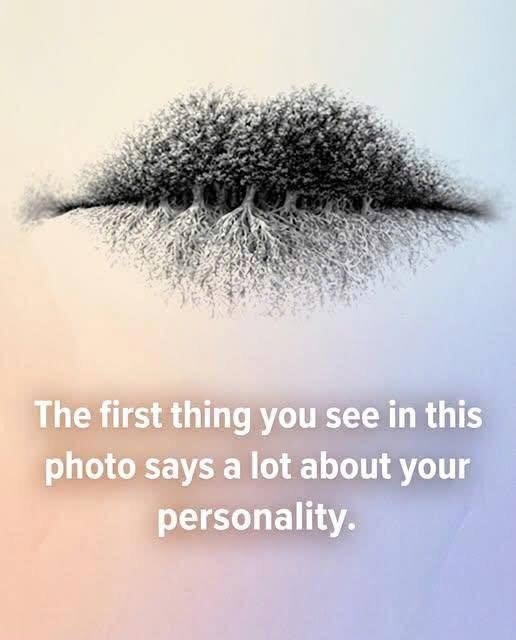
Have you ever looked at an image and immediately noticed one particular detail while someone else saw something completely different? It’s a fascinating reminder that our brains don’t always interpret visual information in the same way.
Optical illusions and personality images have become incredibly popular on social media because they encourage us to think about how we perceive the world. While these images can be entertaining and spark interesting conversations, it’s important to remember that they are not scientifically validated personality tests. What you notice first may reflect your attention in that moment rather than reveal fixed truths about your personality.
Let’s explore some common interpretations people enjoy.
Why Do People See Different Things?
Your brain constantly processes enormous amounts of visual information. Instead of analyzing every detail equally, it quickly focuses on patterns, shapes, colors, and objects that stand out.
What catches your eye first can be influenced by many factors, including:
- Your current mood
- Past experiences
- Expectations
- Visual attention
- Lighting and image quality
- Individual differences in perception
That’s why two people can look at the same image and honestly see different things first.
Common Fun Interpretations
Many viral illusion images come with playful explanations based on the first object you notice. Here are examples of the kinds of interpretations often shared online.
If You First Notice a Face
You may naturally focus on people and emotions. Some entertainment-style interpretations suggest you enjoy connecting with others and often notice facial expressions and social cues.
If You First Notice an Animal
You might be detail-oriented or appreciate nature and symbolism. Some people interpret this as a sign of curiosity or independence, though there is no scientific evidence supporting that conclusion.
If You First Notice Trees or Nature
This is sometimes associated with enjoying peaceful environments and taking a broader view of situations. Again, this is simply a popular interpretation rather than a proven personality trait.
If You First Notice Small Hidden Details
Some believe this suggests careful observation and patience. It may simply reflect where your visual attention happened to land first.
Can These Images Really Reveal Your Personality?
The short answer is no—not reliably.
Although these images are fun and engaging, psychologists do not consider them accurate tools for measuring personality. Scientific personality assessments are developed through years of research and testing to ensure they produce consistent and meaningful results.
Your first impression of an illusion can also change over time. Looking at the image again a few minutes later—or after someone points out another object—may lead you to notice something entirely different.
Why Optical Illusions Fascinate Us
Optical illusions highlight how the brain fills in missing information and interprets patterns based on context. They remind us that perception is an active process rather than a simple recording of reality.
This is one reason illusions remain popular with artists, educators, and vision scientists alike—they demonstrate just how remarkable and complex the human brain is.
Enjoy Them for What They Are
Rather than treating viral personality images as psychological tests, think of them as conversation starters. They can be a fun way to compare perspectives with friends and family and appreciate how differently people experience the same picture.
The next time you encounter an image claiming to reveal hidden truths about your personality, enjoy the challenge—but take the interpretations with a healthy dose of skepticism.
Final Thoughts
The first thing you notice in an image may reflect your attention at that particular moment, but it doesn’t define who you are. Human personality is shaped by countless experiences, relationships, habits, and values—far more than any single optical illusion can capture.
So, take the test for fun, compare your answer with others, and remember: sometimes what makes these images interesting isn’t what they supposedly reveal about us—it’s how differently each of us sees the very same picture.