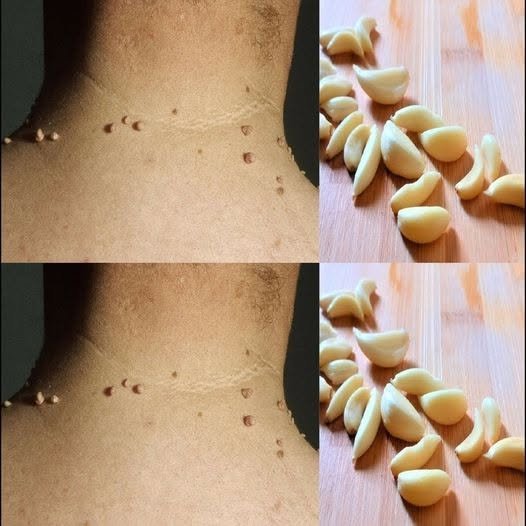
Have you ever noticed tiny, soft growths appearing on your neck? At first, they may seem harmless, but over time they can become more noticeable or even get caught on clothing and jewelry.
These small skin growths are often skin tags, one of the most common non-cancerous skin conditions. While they are usually harmless, understanding why they appear and when they may require medical attention can help you take better care of your skin.
What Are Skin Tags?
Skin tags are small, soft, flesh-colored or slightly darker growths that hang from the skin by a thin stalk. They can range in size from just a few millimeters to over a centimeter.
Unlike warts, skin tags are not caused by viruses, and unlike moles, they rarely become cancerous. They are simply small overgrowths of skin and collagen.
Why Do Skin Tags Commonly Appear on the Neck?
The neck is one of the most common places for skin tags because the skin experiences frequent friction. Constant rubbing from collars, necklaces, scarves, or even skin rubbing against skin can encourage their development.
Other areas where skin tags commonly appear include:
- Under the arms
- Eyelids
- Groin
- Under the breasts
- Skin folds around the body
What Causes Skin Tags?
Although the exact cause isn’t fully understood, several factors increase the likelihood of developing skin tags.
1. Friction
Repeated rubbing between skin surfaces or clothing is thought to be one of the biggest triggers.
2. Aging
Skin tags become more common as people get older, especially after middle age.
3. Excess Weight
People who are overweight or obese often have more skin folds, creating additional friction that may promote skin tag formation.
4. Genetics
Skin tags tend to run in families. If your parents have them, you’re more likely to develop them as well.
5. Hormonal Changes
Hormonal fluctuations, particularly during pregnancy, may increase the likelihood of developing skin tags.
6. Insulin Resistance
Research has found that people with insulin resistance, type 2 diabetes, or metabolic syndrome may be more likely to develop multiple skin tags. While skin tags alone do not mean you have diabetes, having many of them may warrant a discussion with your healthcare provider, especially if you have other risk factors.
Are Skin Tags Dangerous?
In most cases, no.
Skin tags are benign (non-cancerous) and usually cause no pain or health problems. They generally don’t require treatment unless they become irritated, bleed from repeated rubbing, or bother you for cosmetic reasons.
Should You Remove Them Yourself?
It may be tempting to cut off or tie off a skin tag at home, but doing so isn’t recommended. Home removal can lead to:
- Bleeding
- Infection
- Scarring
- Removing the wrong type of skin growth
A healthcare professional can safely remove skin tags using methods such as freezing, cauterization, or sterile surgical removal.
When Should You See a Doctor?
While skin tags are usually harmless, you should seek medical advice if a skin growth:
- Changes rapidly in size
- Becomes very dark or develops multiple colors
- Bleeds without being injured
- Causes persistent pain
- Has irregular borders
- Looks significantly different from your other skin growths
These changes don’t necessarily mean cancer, but they should be evaluated by a healthcare professional.
Can You Prevent Skin Tags?
There is no guaranteed way to prevent skin tags, but you may reduce your risk by:
- Maintaining a healthy weight.
- Reducing friction from tight clothing or jewelry.
- Managing blood sugar if you have diabetes or insulin resistance.
- Practicing good skin care in areas where skin rubs together.
Final Thoughts
Small skin growths on the neck are most commonly skin tags—benign growths that develop due to friction, aging, genetics, hormonal changes, and, in some cases, metabolic factors. Although they are usually harmless, they can be safely removed if they become irritated or affect your confidence.
If you’re ever unsure whether a growth is a skin tag or notice changes in its appearance, it’s always best to have it examined by a healthcare professional. A proper diagnosis can provide peace of mind and ensure that any concerning skin changes are addressed promptly.