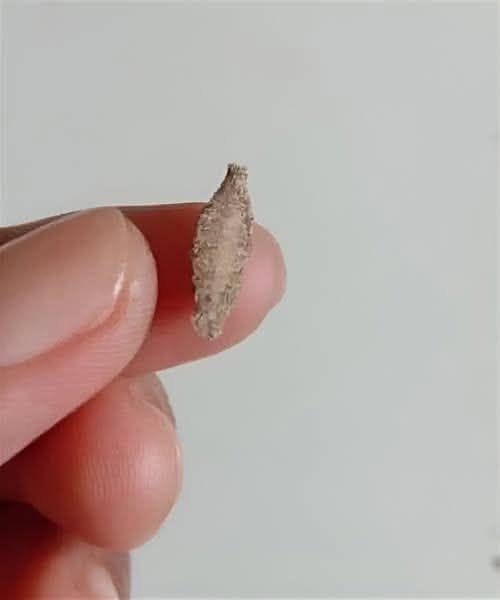
Your home’s walls do much more than support the roof—they can also become hiding places for insects that thrive in dark, quiet spaces. While many pests are harmless, others can damage your property, contaminate food, or even trigger allergies.
Making wall inspections part of your regular cleaning routine can help you detect problems early and avoid expensive repairs.
Why Wall Inspections Matter
Many household insects prefer to stay hidden. They often live inside wall cavities, behind wallpaper, near baseboards, or around windows and doors. By the time you notice large numbers of insects, the infestation may already be well established.
Early detection allows you to:
- Prevent structural damage.
- Protect your family’s health.
- Reduce pest control costs.
- Stop insects from spreading throughout your home.
Common Insects to Watch For
1. Termites
Termites are among the most destructive household pests. They feed on wood from the inside out, often causing severe structural damage before homeowners notice them.
Signs include:
- Mud tubes on walls or foundations.
- Hollow-sounding wood.
- Small piles of discarded wings.
- Cracked or bubbling paint.
2. Ants
A few ants may seem harmless, but they often indicate a nearby colony. Some species, such as carpenter ants, can damage wood over time.
Look for:
- Long trails of ants.
- Small piles of sawdust.
- Ants entering through tiny wall cracks.
3. Cockroaches
Cockroaches hide during the day and emerge at night. They can contaminate food and spread bacteria.
Warning signs include:
- Dark droppings.
- Egg cases.
- Musty odors.
- Live insects near kitchens or bathrooms.
4. Silverfish
Silverfish prefer damp, humid environments and feed on paper, glue, fabrics, and books.
You may notice:
- Tiny silvery insects moving quickly.
- Small holes in paper or wallpaper.
- Yellow stains or shed skins.
5. Spiders
Most spiders are harmless and actually help control other insects. However, a growing number of spider webs may indicate that your home has an abundant insect population providing food.
6. Bed Bugs
Although they usually hide near beds, bed bugs can also shelter in wall cracks, behind picture frames, and under loose wallpaper.
Watch for:
- Small dark spots.
- Tiny blood stains.
- Itchy bites after sleeping.
- Shed skins.
Where to Check
During your inspection, pay close attention to:
- Corners of rooms.
- Around windows and doors.
- Behind furniture.
- Baseboards.
- Near plumbing.
- Around electrical outlets.
- Cracks in walls.
- Basement and attic walls.
Using a flashlight can make it easier to spot insects or their hiding places.
How to Prevent Infestations
A few simple habits can make your home less attractive to pests:
- Seal cracks and gaps in walls.
- Repair leaking pipes promptly.
- Keep rooms dry and well ventilated.
- Store food in airtight containers.
- Clean crumbs and spills immediately.
- Take out garbage regularly.
- Trim vegetation touching your home’s exterior.
When to Call a Professional
If you notice large numbers of insects, recurring infestations, termite damage, or signs that pests are living inside your walls, it’s best to contact a licensed pest control professional. They can identify the exact pest and recommend the safest, most effective treatment.
Final Thoughts
Regular wall inspections take only a few minutes but can save you from expensive repairs and frustrating pest problems. By knowing what signs to look for and acting quickly, you can keep your home cleaner, safer, and better protected against unwanted visitors.
Remember, not every insect is dangerous, but identifying pests early is the key to preventing them from becoming a much bigger problem.