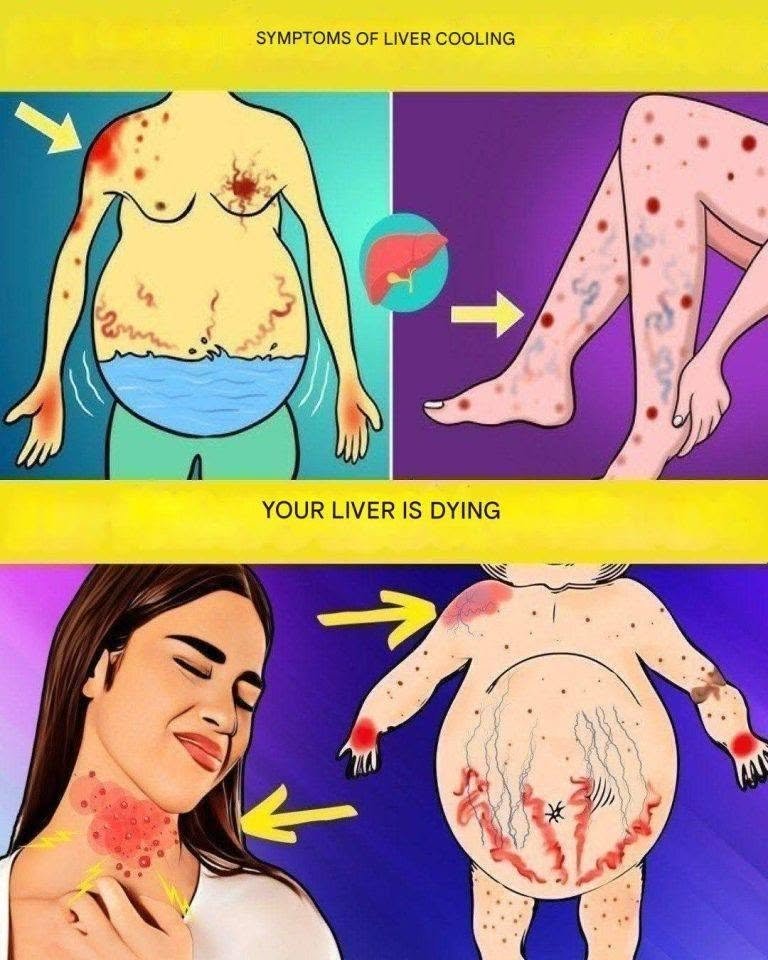
The liver is one of the most important organs in the human body. It helps filter toxins, supports digestion, stores energy, produces important proteins, and plays a major role in keeping the body balanced.
Because the liver performs so many essential functions, problems with it can affect many different parts of the body. The challenge is that liver issues can sometimes develop quietly, with symptoms appearing only after damage has progressed.
Recognizing possible warning signs and discussing concerns with a healthcare professional can help protect your health.
1. Unusual Tiredness and Low Energy
Persistent fatigue is one of the most commonly reported symptoms associated with liver problems. When the liver is not working properly, the body may struggle with energy regulation and waste processing.
Feeling tired occasionally is normal, but ongoing exhaustion without an obvious cause should be checked.
2. Yellowing of the Skin or Eyes
A yellow color in the skin or the whites of the eyes is called jaundice. It can occur when bilirubin, a substance normally processed by the liver, builds up in the blood.
Jaundice should always be medically evaluated.
3. Dark Urine
Urine that appears much darker than usual can sometimes be linked to increased bilirubin levels or dehydration. If dark urine continues despite adequate fluid intake, it may require medical attention.
4. Pale or Clay-Colored Stool
Changes in stool color can occur when bile flow is affected. Pale stools may be a sign that the digestive system is not receiving normal amounts of bile.
5. Loss of Appetite
A reduced desire to eat may occur with several health conditions, including liver-related problems. Some people may also experience weight loss without trying.
6. Nausea or Vomiting
Digestive symptoms such as nausea, vomiting, or discomfort after meals can sometimes occur when the liver is under stress.
7. Abdominal Pain or Swelling
Pain or discomfort in the upper right side of the abdomen—where the liver is located—can be a possible warning sign.
Some liver conditions can also cause fluid buildup, leading to abdominal swelling.
8. Swelling in the Legs or Ankles
When liver function is affected, changes in fluid balance and protein levels may contribute to swelling in the lower body.
9. Itchy Skin
Persistent itching without an obvious skin cause can sometimes occur when substances normally processed by the liver accumulate in the body.
10. Easy Bruising or Bleeding
The liver helps produce proteins involved in blood clotting. If liver function is reduced, some people may notice they bruise more easily.
11. Confusion or Trouble Concentrating
Advanced liver problems can affect brain function, sometimes causing confusion, difficulty concentrating, or changes in mental alertness.
12. Unexplained Weight Changes
Unexpected weight loss or changes in body composition may occur with certain liver conditions.
13. Nausea After Fatty Foods
Because the liver plays a role in processing fats, some people notice digestive discomfort after eating heavy or fatty meals.
14. Spider-Like Blood Vessels on the Skin
Small, spider-shaped blood vessels (known as spider angiomas) can appear in some people with chronic liver conditions due to changes in blood vessels and hormones.
15. Red Palms
A condition called palmar erythema, where the palms become unusually red, may occur in some individuals with certain liver disorders.
16. Changes in Sleep Patterns
Some people with liver conditions report disrupted sleep, including difficulty sleeping at night or unusual daytime tiredness.
17. General Feeling That Something Is Not Right
Sometimes the body gives subtle signals before a serious problem becomes obvious. Persistent changes in energy, digestion, skin, or overall well-being deserve attention.
How to Support Liver Health
Healthy habits can help support normal liver function:
- Maintain a balanced diet with plenty of fruits, vegetables, and whole foods.
- Limit excessive alcohol intake.
- Maintain a healthy weight.
- Exercise regularly.
- Avoid unnecessary use of medications or supplements without medical guidance.
- Get recommended health screenings.
When to Seek Medical Advice
Contact a healthcare professional if you notice symptoms such as:
- Yellow eyes or skin.
- Severe abdominal swelling.
- Confusion.
- Vomiting blood.
- Black stools.
- Sudden worsening symptoms.
Final Thoughts
The liver is a remarkable organ that works quietly every day to protect the body. Paying attention to unusual changes can help identify potential problems early.
While these signs do not always mean there is a liver disease, persistent or concerning symptoms should never be ignored. A medical professional can provide proper evaluation through examination and appropriate tests.