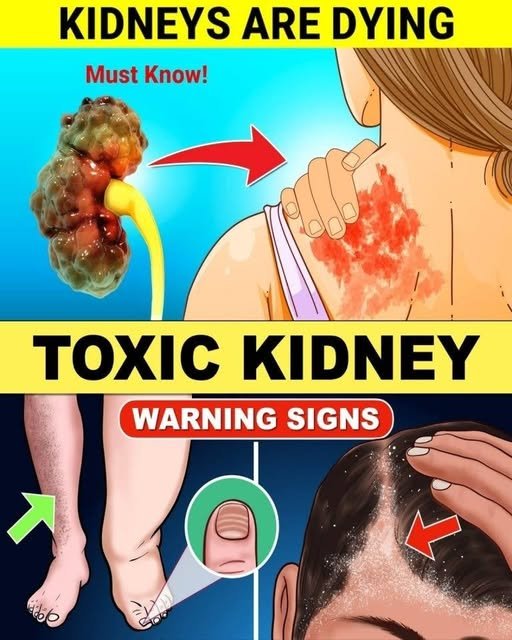
Your kidneys are two remarkable organs that work around the clock to filter waste, balance fluids, regulate blood pressure, and support the production of red blood cells. Because they can continue functioning even after significant damage, kidney disease often develops silently, with few noticeable symptoms in its early stages.
Recognizing the warning signs and getting the right tests can help detect kidney problems early—when treatment may slow or even prevent further damage. While not everyone with kidney disease will need dialysis, early diagnosis and proper management are key to protecting kidney function.
Here are nine warning signs that may indicate declining kidney function, along with the important medical tests doctors use to evaluate kidney health.
1. Persistent Fatigue and Weakness
Healthy kidneys remove waste products from your blood. When they aren’t working properly, toxins can build up, leaving you feeling tired, weak, or lacking energy.
Kidney disease can also cause anemia by reducing the production of erythropoietin, a hormone that helps your body make red blood cells.
See your healthcare provider if fatigue is persistent or unexplained.
2. Swelling in the Feet, Ankles, or Hands
Damaged kidneys may struggle to remove excess sodium and fluid, causing swelling (edema), especially in the:
- Feet
- Ankles
- Legs
- Hands
- Face, particularly around the eyes
While swelling has many possible causes, persistent or worsening swelling deserves medical evaluation.
3. Changes in Urination
Pay attention to changes such as:
- Urinating more or less often than usual
- Waking frequently at night to urinate
- Foamy or bubbly urine
- Blood in the urine
- Dark-colored urine
- Difficulty or pain when urinating
These changes may signal kidney disease or other urinary tract conditions and should not be ignored.
4. High Blood Pressure
High blood pressure and kidney disease are closely linked.
High blood pressure can damage the kidneys over time, and damaged kidneys can make blood pressure harder to control.
Regular blood pressure checks are an important part of protecting kidney health.
5. Persistent Itching
As kidney function declines, waste products and mineral imbalances can accumulate in the bloodstream, leading to persistent itching that isn’t explained by dry skin or allergies.
Severe itching is more common in advanced kidney disease but can occur earlier in some people.
6. Loss of Appetite, Nausea, or Vomiting
A buildup of waste products in the blood can affect digestion, leading to:
- Poor appetite
- Nausea
- Vomiting
- Weight loss
- A metallic taste in the mouth
These symptoms can have many causes, but they warrant medical attention if they persist.
7. Shortness of Breath
Kidney disease may contribute to shortness of breath because of:
- Fluid buildup in the lungs
- Anemia
- Heart-related complications
If you experience sudden or severe shortness of breath, seek immediate medical care.
8. Muscle Cramps
Kidneys help maintain the balance of minerals such as potassium, calcium, and phosphorus.
When these minerals become imbalanced, muscle cramps, twitching, or weakness may occur.
9. Difficulty Concentrating or Confusion
Advanced kidney disease can reduce oxygen delivery to the brain through anemia and allow waste products to build up in the bloodstream.
This may cause:
- Poor concentration
- Memory problems
- Difficulty thinking clearly
- Confusion
These symptoms should always be evaluated by a healthcare professional.
Tests That Help Detect Kidney Disease Early
Early testing can identify kidney problems before severe symptoms develop.
1. Blood Tests
Doctors commonly order:
Serum Creatinine
Measures the level of creatinine, a waste product filtered by the kidneys.
Estimated Glomerular Filtration Rate (eGFR)
Calculated from your creatinine level, age, and sex, eGFR estimates how well your kidneys are filtering blood.
2. Urine Tests
Urine Albumin-to-Creatinine Ratio (uACR)
This test checks for albumin (a protein) in the urine. Even small amounts may indicate early kidney damage.
Urinalysis
Can detect:
- Blood
- Protein
- Infection
- Glucose
- Other abnormalities
3. Blood Pressure Monitoring
Because high blood pressure both causes and results from kidney disease, regular monitoring is essential.
4. Kidney Imaging
If needed, your healthcare provider may recommend:
- Ultrasound
- CT scan
- MRI
These tests help identify structural problems such as kidney stones, cysts, or blockages.
5. Kidney Biopsy
In certain cases, a small sample of kidney tissue may be examined under a microscope to determine the cause of kidney disease.
This test is only performed when medically necessary.
Can Dialysis Be Prevented?
Not everyone with kidney disease will require dialysis.
For many people, early diagnosis and appropriate treatment can slow the progression of chronic kidney disease.
Strategies may include:
- Controlling blood pressure
- Managing diabetes
- Taking prescribed medications
- Reducing sodium intake
- Staying physically active
- Avoiding smoking
- Maintaining a healthy weight
- Following your healthcare provider’s dietary recommendations
- Attending regular medical checkups
When to Seek Medical Care Immediately
Seek urgent medical attention if you experience:
- Blood in your urine
- Severe shortness of breath
- Chest pain
- Sudden swelling
- Confusion
- Very little or no urine output
These symptoms may indicate a serious medical condition requiring prompt evaluation.
Final Thoughts
Kidney disease often develops quietly, but your body may provide warning signs long before kidney failure occurs. Persistent fatigue, swelling, changes in urination, high blood pressure, nausea, itching, muscle cramps, and difficulty concentrating should never be ignored.
Routine blood and urine tests—especially serum creatinine, eGFR, and the urine albumin-to-creatinine ratio (uACR)—can detect kidney disease early, often before symptoms become severe. Early diagnosis gives you and your healthcare team the best opportunity to slow disease progression and protect your kidney function.
Medical Disclaimer: This article is for educational purposes only and is not a substitute for professional medical advice, diagnosis, or treatment. If you have symptoms of kidney disease or concerns about your kidney health, consult a qualified healthcare provider promptly.