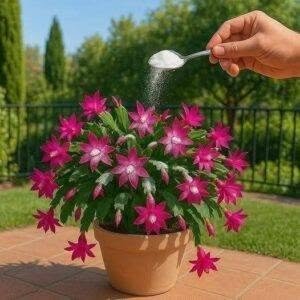
Every gardener dreams of plants covered in colorful blooms. Whether you grow roses, hibiscus, petunias, geraniums, orchids, or flowering shrubs, healthy plants need the right nutrients to produce abundant flowers.
The good news is that you don’t have to rely on expensive commercial fertilizers. A simple homemade plant feed made with common kitchen ingredients can provide essential nutrients that encourage stronger growth and more blossoms when used correctly.
Here’s the easy trick gardeners love.
Why Some Plants Produce Fewer Flowers
If your plants have plenty of leaves but very few blooms, they may be struggling with one or more of these issues:
- Lack of phosphorus and potassium
- Too much nitrogen fertilizer
- Insufficient sunlight
- Inconsistent watering
- Poor soil quality
- Stress from pests or disease
Addressing these problems can significantly improve flowering.
The Simple “2-Spoon” Homemade Plant Feed
One popular homemade fertilizer uses rice water, which contains small amounts of minerals and starches that may support soil microbes.
You’ll Need
- 2 tablespoons uncooked rice
- 2 cups water
How to Prepare It
- Add the rice to the water.
- Stir well for a minute or two.
- Let it soak for 30 minutes.
- Strain the liquid into a watering can.
Use the strained rice water to water flowering plants once every two weeks.
While many gardeners find rice water helpful, scientific evidence is limited. It should be used as a supplement rather than a replacement for a balanced fertilizer.
Another Effective Kitchen Fertilizer
Banana peels contain potassium, an important nutrient for flowering.
How to Make Banana Peel Water
- Chop one banana peel.
- Soak it in 1 liter of water for 24–48 hours.
- Strain the liquid.
- Water plants at the base every two to four weeks.
Composting banana peels is another excellent way to add nutrients to your garden.
Don’t Forget Sunlight
Even the best fertilizer can’t compensate for insufficient light.
Most flowering plants need:
- 6–8 hours of direct sunlight daily
- Good air circulation
- Well-draining soil
Check the specific light requirements for your plant, as some varieties prefer partial shade.
Water the Right Way
Overwatering is one of the biggest reasons plants stop flowering.
For most flowering plants:
- Water deeply rather than frequently.
- Allow the top inch of soil to dry before watering again (unless the plant prefers consistently moist soil).
- Water early in the morning to reduce evaporation and help prevent fungal diseases.
Remove Spent Flowers
Deadheading—removing faded blooms—encourages many plants to produce new flowers instead of putting energy into making seeds.
Regular pruning also improves airflow and promotes healthier growth.
Feed Plants During the Growing Season
Flowering plants generally benefit from feeding every 2–4 weeks during active growth.
Choose a fertilizer that’s higher in phosphorus and potassium than nitrogen if your goal is more blooms. Always follow label directions to avoid overfertilizing, which can damage plants.
Plants That May Benefit
These care tips can help many popular flowering plants, including:
- Roses
- Hibiscus
- Geraniums
- Petunias
- Marigolds
- Bougainvillea
- Jasmine
- Begonias
- Impatiens
- Many flowering vegetables, such as tomatoes and peppers
Keep in mind that each species has its own nutrient and watering needs.
The Bottom Line
There’s no magical ingredient that guarantees hundreds of flowers overnight, but consistent care makes a remarkable difference. Simple homemade options like rice water or banana peel water can complement a balanced fertilizing routine, while proper sunlight, watering, and pruning create the conditions plants need to bloom at their best.
With just a little attention every few weeks, you can enjoy healthier plants and a garden filled with vibrant, long-lasting flowers.