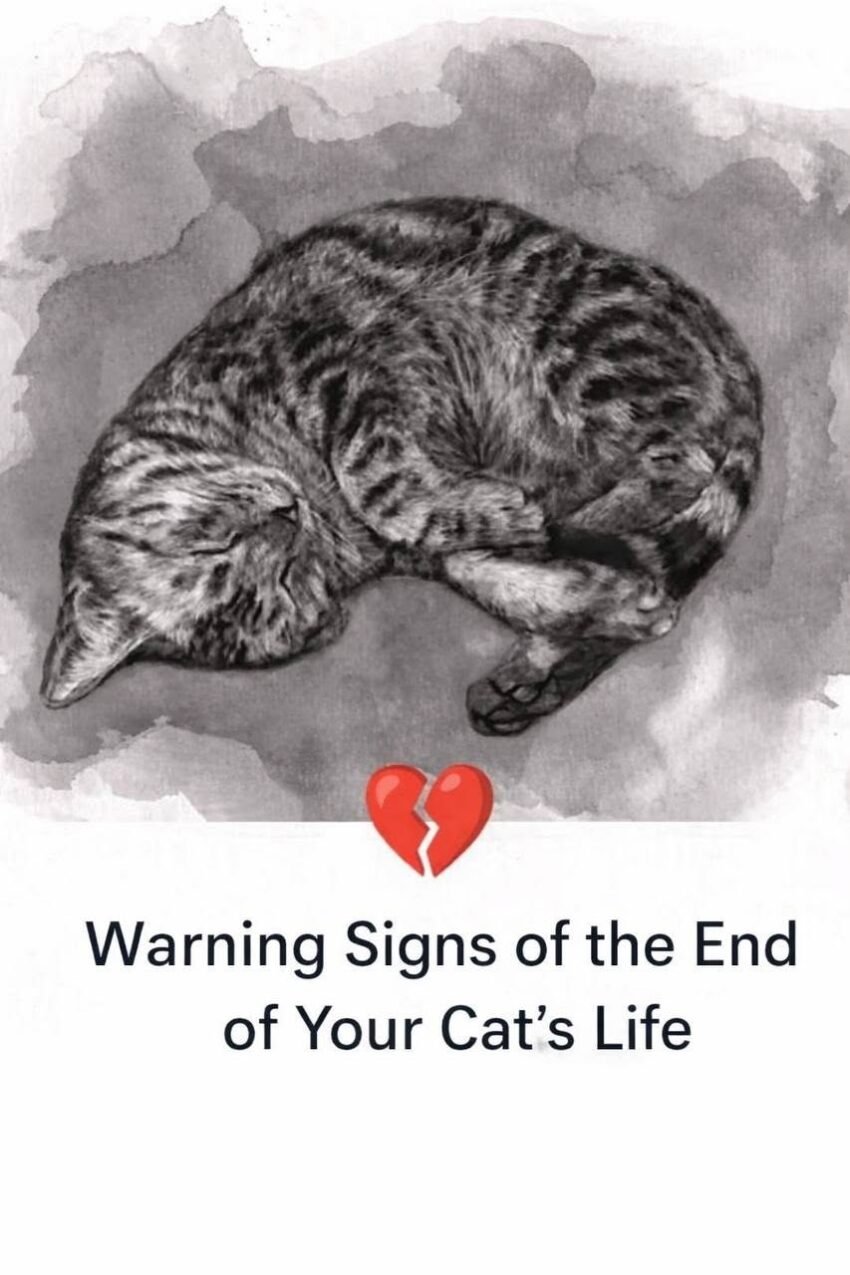
No pet owner wants to imagine saying goodbye to a beloved cat. Cats are cherished members of the family, and watching them grow old or become seriously ill can be heartbreaking. While every cat’s journey is different, there are certain signs that may indicate your feline companion is approaching the end of life.
Recognizing these changes can help you provide comfort, seek veterinary care when appropriate, and make informed decisions about your cat’s well-being.
Important: Many of the signs below can also occur with treatable illnesses. If your cat develops any of these symptoms, contact your veterinarian as soon as possible rather than assuming your cat is dying.
1. Loss of Appetite
One of the earliest signs that a cat may be seriously ill is refusing food. Cats nearing the end of life often lose interest in eating because their bodies require less energy or because illness causes nausea, pain, or weakness.
If your cat hasn’t eaten for more than 24 hours, especially if accompanied by other symptoms, veterinary attention is recommended.
2. Drinking Much Less Water
A dying cat may stop drinking enough water, leading to dehydration. Signs of dehydration include dry gums, sunken eyes, and reduced skin elasticity.
Some illnesses, such as kidney disease, may initially cause increased thirst before progressing to decreased water intake.
3. Extreme Weakness
Cats that once jumped onto furniture or greeted you at the door may become too weak to stand or walk comfortably.
They may spend nearly all day sleeping and struggle to move around the house.
4. Significant Weight Loss
Noticeable weight loss, muscle wasting, and a bony appearance can occur during advanced illness or old age.
Weight loss is common in conditions such as cancer, chronic kidney disease, hyperthyroidism, and severe heart disease.
5. Hiding More Than Usual
Cats naturally hide when they feel sick or vulnerable.
If your normally social cat suddenly spends most of its time under beds, inside closets, or in isolated corners, it may be trying to cope with discomfort or pain.
6. Changes in Breathing
Labored breathing, rapid breathing, open-mouth breathing, or long pauses between breaths are all medical emergencies.
Difficulty breathing may indicate heart disease, lung disease, fluid buildup, or other serious conditions that require immediate veterinary care.
7. Loss of Interest in Family Members
Cats nearing the end of life may stop responding to affection or lose interest in interacting with people and other pets.
While some cats become withdrawn, others may become unusually clingy and seek constant comfort from their owners.
8. Poor Grooming
Healthy cats spend a significant portion of each day grooming themselves.
A seriously ill cat may stop grooming altogether, resulting in a dull, greasy, or matted coat. Long-haired cats may develop tangles and mats more quickly.
9. Difficulty Using the Litter Box
A cat may begin having accidents outside the litter box because of weakness, arthritis, confusion, or an inability to reach the box in time.
Some cats may also become incontinent during the final stages of illness.
10. Changes in Body Temperature
Cats approaching the end of life may have cooler ears, paws, and tails due to reduced circulation.
You may also notice they seek out warm blankets, heating pads designed for pets, or sunny spots more frequently.
11. Confusion or Unusual Behavior
Some cats become disoriented as they grow older or become seriously ill.
Signs may include:
- Wandering aimlessly
- Staring into space
- Appearing confused
- Vocalizing more than usual
- Not recognizing familiar surroundings
These changes can also occur with cognitive dysfunction, high blood pressure, or neurological disorders.
How to Keep Your Cat Comfortable
If your veterinarian believes your cat is nearing the end of life, there are several ways to help keep them comfortable:
- Provide a quiet, warm resting area.
- Keep food, water, and the litter box nearby.
- Offer soft bedding and gentle affection if your cat enjoys being touched.
- Encourage eating with veterinarian-approved foods.
- Administer medications exactly as prescribed.
- Minimize stress and loud noises.
Never give your cat human medications unless specifically instructed by a veterinarian.
When to Seek Emergency Veterinary Care
Contact a veterinarian immediately if your cat experiences:
- Difficulty breathing
- Continuous vomiting
- Seizures
- Collapse
- Severe bleeding
- Inability to urinate
- Extreme pain
- Sudden paralysis
Prompt treatment may improve your cat’s comfort or, in some cases, address a treatable condition.
Coping With the Loss of a Beloved Pet
Losing a cat is one of the hardest experiences for many pet owners. It’s normal to feel sadness, grief, and even guilt.
Remember that providing love, comfort, and compassionate care throughout your cat’s life is one of the greatest gifts you can offer. If your veterinarian discusses end-of-life options, don’t hesitate to ask questions so you can make the decision that best reflects your cat’s welfare and quality of life.
Final Thoughts
Recognizing the signs that a cat may be nearing the end of life can help you respond with compassion and seek appropriate veterinary guidance. While symptoms such as loss of appetite, weakness, weight loss, breathing changes, and withdrawal can be associated with end-of-life care, they may also indicate treatable medical conditions.
If you’re ever unsure about your cat’s health, consult your veterinarian promptly. Early evaluation can make a significant difference, whether the goal is treatment, pain relief, or ensuring your beloved companion remains as comfortable as possible.
Disclaimer: This article is for informational purposes only and is not a substitute for professional veterinary advice. If your cat appears seriously ill or is experiencing any concerning symptoms, contact a licensed veterinarian immediately.