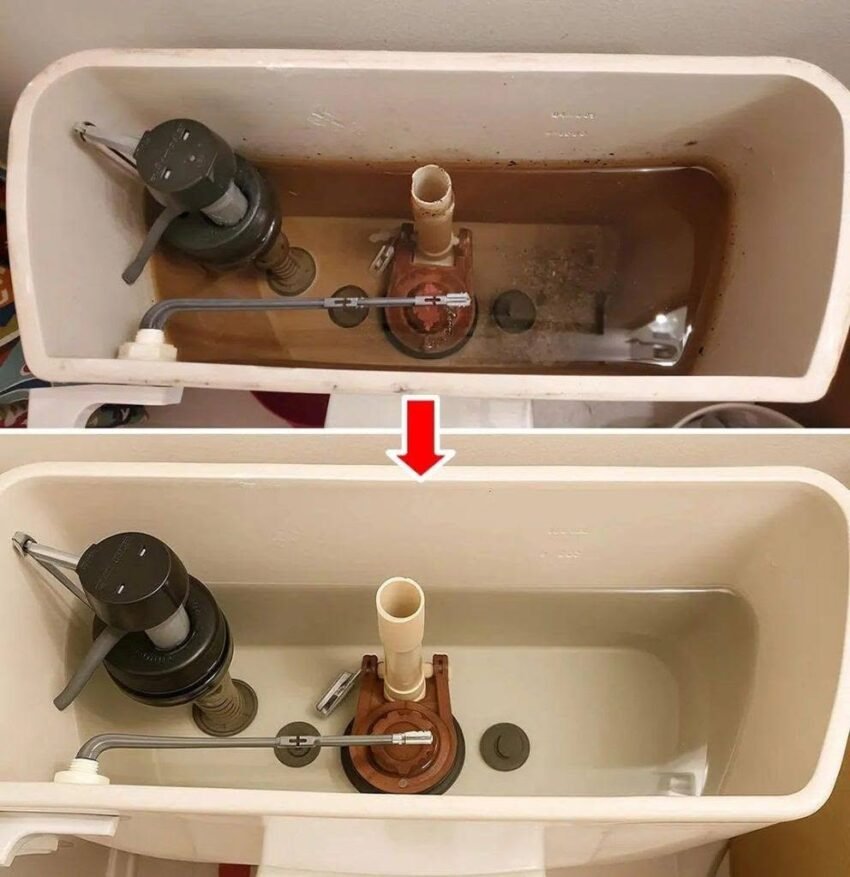
A toilet may look clean on the outside, but one of the most overlooked areas is the flush system and the inside of the toilet tank. Over time, hard water deposits, mineral buildup, mold, and bacteria can accumulate, reducing flushing performance and causing unpleasant odors.
The good news? With a few household cleaning supplies and a little time, you can restore your toilet’s flush system and make it look and work like new.
Why You Should Clean the Toilet Flush System
Most people regularly scrub the toilet bowl but forget about the tank and flush components. Ignoring these areas can lead to:
- Weak flushing power
- Mineral and limescale buildup
- Mold and mildew growth
- Rust stains
- Unpleasant odors
- Shortened lifespan of toilet parts
Cleaning the flush system every few months helps keep your toilet functioning efficiently.
What You’ll Need
Gather these supplies before you begin:
- Rubber gloves
- White vinegar
- Baking soda
- Toilet bowl cleaner
- Soft sponge or microfiber cloth
- Old toothbrush or small cleaning brush
- Spray bottle
- Warm water
- Disinfectant cleaner (optional)
Avoid using abrasive scrubbers that may damage toilet components.
Step 1: Turn Off the Water Supply
Locate the water shut-off valve behind the toilet and turn it clockwise until the water stops flowing.
Flush the toilet to empty most of the water from the tank.
If necessary, use a sponge or towel to remove any remaining water.
Step 2: Clean the Inside of the Tank
Over time, the tank collects mineral deposits and bacteria.
Fill the tank with enough white vinegar to cover stained areas and let it sit for one to two hours. For heavy buildup, you can leave it overnight.
Use a soft brush or sponge to gently scrub:
- Tank walls
- Corners
- Around the flush valve
- Under the rim of the tank
Avoid using bleach and vinegar together, as mixing cleaning chemicals can produce dangerous fumes.
Step 3: Clean the Flush Mechanism
Inspect the moving parts inside the tank, including:
- Flush valve
- Flapper
- Float
- Fill valve
- Handle chain
Use an old toothbrush dipped in vinegar to remove mineral deposits and grime from these components.
If any parts appear cracked, warped, or damaged, replacing them is often inexpensive and can improve flushing performance.
Step 4: Remove Mineral Deposits
Hard water can leave stubborn white or brown mineral deposits.
Sprinkle baking soda onto affected areas, then spray or pour vinegar over it.
Allow the fizzing reaction to work for 10–15 minutes before gently scrubbing.
Rinse thoroughly with clean water.
Step 5: Clean the Toilet Bowl
Apply toilet bowl cleaner under the rim and around the bowl.
Let it sit according to the product instructions before scrubbing thoroughly with a toilet brush.
Pay extra attention to:
- Under the rim
- Water line
- Siphon jets
- Bottom of the bowl
These hidden areas often collect bacteria and mineral buildup.
Step 6: Wipe the Exterior
Don’t forget the outside of the toilet.
Use a disinfectant or mild cleaner to wipe:
- Flush handle
- Tank lid
- Seat
- Lid
- Base
- Hinges
The flush handle is one of the most frequently touched surfaces in the bathroom and should be cleaned regularly.
Step 7: Restore the Water Supply
Turn the water valve back on and allow the tank to refill.
Flush several times to rinse away any remaining cleaner and check that everything is working properly.
A stronger, smoother flush is often noticeable immediately after cleaning.
Tips to Keep Your Toilet Looking Like New
To prevent future buildup:
- Clean the toilet bowl at least once a week.
- Wipe the flush handle daily during routine bathroom cleaning.
- Clean inside the tank every 3–6 months.
- Use a water softener if you have hard water.
- Fix leaking toilets promptly to prevent mineral deposits.
- Avoid flushing wipes, paper towels, or other non-flushable items.
Common Mistakes to Avoid
Many homeowners unknowingly damage their toilets by making these mistakes:
- Mixing bleach with vinegar or ammonia-based cleaners.
- Using steel wool or abrasive pads on porcelain.
- Ignoring mineral buildup inside the tank.
- Using excessive chemical tablets that may damage rubber components.
- Forgetting to clean under the toilet rim.
A gentle but consistent cleaning routine is usually the most effective.
Final Thoughts
Keeping your toilet flush system clean isn’t just about appearance—it’s also important for hygiene and efficient performance. By cleaning the tank, flush mechanism, bowl, and exterior regularly, you can prevent odors, reduce mineral buildup, and help your toilet last longer.
With just a few inexpensive household supplies and about 30 minutes of effort, you can restore your toilet’s flushing power and keep it looking fresh and spotless for months to come.