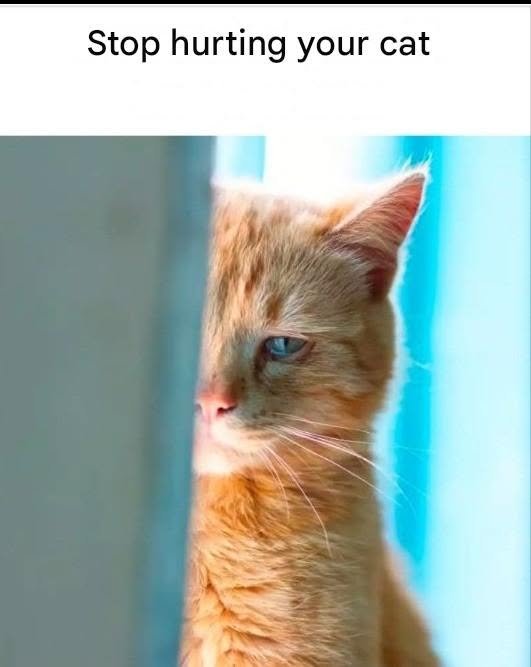
Cats may have a reputation for being independent, but they are also sensitive, intelligent animals capable of forming deep emotional bonds with their human companions. While they may not express their feelings as openly as dogs, cats can experience stress, fear, anxiety, and even sadness when their environment or routine changes.
Understanding what negatively affects your cat’s emotional well-being can help you create a happier, healthier home for your feline friend.
Here are 16 common things that may harm your cat emotionally—and what you can do instead.
1. Ignoring Your Cat
Although cats enjoy alone time, they still crave attention and interaction.
Consistently ignoring your cat can lead to boredom, loneliness, and behavioral changes such as excessive meowing or destructive scratching.
What to do: Spend a few minutes each day playing, grooming, or simply sitting with your cat.
2. Sudden Changes in Routine
Cats thrive on predictability.
Abrupt changes in feeding times, sleeping schedules, or household routines can create stress.
Tip: Introduce changes gradually whenever possible.
3. Yelling or Punishment
Cats do not understand punishment the way humans expect.
Shouting, hitting, or spraying water can make your cat fearful and damage your relationship.
Better approach: Reward desired behaviors and redirect unwanted ones.
4. Loud Noises
Fireworks, vacuum cleaners, thunderstorms, and loud music can frighten many cats.
Repeated exposure may contribute to chronic stress.
Help your cat by:
- Providing a quiet hiding place
- Closing windows during fireworks
- Playing soft background sounds if appropriate
5. Lack of Mental Stimulation
Indoor cats need opportunities to explore, hunt, and play.
Without enrichment, they may become bored or frustrated.
Provide:
- Puzzle feeders
- Cat trees
- Scratching posts
- Interactive toys
6. Dirty Litter Boxes
Cats are naturally clean animals.
A dirty litter box may cause stress and even lead some cats to avoid using it.
Clean the litter box daily and replace litter regularly.
7. Forcing Physical Affection
Not every cat enjoys being held or cuddled.
Forcing interaction can increase anxiety and reduce trust.
Allow your cat to approach you on its own terms.
8. Long Periods Alone
Some cats become lonely when left alone for extended periods, especially if they are closely bonded to their owners.
Consider interactive toys, window perches, or, in some cases, another compatible pet if appropriate.
9. Introducing New Pets Too Quickly
A sudden introduction to another cat or dog can feel threatening.
Proper introductions should happen gradually over days or weeks.
10. Frequent Moves or Environmental Changes
Moving furniture, relocating to a new home, or constant household changes may disrupt your cat’s sense of security.
Maintain familiar bedding, toys, and scents to help your cat adjust.
11. Lack of Safe Hiding Places
Cats feel safer when they have quiet spaces to retreat.
Provide:
- Covered beds
- Cat caves
- Elevated shelves
- Boxes
These areas allow cats to relax when they feel overwhelmed.
12. Strong Scents
Cats have an excellent sense of smell.
Strong perfumes, air fresheners, cigarette smoke, and harsh cleaning products may be unpleasant or stressful.
Use pet-safe cleaning products whenever possible.
13. Inconsistent Feeding Schedule
Cats often feel more secure when meals arrive at predictable times.
Irregular feeding schedules may contribute to anxiety.
Feed your cat on a consistent routine whenever possible.
14. Lack of Vertical Space
Cats naturally enjoy climbing and observing their surroundings from above.
Without elevated resting places, some cats may feel less secure.
Cat trees and wall-mounted shelves can help satisfy this instinct.
15. Pain or Untreated Illness
Physical discomfort often affects emotional well-being.
A cat experiencing pain may become withdrawn, aggressive, or stop eating.
If your cat suddenly changes behavior, schedule a veterinary examination.
16. Stress in the Household
Cats are remarkably sensitive to human emotions and household tension.
Arguments, frequent visitors, construction noise, or chaotic environments may increase anxiety in some cats.
Creating a calm, predictable home benefits both pets and people.
Signs Your Cat May Be Emotionally Stressed
Watch for changes such as:
- Hiding more often
- Excessive grooming
- Loss of appetite
- Increased aggression
- Litter box problems
- Excessive vocalization
- Sleeping much more or less than usual
- Reduced interest in play
If these behaviors persist, consult a veterinarian to rule out medical conditions before assuming stress is the cause.
How to Help Your Cat Feel Safe and Happy
Supporting your cat’s emotional health doesn’t require expensive equipment.
Simple habits can make a big difference:
- Keep a regular daily routine.
- Provide interactive play sessions.
- Offer safe hiding spots and climbing areas.
- Keep the litter box clean.
- Respect your cat’s boundaries.
- Schedule regular veterinary checkups.
- Use positive reinforcement instead of punishment.
- Spend quality time together every day.
Final Thoughts
Cats may not express emotions the same way humans do, but they are deeply affected by their surroundings and daily experiences. By understanding what causes stress and responding with patience and care, you can strengthen your bond and improve your cat’s quality of life.
A happy cat is one that feels safe, respected, mentally stimulated, and loved. Paying attention to your cat’s emotional needs is just as important as providing nutritious food, clean water, and regular veterinary care.
Disclaimer: This article is for educational purposes only. If your cat shows sudden or persistent changes in behavior, appetite, or activity, consult a licensed veterinarian to rule out underlying medical conditions.