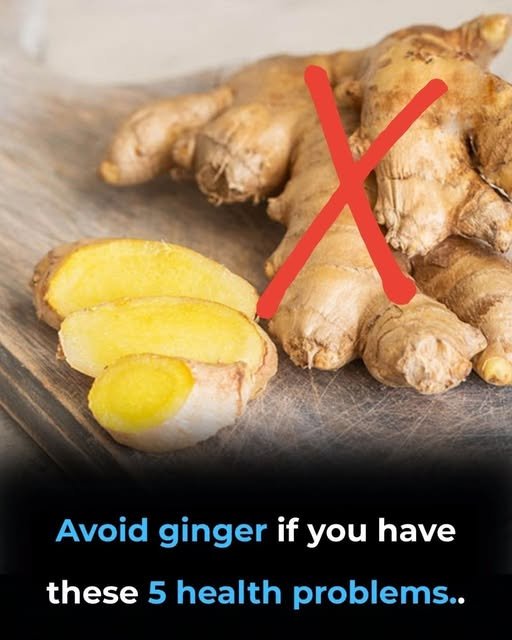
For centuries, ginger has been valued as both a flavorful spice and a traditional herbal remedy. Today, modern research continues to explore its potential health benefits, particularly for digestion, nausea, and inflammation. While ginger is not a cure-all, consuming it regularly as part of a balanced diet may support overall health in several ways.
Here’s what doctors and nutrition experts say about the potential effects of adding ginger to your daily routine.
What Is Ginger?
Ginger is the underground stem (rhizome) of the Zingiber officinale plant. It contains natural compounds such as gingerol and shogaol, which are responsible for its distinctive flavor and many of its biological properties.
It can be enjoyed fresh, dried, powdered, pickled, or brewed into tea.
1. It May Help Relieve Nausea
One of ginger’s best-supported health benefits is its ability to help reduce nausea.
Research suggests it may be helpful for:
- Morning sickness during pregnancy (under medical guidance)
- Motion sickness in some people
- Nausea after surgery
- Certain types of nausea related to medical treatments
Although ginger can be effective, it should not replace prescribed anti-nausea medications unless advised by a healthcare provider.
2. It May Support Healthy Digestion
Many people drink ginger tea after meals because it may help promote normal digestion.
Some studies suggest ginger can:
- Encourage stomach emptying
- Reduce feelings of bloating
- Ease mild indigestion
- Help relieve gas in some individuals
These effects may contribute to greater digestive comfort.
3. It Has Natural Anti-Inflammatory Properties
Ginger contains plant compounds that may help reduce inflammation in the body.
Some people with conditions such as osteoarthritis report modest improvements in joint discomfort when ginger is included as part of their overall treatment plan.
However, ginger should not replace medications recommended by your healthcare provider.
4. It May Support Heart Health
Some research suggests ginger may contribute to heart health by supporting:
- Healthy cholesterol levels
- Normal blood vessel function
- Healthy blood pressure as part of an overall healthy lifestyle
More high-quality human studies are needed, and ginger should not be viewed as a substitute for prescribed cardiovascular treatments.
5. It May Help with Blood Sugar Management
Some small studies suggest ginger may support blood sugar control in people with type 2 diabetes.
However, the evidence is still limited, and ginger should not replace diabetes medications, insulin, or medical advice.
If you have diabetes, monitor your blood sugar as recommended and consult your healthcare provider before using ginger supplements.
6. It Provides Antioxidants
Ginger contains antioxidants that help protect cells from oxidative stress caused by unstable molecules known as free radicals.
A diet rich in antioxidant-containing foods—including fruits, vegetables, herbs, and spices—supports overall health.
7. It May Ease Menstrual Discomfort
Some studies have found that ginger may help reduce menstrual cramps when taken during the first few days of a menstrual period.
For some individuals, its effectiveness appears comparable to certain over-the-counter pain relievers, although results vary.
Easy Ways to Add Ginger to Your Diet
You can enjoy ginger in many forms, including:
- Fresh ginger tea
- Stir-fries
- Soups
- Smoothies
- Curries
- Marinades
- Fresh juices
- Oatmeal or baked goods
Fresh ginger typically provides the strongest flavor, while ground ginger is convenient for cooking and baking.
Are There Any Risks?
For most people, consuming ginger in moderate amounts as part of food is considered safe.
However, large amounts may cause:
- Heartburn
- Stomach upset
- Diarrhea
- Mouth irritation
Ginger may also interact with certain medications, including blood thinners and some diabetes medications. Speak with your healthcare provider before taking ginger supplements, especially if you are pregnant, have gallstones, or take prescription medicines.
Final Thoughts
Ginger is a flavorful spice with a long history of traditional use and growing scientific support for several health benefits. Regular consumption may help relieve nausea, support digestion, provide antioxidants, and contribute to overall well-being. However, it is not a miracle cure and should be viewed as one part of a healthy lifestyle that includes a balanced diet, regular physical activity, and appropriate medical care.
If you have a chronic health condition or are considering ginger supplements for therapeutic purposes, consult your healthcare provider to determine what is safe and appropriate for your individual needs.
Disclaimer: This article is for informational purposes only and should not be considered medical advice. Always consult a qualified healthcare professional before making significant changes to your diet or using herbal supplements for medical purposes.