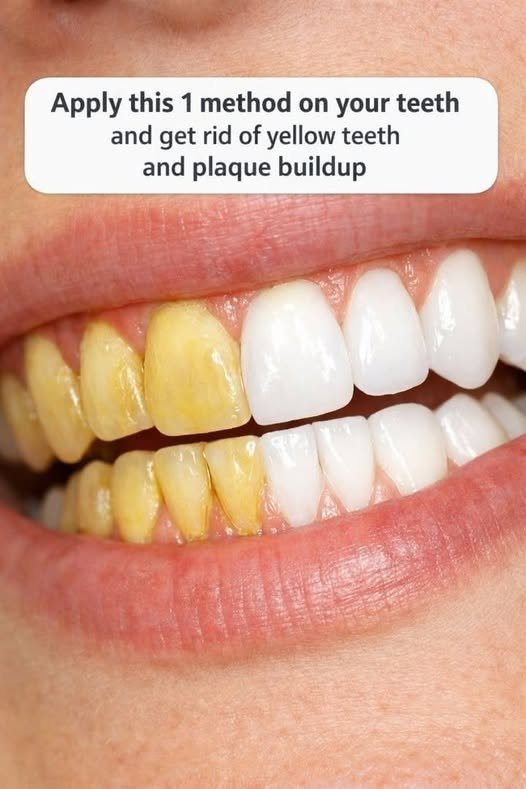
A healthy smile is about much more than appearance—it plays an important role in your overall well-being. Good oral hygiene helps protect your teeth and gums, freshens your breath, and may even lower the risk of certain health problems linked to poor dental health. One of the biggest challenges many people face is plaque buildup, a sticky film of bacteria that constantly forms on the teeth.
While plaque is normal, allowing it to accumulate can lead to cavities, gum disease, bad breath, and eventually tooth loss if left untreated. Fortunately, maintaining a healthy mouth doesn’t require expensive treatments or complicated routines. A few simple habits, practiced consistently, can make a significant difference.
In this article, we’ll explore an easy dental care method that may help reduce plaque buildup, explain why plaque forms, and share additional tips to keep your smile healthy for years to come.
What Is Plaque?
Plaque is a soft, sticky layer of bacteria that develops on your teeth throughout the day. Every time you eat or drink, especially sugary or starchy foods, bacteria feed on leftover particles in your mouth. As they digest these sugars, they produce acids that attack tooth enamel.
If plaque isn’t removed through regular brushing and flossing, it can harden into tartar (also called calculus), which cannot be removed with a toothbrush alone. Tartar creates an even rougher surface where more bacteria can collect, increasing the risk of gum disease.
Why Plaque Is a Problem
Ignoring plaque buildup can lead to several oral health issues, including:
- Tooth decay and cavities
- Inflamed, bleeding gums (gingivitis)
- Persistent bad breath
- Gum disease (periodontitis)
- Tooth sensitivity
- Tooth loss in severe cases
Research has also found links between poor oral health and conditions such as heart disease, diabetes, and respiratory infections, making oral hygiene an important part of overall health.
A Simple Dental Care Method That May Help
One of the easiest and most effective methods for reducing plaque is following a consistent brushing routine using proper technique.
Step 1: Brush Twice Daily
Brush your teeth every morning and before bedtime using a soft-bristled toothbrush and fluoride toothpaste.
Spend at least two minutes brushing, making sure to clean:
- Front surfaces
- Back surfaces
- Chewing surfaces
- Along the gumline
Hold the toothbrush at about a 45-degree angle toward the gums and use gentle circular motions rather than scrubbing aggressively.
Step 2: Clean Between Your Teeth
Your toothbrush cannot reach every area.
Floss once a day or use interdental brushes to remove plaque and food particles trapped between teeth.
This simple habit can significantly reduce the bacteria that contribute to gum disease.
Step 3: Brush Your Tongue
Many odor-causing bacteria live on the tongue.
Gently brushing or scraping your tongue each day can:
- Improve breath
- Reduce bacteria
- Support better overall oral hygiene
Step 4: Rinse With Water After Meals
If brushing isn’t possible after eating, rinsing your mouth with water can help wash away food particles and dilute acids until you can brush properly.
Should You Use Mouthwash?
An antibacterial or fluoride mouthwash can be a helpful addition to your oral care routine.
Depending on the product, mouthwash may help:
- Reduce bacteria
- Freshen breath
- Strengthen enamel
- Lower the risk of cavities
However, mouthwash should complement brushing and flossing—not replace them.
Foods That Support Oral Health
Your diet also affects plaque formation.
Foods that may help keep your mouth healthier include:
Crunchy Fruits and Vegetables
Apples, carrots, and celery stimulate saliva production and help clean tooth surfaces naturally.
Dairy Products
Milk, cheese, and yogurt provide calcium and phosphorus that help strengthen teeth.
Leafy Greens
Spinach and kale are rich in vitamins and minerals that support healthy gums.
Nuts
Many nuts provide minerals that support tooth enamel.
Water
Drinking water throughout the day helps rinse away bacteria and food debris.
Foods That Encourage Plaque Buildup
Try to limit:
- Sugary drinks
- Candy
- Sticky sweets
- Frequent snacking
- Refined carbohydrates
- Sweetened coffee and tea
The longer sugar remains on your teeth, the more opportunity bacteria have to produce harmful acids.
Replace Your Toothbrush Regularly
Dentists recommend replacing your toothbrush or electric toothbrush head approximately every three to four months, or sooner if the bristles become frayed.
A worn toothbrush simply doesn’t clean as effectively.
Don’t Forget Regular Dental Checkups
Even excellent brushing habits can’t remove hardened tartar.
Professional cleanings allow your dentist or dental hygienist to:
- Remove tartar
- Check for cavities
- Identify early gum disease
- Detect oral health problems before they become serious
Most people benefit from dental checkups every six months, although your dentist may recommend a different schedule based on your needs.
Common Mistakes That Increase Plaque
Many people unintentionally make oral care mistakes such as:
- Brushing too quickly
- Skipping nighttime brushing
- Forgetting to floss
- Using excessive brushing force
- Keeping an old toothbrush too long
- Eating sugary snacks frequently throughout the day
Correcting these habits can greatly improve oral health over time.
Can Natural Remedies Remove Plaque?
Some home remedies are often promoted online, including baking soda, coconut oil pulling, and herbal rinses. While a few may offer limited benefits for oral hygiene, there is not enough strong scientific evidence to show they can replace brushing with fluoride toothpaste, flossing, or professional dental care.
If you’re interested in trying natural remedies, it’s best to discuss them with your dentist first.
Final Thoughts
Reducing plaque buildup doesn’t require complicated treatments—it starts with simple, consistent habits. Brushing twice a day with fluoride toothpaste, flossing daily, cleaning your tongue, drinking plenty of water, eating a balanced diet, and visiting your dentist regularly can all help maintain a healthier mouth.
Remember that plaque forms every day, so consistency is far more important than occasional deep cleaning. By taking just a few minutes each day to care for your teeth, you can lower your risk of cavities, gum disease, and other oral health problems while keeping your smile looking and feeling its best.
Disclaimer: This article is for informational purposes only and should not be considered medical or dental advice. If you have persistent tooth pain, bleeding gums, loose teeth, or other oral health concerns, consult a qualified dentist for evaluation and treatment.