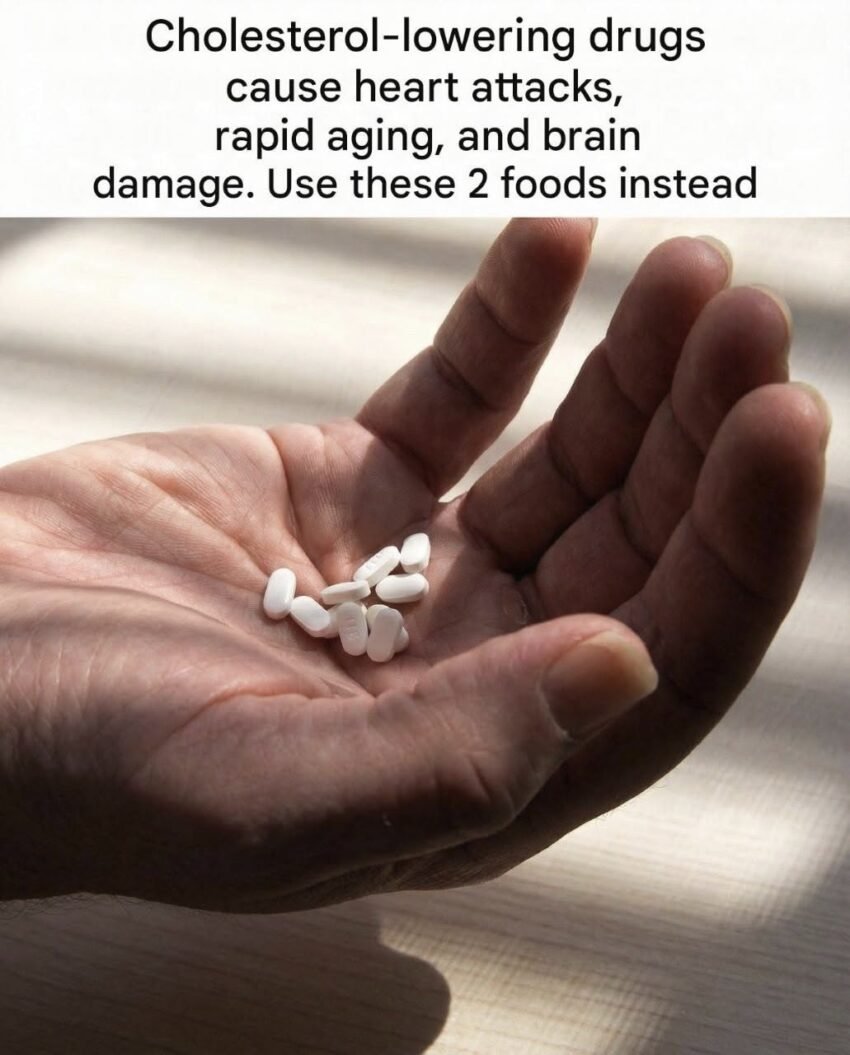
However, these claims are not supported by the best available scientific evidence. In fact, for many people at high risk of cardiovascular disease, cholesterol-lowering medications—particularly statins—have been shown to reduce the risk of heart attacks and strokes.
If you’re concerned about your cholesterol or the medications you take, it’s important to separate myths from facts and understand the role that healthy eating plays alongside medical treatment.
Do Cholesterol-Lowering Medications Cause Heart Attacks?
No reliable evidence shows that cholesterol-lowering medications generally cause heart attacks. On the contrary, numerous large clinical studies have found that statins and certain other cholesterol-lowering medicines can lower the risk of heart attack, stroke, and cardiovascular death in people who have high cholesterol or are at increased risk of heart disease.
Like all medications, they can have side effects, but for many patients, the benefits outweigh the risks. Whether a medication is appropriate depends on an individual’s medical history, cholesterol levels, age, and overall cardiovascular risk.
What About Brain Damage or Rapid Aging?
Claims that cholesterol-lowering drugs routinely cause brain damage or accelerate aging are not supported by strong scientific evidence.
Some people may experience side effects such as muscle aches or digestive discomfort, and a small number report memory-related symptoms while taking certain medications. If these occur, they should be discussed with a healthcare professional, who can determine whether the medication, dosage, or another factor may be responsible.
Never stop taking a prescribed cholesterol medication without first speaking with your healthcare provider, as doing so could increase your risk of serious cardiovascular events.
Can Food Help Lower Cholesterol?
Yes. A heart-healthy diet is one of the most effective lifestyle strategies for improving cholesterol levels and supporting cardiovascular health. For some people, dietary changes may be enough. For others—especially those with existing heart disease, diabetes, or very high cholesterol—healthy eating works alongside medication rather than replacing it.
Here are two foods with evidence supporting their role in heart health.
1. Oats
Oats are rich in beta-glucan, a type of soluble fiber that can help reduce LDL (“bad”) cholesterol by limiting the amount of cholesterol absorbed in the digestive tract.
Easy ways to enjoy oats include:
- A bowl of oatmeal for breakfast
- Overnight oats
- Adding oats to smoothies
- Mixing oats into homemade muffins or pancakes
Regularly eating soluble fiber as part of a balanced diet may contribute to healthier cholesterol levels.
2. Nuts
Almonds, walnuts, pistachios, and other unsalted nuts provide healthy unsaturated fats, fiber, and plant compounds that support heart health.
Research suggests that moderate portions of nuts may help improve cholesterol levels when they replace less healthy snacks or foods high in saturated fat.
Because nuts are calorie-dense, enjoy them in reasonable portions as part of an overall balanced diet.
Additional Lifestyle Habits That Support Healthy Cholesterol
In addition to eating heart-healthy foods, consider these habits:
- Eat plenty of fruits and vegetables.
- Choose whole grains over refined grains.
- Include beans, lentils, and other legumes regularly.
- Replace saturated fats with healthier unsaturated fats when possible.
- Exercise regularly, according to your healthcare provider’s advice.
- Avoid smoking.
- Maintain a healthy weight.
- Limit foods high in trans fats and highly processed ingredients.
When Should You Talk to Your Doctor?
If you’re experiencing possible side effects from a cholesterol-lowering medication, don’t ignore them—but don’t stop the medication on your own either.
Your healthcare provider may recommend:
- Adjusting the dose.
- Switching to a different cholesterol-lowering medication.
- Evaluating other possible causes of your symptoms.
- Discussing additional lifestyle changes that can support your treatment plan.
Final Thoughts
Claims that cholesterol-lowering drugs cause heart attacks, rapid aging, or brain damage are not supported by current scientific evidence. For many people, these medications play an important role in reducing the risk of serious cardiovascular disease.
At the same time, a heart-healthy lifestyle—including foods such as oats and nuts, regular physical activity, and avoiding smoking—can make a meaningful difference in cholesterol levels and overall health. The most effective treatment plan is often a combination of healthy habits and, when appropriate, medication prescribed by a qualified healthcare professional.