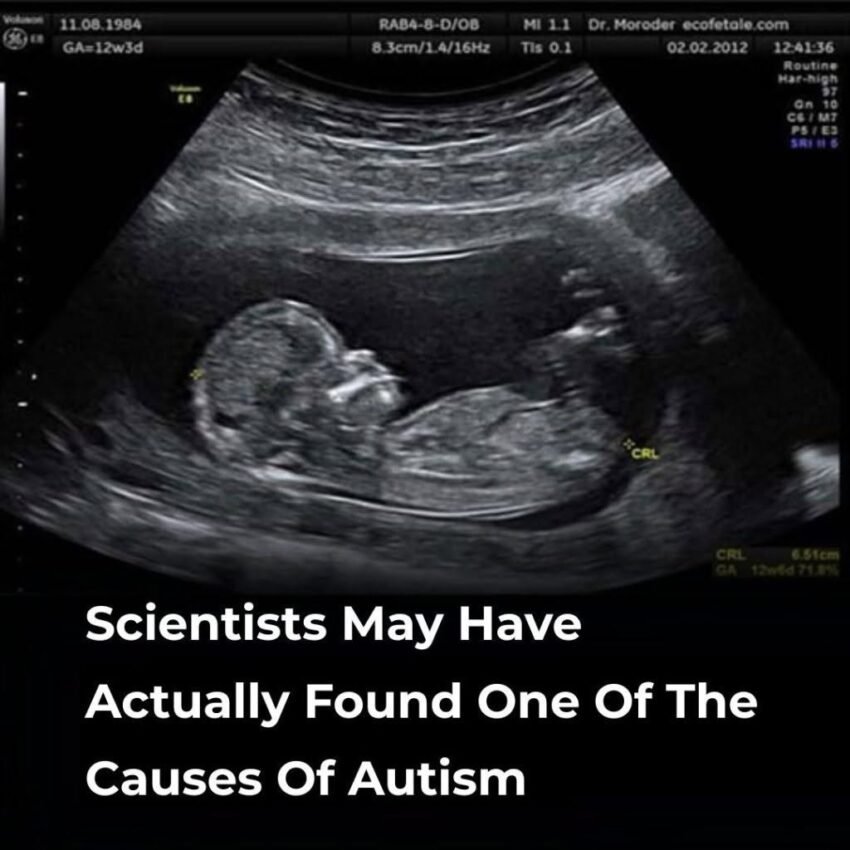
Autism spectrum disorder (ASD) is a complex neurodevelopmental condition that affects how people communicate, interact socially, and process the world around them. As researchers continue to investigate the many factors that may influence autism, one area receiving growing attention is the role of the maternal gut microbiome—the community of bacteria and other microorganisms that naturally live in the digestive tract.
Recent studies have explored whether a mother’s gut health during pregnancy could influence fetal brain development. While the research is intriguing, it’s important to understand that scientists have not established that maternal gut health causes autism. Instead, this is an active area of research aimed at better understanding the many biological and environmental factors that may contribute to neurodevelopment.
What Is the Gut Microbiome?
The gut microbiome consists of trillions of microorganisms, including bacteria, viruses, and fungi, that live primarily in the intestines. These microbes play important roles in:
- Digesting certain foods
- Producing some vitamins
- Supporting the immune system
- Helping maintain the intestinal barrier
- Communicating with other organs through what researchers call the “gut-brain axis”
During pregnancy, the mother’s health—including nutrition, immune function, and metabolism—helps create the environment in which the baby develops.
Why Are Researchers Interested in Maternal Gut Health?
Scientists are studying whether changes in the maternal microbiome might influence pregnancy through effects on inflammation, immune signaling, or metabolic processes. These factors could, in theory, affect fetal development.
Much of the early evidence comes from laboratory and animal studies, where researchers can carefully control variables. Some of these studies have found associations between changes in maternal gut bacteria and differences in offspring brain development.
However, results from animal studies cannot automatically be applied to humans.
Does Maternal Gut Health Cause Autism?
At this time, there is no scientific evidence proving that poor maternal gut health causes autism.
Autism is believed to result from a combination of factors, including:
- Genetics, which play a major role
- Prenatal developmental processes
- Environmental influences that are still being studied
- Interactions between genes and the environment
The maternal microbiome is considered one possible factor among many that researchers are investigating—not a proven cause.
Why Is Autism So Complex?
No single explanation accounts for every case of autism.
Researchers believe autism develops through a combination of influences that vary from one individual to another. Even siblings with similar genetics can have different developmental outcomes, highlighting the complexity of the condition.
This is why scientists continue to study many areas simultaneously, including genetics, prenatal development, environmental exposures, immune function, and the microbiome.
Supporting Gut Health During Pregnancy
Although improving gut health has not been shown to prevent autism, maintaining overall health during pregnancy is beneficial for both mother and baby.
Healthcare providers generally recommend:
- Eating a balanced diet rich in fruits, vegetables, whole grains, legumes, and other fiber-rich foods.
- Including fermented foods, if appropriate and safe, as part of a varied diet.
- Staying physically active according to medical advice.
- Getting adequate sleep.
- Managing chronic health conditions with medical guidance.
- Attending regular prenatal appointments.
- Taking prenatal vitamins as recommended.
Any dietary supplements, probiotics, or herbal products should be discussed with a healthcare provider before use during pregnancy.
Why Accurate Information Matters
Because autism research is evolving, headlines can sometimes oversimplify early findings or suggest cause-and-effect relationships that have not been proven.
It’s important to distinguish between:
- Association: Two factors are observed together.
- Causation: One factor has been shown to directly cause the other.
Many studies identify associations that require years of additional research before firm conclusions can be drawn.
Looking Ahead
Research into the gut microbiome is advancing rapidly, and scientists continue to investigate how maternal health may influence pregnancy and child development. Future studies may improve our understanding of the biological pathways involved and potentially lead to new strategies for supporting healthy pregnancies.
However, much remains unknown, and no current evidence supports blaming a mother’s gut health as the cause of autism.
Final Thoughts
The relationship between maternal gut health and autism is an exciting area of scientific research, but it is still in its early stages. Current evidence does not show that maternal gut health causes autism or that changing the gut microbiome can prevent it.
For now, the best approach during pregnancy is to focus on overall health through balanced nutrition, regular prenatal care, appropriate physical activity, and guidance from qualified healthcare professionals. As research continues, scientists hope to gain a deeper understanding of the many factors that contribute to healthy fetal development and neurodevelopmental conditions like autism.