Healthy joints are essential for nearly every movement you make—from getting out of bed in the morning to walking, climbing stairs, carrying groceries, and enjoying your favorite hobbies. Yet many people don’t think about joint health until stiffness, aches, or reduced mobility begin to interfere with daily life.
The good news? While you can’t completely stop the natural aging process, there are many evidence-based habits that can help support healthy joints, reduce unnecessary strain, and keep you moving comfortably for years to come.
Here’s what experts recommend.
Understanding Your Joints
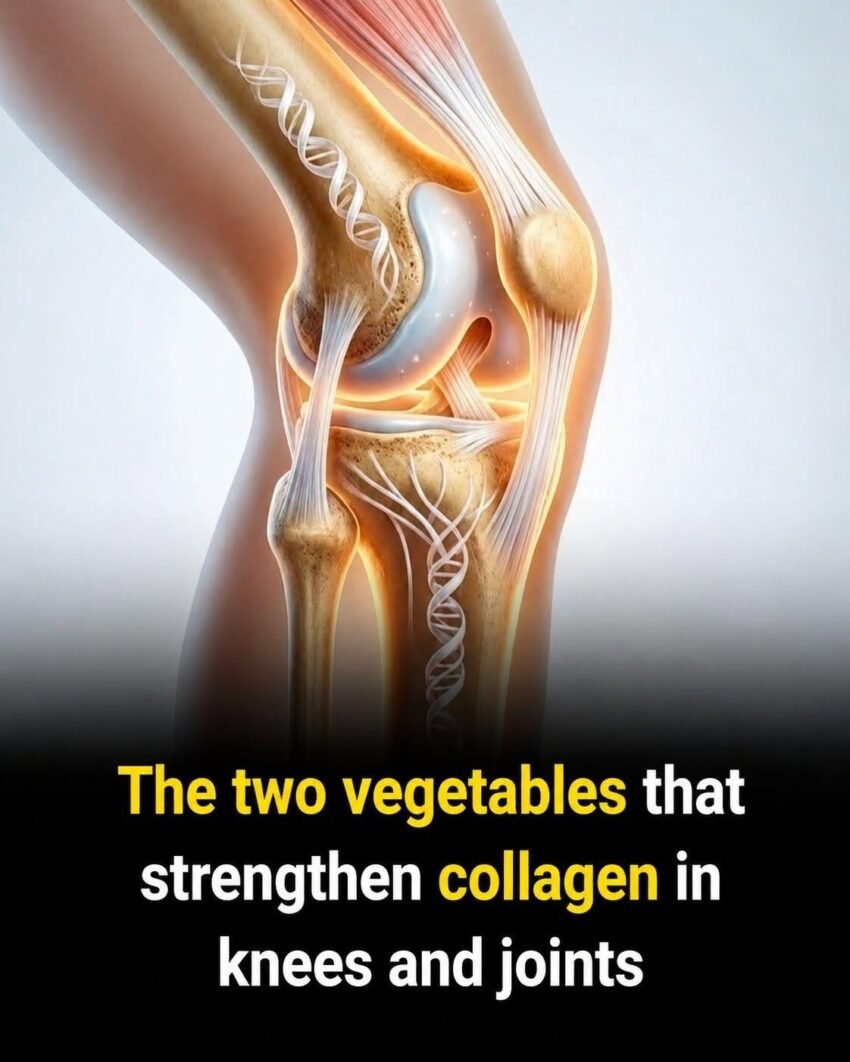
A joint is the place where two or more bones meet. Your joints are designed to provide both stability and movement.
Healthy joints include:
- Smooth cartilage that cushions bones
- Synovial fluid that lubricates movement
- Strong ligaments that hold bones together
- Muscles and tendons that support movement
When any of these structures become damaged or worn, stiffness and discomfort may develop.
1. Keep Moving Every Day
One of the biggest myths about joint pain is that you should avoid movement.
In reality, regular physical activity is one of the best ways to maintain healthy joints.
Movement helps:
- Keep joints flexible
- Strengthen surrounding muscles
- Improve circulation
- Reduce stiffness
- Support balance and coordination
Excellent low-impact exercises include:
- Walking
- Swimming
- Water aerobics
- Cycling
- Yoga
- Tai Chi
Aim for at least 150 minutes of moderate exercise each week, or follow your healthcare provider’s recommendations based on your health.
2. Maintain a Healthy Weight
Your knees, hips, ankles, and lower back support your body weight every day.
Even a small amount of excess weight increases the pressure placed on these joints.
Research suggests that losing weight, when appropriate, can reduce stress on weight-bearing joints and improve mobility in many people.
Maintaining a healthy weight also lowers the risk of developing osteoarthritis.
3. Eat Foods That Support Overall Joint Health
No single food can prevent joint disease, but a balanced diet provides nutrients your body needs to maintain healthy bones, muscles, and connective tissues.
Consider including:
Fatty Fish
Fish like salmon, sardines, trout, and mackerel contain omega-3 fatty acids, which may help support overall health.
Colorful Fruits
Berries, oranges, cherries, grapes, and citrus fruits provide vitamins and antioxidants.
Leafy Green Vegetables
Spinach, kale, broccoli, and Swiss chard contain vitamins and minerals important for overall health.
Nuts and Seeds
Walnuts, almonds, chia seeds, and flaxseeds provide healthy fats and nutrients.
Whole Grains
Brown rice, oats, quinoa, and whole wheat products provide fiber and support overall wellness.
Lean Protein
Chicken, beans, lentils, eggs, tofu, and yogurt help maintain muscle strength, which supports your joints.
4. Build Strong Muscles
Muscles act like natural shock absorbers.
Weak muscles force joints to absorb more stress during everyday activities.
Strength training can:
- Improve balance
- Increase stability
- Reduce the risk of falls
- Support healthy movement
You don’t need heavy weights.
Resistance bands, bodyweight exercises, or light dumbbells performed two to three times a week can be effective.
5. Stretch to Stay Flexible
Tight muscles can limit movement and place extra stress on joints.
Simple stretching can:
- Improve flexibility
- Reduce stiffness
- Increase range of motion
- Improve posture
Stretch gently after warming up or after exercise, avoiding any movement that causes sharp pain.
6. Stay Hydrated
Water plays an important role in your body’s normal functions, including maintaining healthy tissues.
While drinking extra water won’t cure joint pain, staying hydrated supports overall health and may help your body function at its best.
Aim to drink fluids regularly throughout the day, especially during hot weather or after exercise.
7. Choose Supportive Footwear
Your feet form the foundation of your body’s movement.
Poorly fitting or worn-out shoes can affect your ankles, knees, hips, and even your back.
Look for shoes that provide:
- Good arch support
- Proper cushioning
- A secure fit
- Non-slip soles
Replace athletic shoes once they become excessively worn.
8. Protect Your Joints During Daily Activities
Simple habits can reduce unnecessary wear and tear.
Try to:
- Lift heavy objects with your legs instead of your back.
- Avoid repetitive motions without taking breaks.
- Maintain good posture when sitting and standing.
- Alternate tasks to avoid overusing the same joints.
- Use ergonomic tools if you spend long hours working at a desk.
Small adjustments can make a significant difference over time.
9. Get Enough Sleep
Your body repairs and restores tissues while you sleep.
Poor sleep can also make pain feel more intense and reduce your ability to cope with discomfort.
Most adults should aim for 7 to 9 hours of quality sleep each night.
Good sleep habits include:
- Keeping a consistent bedtime
- Limiting screen time before bed
- Creating a cool, dark sleeping environment
10. Don’t Ignore Persistent Joint Pain
Occasional aches after exercise are normal.
However, pain that lasts for weeks or interferes with daily activities deserves medical attention.
Consult a healthcare professional if you notice:
- Persistent swelling
- Redness or warmth around a joint
- Difficulty walking
- Limited range of motion
- Severe pain
- Joint pain following an injury
- Fever along with joint swelling
Early diagnosis can help identify the underlying cause and improve treatment outcomes.
Can Supplements Help?
Many supplements are marketed for joint health, including glucosamine, chondroitin, collagen, and turmeric.
While some people report symptom relief, research results are mixed, and supplements are not a substitute for medical treatment or a healthy lifestyle.
Always consult your healthcare provider before starting any new supplement, especially if you take prescription medications.
The Bottom Line
Healthy joints are the result of consistent daily care—not quick fixes. Regular exercise, a nutritious diet, maintaining a healthy weight, strengthening your muscles, staying hydrated, getting enough sleep, and protecting your joints during everyday activities can all contribute to better mobility and long-term joint health.
By making these simple habits part of your routine today, you can help support your joints and enjoy a more active, comfortable lifestyle in the years ahead. Remember, if you experience ongoing joint pain, swelling, or loss of function, it’s important to seek medical advice for an accurate diagnosis and appropriate treatment.